How to Clean a Ninja Coffee Maker: A Step-by-Step Guide
Learn a practical, safe method to clean your Ninja coffee maker, including descaling, carafe care, and routine maintenance to preserve flavor, efficiency, and appliance longevity.


With this guide, you’ll clean a Ninja coffee maker quickly and safely to restore flavor and extend its life. You’ll learn how to disassemble removable parts, descale with vinegar or a descaler, and rinse thoroughly to prevent aftertaste. Following these steps routinely reduces mineral buildup and keeps your machine smelling fresh. No harsh chemicals are required; simple household items work well.
Why Cleaning a Ninja Coffee Maker Matters
Regular cleaning helps maintain flavor, extend the life of the machine, and prevent mineral buildup that can clog the brewing path. A routine to clean a ninja coffee maker is straightforward and quick. According to Cleaning Tips, regular maintenance reduces mineral buildup and keeps your coffee tasting consistent. The Cleaning Tips team notes that routine descaling helps preserve performance and aroma. Ninja machines accumulate mineral deposits from hard water, which can affect extraction temperature and brew strength over time. By cleaning on a predictable schedule, you preserve the appliance’s efficiency and avoid costly repairs. Remember: this is a low-effort maintenance task with a big payoff for daily coffee quality. You don’t need fancy equipment; basic kitchen supplies suffice.
What You Need Before You Start
Before you touch the machine, gather the essentials. The task uses common kitchen items, so you likely have most of them on hand. The Cleaning Tips team notes that having supplies ready minimizes interruptions and ensures you can complete the clean in one session. Prepare your Ninja coffee maker's water reservoir, carafe, filter basket, and lid detached from the base, plus a clean cloth for wiping and drying. Keep a measuring cup for vinegar or descaler solution and a soft brush for stubborn spots. Having these items at the ready reduces the risk of leaving parts damp or mid-clean.
What Makes Ninja Machines Unique When Cleaning
Ninja coffee makers share a compact, all-in-one design that keeps the water path and hot plate integrated in a way that differs from some other brands. When cleaning, avoid soaking the base or introducing water to the electrical housing. Detachable parts can be washed with mild soap and water, while the base should only be wiped with a damp cloth. The Cleaning Tips team highlights that following the model’s manual for disassembly avoids gasket damage and ensures you can access the brew path for a thorough rinse. Regular attention to the reservoir, carafe, and filter basket helps maintain consistent extraction temperature and flavor.
Step-by-Step Cleaning Process Overview and Best Practices
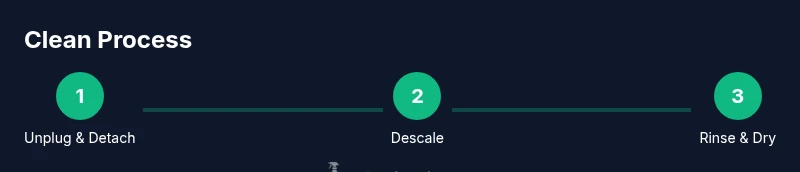
A clean Ninja coffee maker starts with safe disassembly, a proper cleaning solution, and thorough rinsing. Start by unplugging the unit and removing all removable parts. Use a mild soap, warm water, and a soft cloth to wipe the exterior, keeping electrical components dry. For descaling, a vinegar-and-water solution or a commercial descaler can be used, following label directions. Run a brew cycle with the cleaning solution, rinse with fresh water, and repeat if necessary. Always finish with a final water-only cycle to flush any remaining flavor from residues. This approach minimizes aroma carryover and preserves the machine’s performance. The process is simple enough for weekly upkeep and ensures coffee quality remains consistent.
Maintaining Your Ninja Coffee Maker Between Cleanings
To keep coffee tasting bright, perform a light rinse after daily use and do a deeper clean on a regular schedule. Empty and rinse the carafe and lid after each use, and wipe down the exterior to prevent oil buildup from coffee. If your water is hard, consider using a descaler more frequently to avoid mineral deposits in the brew path. Store the machine with parts dry and avoid leaving water sitting in the reservoir between uses. Regular quick cleans help prevent stubborn buildup and maintain brewing performance over time.
Troubleshooting Common Cleaning Challenges
If coffee tastes off after cleaning, it may indicate lingering residue. Run one or two additional rinse cycles with clean water and check that all parts are thoroughly dry before reassembly. If mineral buildup is stubborn, repeat the descaling step, and consider alternate descaler products recommended by the manufacturer. For leaks or unusual noises, inspect seals and gaskets for wear and ensure the carafe is properly seated. If you notice a persistent odor, air out the reservoir with the cap removed for a few minutes before use.
Tools & Materials
- Ninja coffee maker removable parts (carafe, lid, filter basket, and reservoir cap)(Detach from the base before cleaning.)
- Mild dish soap or liquid cleanser(Use a non-abrasive soap to avoid scratching.)
- White vinegar or commercial descaler(Dilute vinegar 1:1 with water for descaling.)
- Warm water(For rinsing and soaking.)
- Soft sponge or microfiber cloth(Gentle cleaning surface to prevent scratches.)
- Bottle brush or small brush(Useful for interior reservoir cleaning.)
- Measuring cup(For mixing descaler solutions.)
- Drying towel or air-drying space(Dry all parts thoroughly before reassembly.)
Steps
Estimated time: 25-40 minutes
- 1
Unplug and remove removable parts
Unplug the unit and detach the carafe, filter basket, lid, and any reservoirs. Rinse each part under warm water to remove loose residue, and place them on a clean towel to air-dry. This step prevents electrical hazards and makes parts accessible for cleaning.
Tip: Never submerge the base; keep electronics dry. - 2
Prepare cleaning solution
Choose either a 1:1 vinegar-to-water solution or a manufacturer-recommended descaler. If using vinegar, mix in a clean measuring cup and pour into the reservoir. Avoid using straight vinegar on metal parts and always dilute.
Tip: Dilute vinegar properly and avoid mixing with bleach. - 3
Descale the appliance
Pour the cleaning solution into the reservoir and run a brew cycle without coffee. If your model has a cleaning cycle, use it according to the manual. Pause for 10-15 minutes to let the solution work on mineral buildup, then resume a full cycle.
Tip: If buildup is heavy, repeat this step. - 4
Scrub and wipe internal areas
Use a soft brush to scrub the interior of the reservoir, the filter basket, and the carafe where accessible. Wipe the exterior and any accessible pathways with a damp cloth. Rinse off loosened residue with clean water after scrubbing.
Tip: Be gentle on seals to prevent gaps. - 5
Rinse thoroughly with fresh water
Run two or three clean-water brew cycles to flush out any remaining cleaning solution. Pour out each cycle’s contents and repeat until you no longer detect any vinegar or descaler scent. This ensures brewed coffee won’t carry cleaning flavors.
Tip: Check for faint aroma; if present, run an additional rinse. - 6
Reassemble and test
Reattach all removable parts to the base and perform a test brew with just water. Inspect for leaks and confirm the water path and carafe seat properly. Allow parts to dry completely if any moisture remains.
Tip: If you notice leaks, stop and inspect seals before using again.
Questions & Answers
How often should I clean my Ninja coffee maker?
Regular cleaning depends on usage and water hardness. Start with a monthly clean and increase if you notice buildup, off flavors, or odor.
Clean monthly, and more often if you have hard water or notice buildup.
Can I use vinegar to descale a Ninja coffee maker?
Yes, a diluted vinegar solution is commonly recommended for descaling. Rinse thoroughly after.
Yes, mix vinegar with water and rinse thoroughly afterward.
Is it safe to put detachable parts in the dishwasher?
Most detachable parts are dishwasher-safe on the top rack, but avoid the base; consult the manual for model-specific guidance.
Top-rack dishwasher is usually fine for parts; don't wash the base.
Why does my coffee taste metallic after cleaning?
This can indicate lingering residue from cleaning solutions. Run extra rinse cycles with clean water until the taste is gone.
If coffee tastes metallic, rinse well and run more water cycles.
What if mineral buildup is stubborn?
Repeat the descaling process and consider a longer soak time for affected areas. If needed, consult the manual for alternate descalers.
Descale again and let the solution sit longer if buildup sticks around.
How should I clean the water reservoir?
Rinse with warm soapy water and use a soft brush to remove any residue. Rinse again to remove soap.
Rinse the reservoir with warm water and a gentle brush, then rinse again.
Watch Video
The Essentials
- Unplug before disassembly.
- Descale regularly to prevent mineral buildup.
- Rinse until cleaning solution is fully removed.
- Dry all parts completely before reassembly.