How to Clean a Clean Air Fryer: A Step-by-Step Guide
Learn to clean a clean air fryer safely and effectively with expert guidance from Cleaning Tips. This comprehensive guide covers basket and interior cleaning, deodorizing, and maintenance to keep your appliance performing at its best.


By the end of this guide, you will be able to clean a clean air fryer safely, remove grease from the basket, wipe the interior, and maintain the nonstick coatings. Before you start, unplug the unit, let it cool, and gather mild dish soap, warm water, nonabrasive sponge, and a soft brush. According to Cleaning Tips, routine cleaning prevents odor buildup and preserves performance.
Why Clean Air Fryers Matter
A clean air fryer not only delivers crisp results but also protects your family from lingering odors and potential food residue that can compromise flavor. When you keep the basket, tray, and interior free of grease, your appliance runs more efficiently, heats evenly, and lasts longer. The Cleaning Tips team emphasizes that a routine cleaning routine minimizes smoke and bad smells, maintains nonstick coatings, and reduces the need for aggressive scrubbing. Regular, gentle cleaning also supports better air quality in the kitchen, since trapped grease can become a source of unwanted fumes. For households who cook frequently, carving out a small, dedicated cleaning routine is a smart, low-effort habit that pays off over months and years.
What You’ll Need Before You Start
Before you dive into cleaning, assemble a simple set of tools that won’t scratch surfaces. You’ll want mild dish soap, warm water, a nonabrasive sponge or microfiber cloth, a soft-bristled brush for crevices, and a dry towel or microfiber for drying. Optional items include a small amount of white vinegar for deodorizing and a paste of baking soda for stubborn residues. Keep the air fryer unplugged while you work, and never submerge the main unit in water. According to Maintenance guidelines from Cleaning Tips, the goal is to clean without compromising the electronics or nonstick coatings.
Practical Cleaning Strategy for Different Models
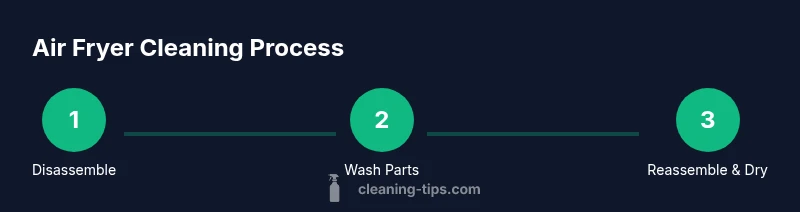
Air fryer models vary in construction, but the core cleaning principles stay the same. Start with the basket and tray, which are the most grease-laden parts. Soak them in warm soapy water for a few minutes if grease is stubborn, then scrub gently with a nonabrasive sponge. Wipe the interior with a damp cloth, avoiding the heating element. Use a soft brush to dislodge debris from vents and corners. Dry all parts thoroughly before reassembling. For models with a nonstick coating, avoid sharp tools and harsh scouring pads that can scratch surfaces. Cleaning Tips recommends a light touch and a quick daily wipe to extend the life of the coating.
Dealing with Burnt-On Grease and Odor
Burnt-on grease can be stubborn, but a methodical approach works best. Begin with soaking: place the basket and tray in warm soapy water for 10 minutes, then scrub with a soft brush. For persistent residues, make a gentle paste with baking soda and water and apply it with a soft cloth, letting it sit briefly before scrubbing. Odor removal benefits from a mild deodorizing step: wipe the interior with a cloth dampened in a mix of water and a splash of white vinegar, then rinse and dry. If odors persist, run the air fryer empty at a low temperature for 3–5 minutes with a lemon rind inside to freshen the chamber without food present.
Routine Maintenance for Longevity
To keep your air fryer performing well, clean it after each use. A quick wipe of the exterior and a more thorough cleaning of the basket will reduce grease buildup over time. Regular checks of seals and gaskets help you catch wear early, while avoiding harsh cleaners preserves the nonstick surface. If you notice discoloration or residue, adjust your cleaning routine—perhaps a gentler scrub after a shorter soak—to minimize wear while maintaining cleanliness.
Safety, Warnings, and Best Practices
Always unplug the unit before cleaning and allow it to cool completely to prevent burns. Never immerse the main housing in water and avoid abrasive tools that could scratch nonstick coatings. Do not use harsh solvents or bleach on any part of the air fryer. If you’re unsure about model-specific steps, consult the user manual. The goal is to clean safely while protecting the device’s electrical components and coatings for long-term performance.
Authoritative Sources and Further Reading
For more on safe cleaning and kitchen appliance care, consider these reputable resources:
- https://www.cdc.gov/healthyhomes
- https://www.fda.gov/food-safety
- https://extension.illinois.edu/ These sources offer guidance on safe cleaning practices and maintaining clean, safe cooking environments.
Keeping Your Air Fryer Clean Between Uses
A quick daily wipe after cooking, a light interior dusting, and immediate removal of loose crumbs will keep buildup from forming. A routine once a week deep clean—especially after fatty meals—helps maintain performance and flavor. By integrating these small steps into your cooking workflow, you’ll enjoy consistently better results and a more pleasant, healthier kitchen environment.
Tools & Materials
- Dish soap (mild, non-abrasive)(Avoid harsh chemicals that can damage nonstick coatings)
- Warm water(For washing and rinsing)
- Nonabrasive sponge or microfiber cloth(Soft texture to protect coating)
- Soft-bristled brush or old toothbrush(For crevices and corners)
- Dry microfiber cloth(For drying and polishing)
- White vinegar (optional)(For deodorizing; dilute before use)
- Baking soda (optional)(For stubborn residues as a gentle paste)
- Nonstick-safe cooking spray or oil (optional)(Lightly oil a fresh surface if needed after cleaning)
Steps
Estimated time: 30-40 minutes
- 1
Unplug and Cool
Unplug the air fryer and allow it to cool completely before cleaning. This protects you from burns and ensures water won’t contact live electrical components.
Tip: Always start with safety—cooling minimizes the risk of heat-related injuries. - 2
Remove the Basket and Tray
Take out the basket, tray, and any removable accessories. Place them in warm, soapy water to loosen grease; this makes scrubbing easier and reduces the need for harsh scrubbing later.
Tip: Soaking is your friend for tough grease; don’t rush this step. - 3
Wash Removable Parts
Scrub the basket and tray with a nonabrasive sponge using mild dish soap. Rinse thoroughly and set aside to dry. If grease persists, apply a baking soda paste and gently scrub, then rinse again.
Tip: Avoid metal scouring pads that can scratch the coating. - 4
Clean the Interior
Wipe the interior walls and door seals with a damp cloth. Use a soft brush to dislodge crumbs from vents and corners. Do not spray water directly into the heating element.
Tip: Keep the brush light and avoid applying water to electrical components. - 5
Deodorize and Dry
If odors linger, wipe with a cloth dampened with a mix of water and a splash of white vinegar, then rinse and dry completely. Allow all parts to air-dry fully before reassembly.
Tip: Drying prevents moisture from causing rust or odors. - 6
Reassemble and Test
Once all parts are completely dry, reassemble the air fryer. Run a short empty cycle to verify it heats evenly and there are no lingering smells before cooking again.
Tip: A quick test run confirms cleanliness and avoids surprises with food.
Questions & Answers
What parts of the air fryer should be cleaned after every use?
After every use, clean the basket and tray to remove grease and food particles. Wipe the exterior and interior surfaces to prevent buildup. Regular cleaning helps maintain performance and flavor.
Clean the basket and tray after each use, wipe the exterior and interior so nothing sticks.
Can I put the air fryer basket in the dishwasher?
Some baskets are dishwasher safe, but it varies by model. Check the user manual. If in doubt, hand wash to protect the nonstick coating.
Check your manual first; many baskets are dishwasher safe, but hand washing is safer for the coating.
Is vinegar or baking soda safe for deodorizing the air fryer?
Diluted vinegar can be used for exterior surfaces; avoid applying it to heating elements. Baking soda paste works on stubborn spots but rinse well after use.
Yes, diluted vinegar and baking soda can help deodorize, but use them carefully and rinse thoroughly.
What should I do about burnt-on grease?
Soak removable parts in warm soap water, then scrub with a soft brush. If needed, use a baking soda paste and re-rinse. Avoid harsh scrubbing that damages coatings.
Soak, then gently scrub with a soft brush to lift burnt residue.
How can I prevent odors between uses?
Clean after each use and run a quick empty cycle with a small amount of lemon or vinegar solution to refresh the chamber.
Clean after use and run a brief cycle with lemon to keep odors away.
Watch Video
The Essentials
- Unplug and cool before cleaning
- Wash basket and tray after every use
- Wipe interior and vents gently, avoiding the heating element
- Dry thoroughly and test with a short cycle