Clean Garbage Disposal: A Step-by-Step Guide
Learn safe, effective steps to clean your garbage disposal, remove odors, and extend its life with simple, natural methods.


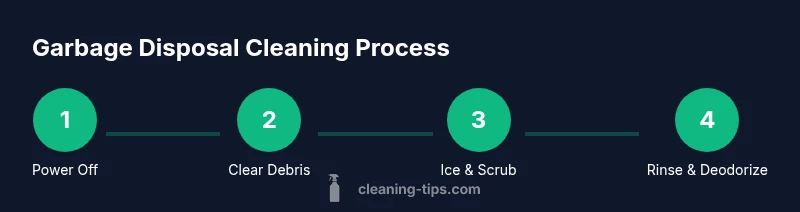
Goal: clean a garbage disposal safely, eliminate odors, and extend its life. Key steps include powering off the unit, scraping loose debris, using a natural cleaner, and flushing with cold water. Cleaning Tips notes that routine maintenance reduces jams and odors, and a monthly clean is usually enough for most kitchens.
Why Regular Cleaning Matters
A clean garbage disposal helps prevent odors, slows corrosion, and protects your plumbing. When a disposal runs with debris, bacteria and mold can accumulate, and foul smells may waft into the kitchen. Regular maintenance also reduces the risk of clogs by dislodging buildup that would otherwise press into traps and pipes. According to Cleaning Tips, a simple monthly cleaning routine is enough for most households, especially if you minimize fibrous or starchy waste. In this guide, we’ll break down the science behind odors, how grinders work, and practical steps you can take that won’t damage seals or metal components. Whether you have a compact under-sink unit or a larger kitchen model, the core idea is the same: brief, consistent care beats reactive repairs. A well-maintained disposal can run quietly, prevent leaks, and extend its lifespan. It also helps maintain kitchen hygiene, reducing lingering kitchen odors that can be especially noticeable after meals with garlic, onion, or seafood. We’ll cover what to clean, how to clean it, and how often, with tips you can apply today. Remember that safety comes first: always disconnect power before sticking your hands anywhere near the grinding chamber.
Best Cleaning Methods and When to Use Them
There isn’t a one-size-fits-all approach to garbage disposal cleaning. The method you choose depends on odor severity, the age of the unit, and whether you’re dealing with mineral buildup or organic slime. A gentle rinse and fresh citrus grind is great for routine maintenance, while a baking soda and vinegar fizz helps with stubborn odors. Light scrubbing with ice and rock salt can physically remove grime without harming seals. For tougher jobs, a dedicated biodegradable cleaner is acceptable, but avoid harsh chemicals that can damage the rubber gaskets or corrode metal parts. If your disposal is older or you notice unusual noises, consider inspecting the splash guard and flywheel area for wear. We’ll walk through each method, include pros and cons, and explain how to combine methods safely for best results. Remember: always keep the water running while grinding and never force tools or fingers into the unit.
Dealing with Odors: Quick Fixes That Work
Odors in a garbage disposal typically come from trapped food particles and bacteria in the grind chamber. Start with a cold-water rinse to flush loose debris, then run the unit with ice cubes and a pinch of salt to scrub away residue. A baking soda rinse followed by a quick citrus grind can neutralize smells without harsh chemicals. If you prefer natural scents, citrus peels or a slice of lemon can leave a fresh fragrance, but avoid overloading with peels if your unit is small. Finally, for stubborn odors, wipe the exterior housing and check the immediate plumbing under the sink for leaks that could contribute to a musty odor.
Preventive Maintenance: Keeping It Fresh Month After Month
Preventive maintenance doesn’t have to be time-consuming. Schedule a monthly 5–7 minute clean, especially if you grind fibrous foods or frequent seafood. Keep a dedicated set of tools for under-sink maintenance, and replace the splash guard and seals if you notice cracking or wear. Use a mild, biodegradable cleaner when possible, and always follow with a thorough cold-water rinse. Regular checks of the electrical cord, switch, and the P-trap beneath the sink can catch issues before they become costly repairs. By staying proactive, you reduce jams, leaks, and odor development, preserving the disposal’s performance and the kitchen’s overall cleanliness.
Troubleshooting Common Issues After Cleaning
If odors return after cleaning, inspect the P-trap for buildup or clogs, and verify there are no leaks around the sink flange. Unusual noises after cleaning can indicate a loose flywheel or worn splash guard. In some cases, a more thorough cleaning of the interior grinding chamber is needed, which may require disassembly by a professional. If the disposal still struggles to grind, avoid forcing objects into the unit; instead, consult a technician, particularly if the unit is older or leaking. Finally, keep a regular cleaning schedule to prevent issues from returning and to maintain peak performance.
Tools & Materials
- Dish soap (mild, biodegradable preferred)(Gentle on seals; use a small amount)
- Ice cubes(For physical cleaning and blade sharpening)
- Coarse salt (optional)(Abrasive helper if available)
- Baking soda(Deodorizing action; safe for disposals)
- White vinegar (optional)(Odor neutralizing; avoid mixing with baking soda directly in the unit)
- Lemon or orange peels (optional)(Natural fragrance; use in moderation)
- Gloves(Protect hands from sharp components)
- Towel and flashlight(Assist with visibility under the sink)
Steps
Estimated time: 20-35 minutes
- 1
Power off and prep the area
Turn off power to the disposal at the wall switch or circuit breaker. Confirm the unit cannot accidentally start, then clear the area beneath the sink. Wipe up any water, gather your cleaning supplies, and ensure good lighting before you begin.
Tip: Safety first: double-check power is off and wear gloves to avoid cuts. - 2
Remove obvious debris
Remove visible food scraps from the mouth of the disposal using tongs or pliers. Do not put your hands inside the grinding chamber. Clear anything that might be stuck at the top or around the splash guard.
Tip: Use tools instead of fingers to avoid blade contact. - 3
Scrub with ice and salt
Fill the unit with a handful of ice cubes and a pinch of coarse salt, then run cold water while grinding. The ice and salt work as a natural abrasive to loosen grime from the interior walls and grind ring.
Tip: Keep the flow of water consistent to prevent overflow. - 4
Deodorize with baking soda
Pour 1/4 cup baking soda into the disposal, then flush with cold water and run the unit for 15–30 seconds. Rinse, then, if desired, grind citrus peels to add a fresh scent.
Tip: Do not mix caustic cleaners with vinegar directly in the unit; rinse well between steps. - 5
Rinse and deodorize with citrus
Run cold water and grind lemon or orange peels for 15–20 seconds. The natural acids and oils help neutralize smells and leave a pleasant fragrance.
Tip: Citrus peels are optional but effective for quick freshness. - 6
Final rinse and exterior check
Give a thorough cold-water rinse for 20–30 seconds after the last cleaning cycle. Wipe the exterior housing, check for leaks, and verify the drain connects securely to the P-trap.
Tip: Inspect the seals periodically and replace if you detect cracks or wear.
Questions & Answers
How often should I clean my garbage disposal?
Most households benefit from a monthly cleaning, especially with frequent usage or strong odors. If odors persist, increase the frequency temporarily and inspect the trap for buildup.
Clean about once a month, and adjust if odors linger or if the unit is used heavily.
Can I use vinegar and baking soda together in the disposal?
Use them separately rather than simultaneously inside the unit. Direct mixing can cause fizzing and may reduce cleaning effectiveness. Rinse well between steps.
Yes for deodorizing, but don’t mix them at the same time in the disposal.
Is it safe to put lemon peels in the disposal?
Lemon peels can deodorize and freshen the unit, but use in moderation to avoid clogging from excessive fibrous material. Rinse after grinding.
Yes, in moderation, as part of a deodorizing cycle.
What should I do if odors persist after cleaning?
If odors persist, check the P-trap for buildup or leaks, and inspect the splash guard. Consider a deeper interior cleaning or professional inspection if noises or leaks appear.
Check the trap and seals first; you may need a deeper cleaning or a pro.
Can I use bleach or other harsh cleaners?
Harsh chemicals can damage seals and corrode metal parts. Prefer mild cleaners, and avoid caustic agents in the disposal.
Bleach isn’t recommended for routine disposal cleaning.
Are there safety risks when cleaning under the sink?
Yes. Always disconnect power, keep tools away from blades, and wear gloves. Ensure the area is well-lit to prevent slips or accidental contact.
Yes—power off, wear gloves, and be mindful of sharp components.
Watch Video
The Essentials
- Power off before working on the unit.
- Use safe, natural cleaners to avoid damaging seals.
- Rinse thoroughly with cold water after each cleaning cycle.
- Deodorize with baking soda and citrus when needed.
- Maintain a monthly routine to prevent clogs and odors.