How to Use a Clean Pool Robot for Effortless Pool Cleaning
Learn how to choose, install, and maintain a clean pool robot for a sparkling pool with less effort. This Cleaning Tips guide covers features, safety, and maintenance for homeowners and renters.


Definition: A clean pool robot is an autonomous cleaner that scrubs, vacuums, and filters pools, reducing manual effort and improving water clarity. It operates underwater, following programmed cycles and collecting debris in its filter. This guide shows how to choose, install, and maintain one for reliable results. Whether you have an in-ground or above-ground pool, a clean pool robot can dramatically cut cleaning time. Choose a model with strong brushes, fine filtration, and programmable cycles to maximize performance.
Why a clean pool robot matters
According to Cleaning Tips, a clean pool robot can drastically reduce the time you spend cleaning and scrubbing pool surfaces. Homeowners and renters notice fewer missed spots, more consistent water quality, and less physical strain from manual cleaning. The Cleaning Tips team found that reliable robots improve overall pool hygiene by ensuring debris is consistently captured and surfaces are kept free of algae and mineral buildup. When you invest in a clean pool robot, you’re not just buying a gadget—you’re adding a dedicated cleaning partner that works on a predictable schedule, helping you maintain better water chemistry with less effort. In short, it’s an essential upgrade for busy households seeking a healthier, less stressful pool experience.
Beyond convenience, a modern robotic cleaner can help extend the life of pool surfaces and equipment by reducing abrasive scrubbing with manual tools and by maintaining cleaner filters, which supports healthier water quality year-round. For many households, this translates into more inviting pool time and fewer seasonal deep cleans. This is especially helpful for families with kids or pets that create extra debris. By investing in the right model, you’ll also reduce chemical usage and save energy over time as the robot works efficiently within its programmed cycles.
Key features to look for in a clean pool robot
When selecting a clean pool robot, prioritize features that align with your pool type, size, and cleaning priorities. Look for models with robust scrubbing brushes, multiple cleaning modes, and a high-capacity filter to reduce maintenance frequency. Navigation is another critical factor: consider robots with efficient path algorithms that minimize missed spots. A programmable timer or app control can help you schedule mid-day or overnight cycles to take advantage of lower pool usage times and cooler water temperatures, which may improve debris capture. For rental homes or shared pools, choose units with easy-to-clean filter cartridges and quick-dry housings to simplify turnover between guests. Energy efficiency matters too, so compare models with low idle power consumption and efficient pump design. Altogether, the best options balance coverage, filtration, noise, and reliability. Also assess compatibility with your pool surface (gunite, vinyl, or fiberglass) and whether the device can navigate ladders, drains, or tight corners.
A well-chosen clean pool robot helps maintain water quality, reduces manual labor, and supports a healthier swimming environment. It’s worth investing time to understand each feature and how it translates into real-world performance. This approach leads to fewer repairs, cleaner water, and more consistent cleaning results over the season.
Setup and installation basics
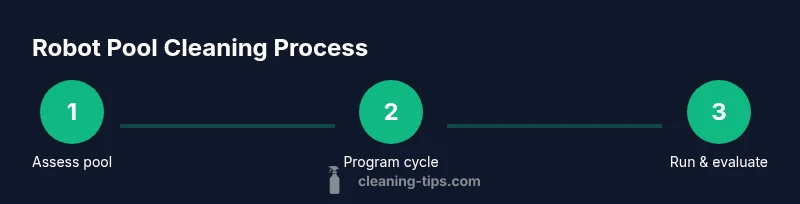
Getting a clean pool robot up and running involves a few careful setup steps. Start by confirming the pool type and size to pick a model with appropriate cleaning cycles and motor power. Ensure you have a dedicated, outdoor-rated power outlet with GFCI protection to keep swimmers safe. Before placing the robot in the water, check the pool for any loose toys or shallow steps that could trap the cleaner. Submerge the unit slowly, guiding it to a clear area to prevent tangling of cords or hoses. Program the desired cleaning cycle length and zone coverage, then turn the unit on and observe its initial movement to ensure there are no obstructions. Finally, remove the robot after the first run to inspect the filter and housing for debris that could impede airflow or suction. Regularly check cords and plugs for damage to prevent electrical hazards.
A well-executed setup ensures efficient cleaning from the start and reduces the chance of early component wear. Cleaning Tips recommends testing the robot in a small section first to confirm its ability to traverse corners and surface transitions before committing to a full-cycle run.
Programming, scheduling, and weekly routines
Efficient use of a clean pool robot hinges on programming and scheduling that match your pool’s usage patterns. Create a weekly plan that assigns at least one full-cycle clean per day during peak debris periods (fall leaf drop, pollen season) and lighter maintenance during calmer times. Use the robot’s built-in timer or a connected app to automate starts at a time when the pool is unused, which helps minimize interference with swimmers and sunlight exposure that can heat up debris and reduce suction efficiency. For above-ground pools, confirm that the robot can clear the entire surface without frequent redeployments. Regularly verify that the filter is clean and empty before each cycle to prevent restricted flow, and adjust cleaning modes if you notice persistent debris in one area.
Over time, a disciplined schedule reduces manual intervention and ensures a consistent pool experience. Feedback from everyday users indicates that setting predictable cycles leads to better water balance, reduced chemical usage, and fewer long cleaning days.
Maintenance: cleaning, filters, and storage
Maintenance is the key to extending the life of a clean pool robot. After each cycle, rinse the filter and housing with clean water to remove captured debris. Inspect brushes for wear and replace them when bristles begin to fray or bend, which reduces cleaning effectiveness. Check seals and gaskets for signs of wear or cracking, especially around removable filter housings. If your model has replaceable filter cartridges, keep spares on hand and swap them as recommended by the manufacturer. Dry the unit completely before storage to prevent mold growth or corrosion, and store it in a cool, shaded place away from direct sun. A quick annual check of the motor housing and cord integrity can catch issues before they escalate.
Consistent maintenance minimizes downtime and ensures you keep enjoying a clean pool with less effort. Cleaning Tips notes that a routine like this is essential for sustaining optimal filtration and suction across seasons.
Troubleshooting common issues
Even the best clean pool robot may encounter hiccups. If the cleaner isn’t moving, check for a tangled cord, blocked intake, or debris-laden brushes. If suction seems weak, inspect the filter and ensure the debris cup is not overflowing. A motor that runs but the unit doesn’t advance could indicate navigation sensor obstruction or low battery in an integrated unit. Leaks around the filter housing or seals suggest worn gaskets or improper resealing after filter changes. If the robot repeatedly becomes stuck on the pool’s ledges or steps, reassess cycle settings or map coverage to identify missed zones. For persistent problems, consult the user manual’s fault codes and verify compatibility with your pool surface.
By methodically diagnosing issues and following a regular maintenance routine, you’ll minimize downtime and extend the robot’s service life. Cleaning Tips recommends documenting any recurring faults to support warranty coverage and future repairs.
Safety considerations and energy efficiency
Safety and energy efficiency should guide every use of a clean pool robot. Always operate with a GFCI outlet and keep electrical connections away from wet areas. Do not submerge the control unit beyond what the manufacturer specifies, and avoid running the unit when the pool water level is too low, which can expose pumps and seals to air and cause overheating. Regularly inspect cords for cuts or fraying and replace damaged adapters promptly. When not in use, store the unit out of direct sun to prevent overheating of plastic components and to extend cord life. For energy efficiency, use scheduled runs during off-peak hours and select shorter cycles for smaller debris loads, as this can reduce power consumption while still achieving clean surfaces.
Safety first, efficiency always. A well-formed routine minimizes risk and makes pool cleaning more predictable for households with children and pets. Cleaning Tips emphasizes thoughtful maintenance as a core habit for any pool owner.
Authority sources and further reading
For rigorous guidance on pool safety and cleaning practices, consult these authoritative sources. EPA and local health guidelines provide general pool safety recommendations, while university extension resources offer practical cleaning tips for homeowners. By cross-referencing these sources, you can align your cleaning routine with best practices and stay up to date on environmental health standards.
- https://www.epa.gov/pesticides/safe-use-pools
- https://www.cdc.gov/healthywater/swimming/pools.html
- https://extension.illinois.edu
Tools & Materials
- Clean pool robot(Ensure battery/power compatibility with pool size)
- Grounded GFCI-protected power outlet(Outdoor-rated; near pool deck)
- Pool water test kit(Check pH and chlorine after installation)
- Replacement filter cartridges(Stock 1–2 spares depending on debris load)
- Cleaning brush (soft-bristled)(For housing and filter basket)
- Dry towel or mat for storage(Dry unit before storage)
- Pool skimmer net(Pre-remove large debris)
- Safety gloves(Hand protection during handling)
Steps
Estimated time: 60-90 minutes
- 1
Unbox and inspect the unit
Open the packaging and confirm all parts are present. Look for any shipping damage and verify the filter basket and brushes are intact. This initial check prevents surprises during the first run.
Tip: Note any missing components and contact support before use. - 2
Check power requirements and install safety outlet
Confirm the robot’s voltage and ensure a GFCI outlet is installed and working. Use a dedicated outdoor circuit to prevent overloading other devices.
Tip: Test the outlet with a simple device first to verify safety. - 3
Prepare the pool and remove obstacles
Skim the surface to remove large debris. Ensure the water level is adequate and there are no loose toys or cords that could snag the robot.
Tip: Clear ladder areas and check for protruding drains that could trap the cleaner. - 4
Program the robot
Set the desired cleaning cycle length and mode (e.g., full pool coverage or spot-clean). If available, enable app scheduling for automated runs.
Tip: Start with a shorter cycle to observe performance before extending duration. - 5
Place robot in water and start cycle
Lower the robot gently into the pool and start the cycle. Guide it away from drains and ensure it begins moving smoothly.
Tip: Monitor the first run to confirm it navigates corners and stairs correctly. - 6
Retrieve and clean the filter after the run
Turn off power before handling. Remove the filter and rinse it with clean water to remove captured debris.
Tip: Check for tears or wear and replace if necessary. - 7
Rinse and dry components; store properly
Rinse housing and brushes, then dry completely before storage to prevent mold.
Tip: Store in a shaded area away from direct sun. - 8
Create a routine maintenance schedule
Set a weekly task to inspect brushes and seals, and a monthly task to check cords and seals for wear.
Tip: Record maintenance dates to track wear over time. - 9
Seasonal storage and troubleshooting
Prepare for off-season storage by giving a thorough clean and protecting from cold temperatures. Review common fault codes in the manual and contact support if issues persist.
Tip: Keep a quick-reference sheet of troubleshooting steps.
Questions & Answers
What features define a good clean pool robot?
A reliable clean pool robot should offer strong brushes, efficient filtration, multiple cleaning modes, and dependable navigation. App control or timers help automate cycles, while a robust filter ensures debris stays in the cartridge rather than returning to the pool.
Look for strong brushes, good filtration, and programmable cycles for easier maintenance.
Can I leave the pool robot in the water when not cleaning?
Most robots are designed for use in water and can stay submerged, but you should follow the manufacturer’s charging and storage guidelines. Remove and dry the unit if required to prevent mold or battery wear.
Usually safe to stay in water, but follow the manual for charging and drying steps.
How often should I clean the robot's filter?
Clean the filter after every cycle during heavy debris periods, and at least weekly during normal use. A clean filter maintains suction and prolongs motor life.
Clean the filter after each cycle when debris is heavy; otherwise weekly is fine.
Is a pool robot compatible with all pool types?
Most robots work with concrete, vinyl, and tile pools, but always verify depth limits, entry/exit points, and surface sensitivity before purchasing.
Most are versatile, but check depth and surface compatibility first.
What maintenance schedule should I follow?
Create a simple weekly checklist: inspect brushes, rinse the filter, and verify cord integrity. Monthly, check seals and store correctly for longevity.
Weekly brush checks and filter rinses keep performance high.
How long do pool robots typically last?
With proper care and regular maintenance, a good pool robot can last several seasons. Replace worn brushes and seals as needed to maintain efficiency.
A well-maintained robot lasts across multiple seasons.
Watch Video
The Essentials
- Choose the right model for your pool size and surface.
- Program regular cleaning cycles for consistent results.
- Perform routine filter and brush maintenance weekly.
- Prioritize safety with proper electrical setup and storage.