Truck Check Login: A Practical Guide for Clean Fleets
Learn how to securely access the Truck Check login, reset passwords, enable two-factor authentication, and navigate the dashboard to manage truck-cleaning tasks efficiently. Practical steps, safety tips, and troubleshooting.


In this guide, you will learn how to securely access the Truck Check login, verify your credentials, and navigate the dashboard to start a truck-cleaning checklist. We'll cover creating or resetting your password, enabling two-factor authentication, and quick tips to stay compliant with fleet hygiene standards. Follow the steps for a smooth, safe login every time.
Why a clean truck check login matters
Accessing the Truck Check login is the first step to keeping your fleet organized and your vehicles ready for cleaning tasks. A secure login protects sensitive data such as maintenance logs, task assignments, and service records. According to Cleaning Tips, strong authentication reduces the risk of unauthorized access and helps fleets stay compliant with safety standards. When a driver or cleaner signs in, the dashboard should reflect the current status of each truck, upcoming wash schedules, and inspection checklists. A reliable login process also minimizes downtime by ensuring authorized personnel can quickly reach the cleaning tasks they need. In practice, a clean truck check login supports consistent hygiene across vehicles, better inventory control for cleaning supplies, and clearer communication among crew members. By prioritizing secure access, fleet managers can prevent data leaks and protect customer information. The goal is a login experience that is simple to perform, but robust enough to prevent common threats. Setting expectations around login behavior — such as not sharing credentials and signing out after each session — improves overall fleet security and operational efficiency.
Understanding the login ecosystem for fleet cleaning operations
Fleet management platforms like Truck Check use layered authentication to protect sensitive data. The canonical flow often starts with a username and password, then proceeds to a second factor such as a temporary code or a push notification. For Cleaning Tips teams, this means you can access maintenance histories, cleaning schedules, and compliance checklists from a secure dashboard. Some fleets implement single sign-on (SSO) for convenience, but you should still enforce strong 2FA and device trust. Device trust means your devices are recognized as secure after a one-time authorization, reducing the likelihood of phishing or man-in-the-middle attacks. Always access the login from a trusted network and avoid public Wi‑Fi when handling maintenance records. The ecosystem also includes account recovery options, such as backup email or security questions, which should be updated regularly. A clear audit trail helps managers see who accessed what and when, reinforcing accountability across the cleaning operation.
Step-by-step navigation of the Truck Check login
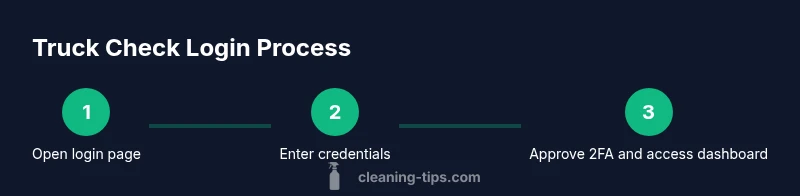
The following considerations help you move from open to dashboard with confidence. Always verify you are on the official domain to avoid phishing. Use a password manager to fill credentials securely and minimize typing errors. If you use a mobile device, enable biometric login where available for faster access. After entering credentials, complete the second factor promptly; delays can lock you out. Once signed in, look for sections labeled with cleaning tasks, maintenance logs, and compliance checklists. If you manage multiple vehicles, use the dashboard’s search or filter to locate the right truck quickly. Finally, sign out when the session ends and clear the cache if you share devices. If you use a shared fleet terminal, rely on auto-logout features to drop the session after a period of inactivity.
Security best practices for login
Strong passwords: Create long, unique passwords for Truck Check and rotate them regularly. Avoid common phrases or personal data.
Enable 2FA: Two-factor authentication adds a crucial layer of defense. Use an authenticator app or a hardware key where possible.
Device security: Only sign in from trusted devices. Keep devices updated, use screen locks, and avoid saving credentials on public computers.
Phishing awareness: Always type the login URL manually if you are unsure, and look for a secure connection (https) and a valid certificate.
Session hygiene: Sign out after each session, close the browser, and clear cached data on shared devices. Regularly review active sessions and revoke access for unused devices.
Recovery readiness: Keep recovery options up to date and know the official support channels in case access is lost.
Common issues and troubleshooting
Most login problems fall into four buckets: incorrect credentials, 2FA challenges, blocked accounts, and browser-related glitches. If your password is rejected, use the official password reset flow rather than reusing old credentials. If 2FA prompts fail, verify the time on your authenticator app and ensure you have backup codes saved securely. A blocked account typically results from multiple failed attempts; contact an administrator to unlock after identity verification. For browser issues, clear cookies for the site, disable conflicting extensions, and try a different browser on a trusted device. If you still cannot log in, consult the official support channel and verify you are visiting the legitimate Truck Check URL. Keeping a small, offline checklist can speed up troubleshooting during busy cleaning shifts.
Accessibility and mobile login considerations
Mobile access should be seamless, yet secure. Prefer built-in biometric login (fingerprint or face ID) where supported, and ensure the app or mobile site enforces 2FA. For users with accessibility needs, ensure captioned error messages and keyboard-navigable interfaces are available. If you rely on voice assistants or screen readers, test the login process with your preferred accessibility settings to identify any friction points. Regularly update your device and app, and maintain a simple, readable color contrast in the user interface to reduce eye strain during long shifts.
Maintaining login hygiene across your fleet
Consistency is key when managing multiple drivers and trucks. Establish a fleet-wide policy for password changes, device authorization, and 2FA enrollment. Distribute a concise quick-reference guide that covers the login steps, common issues, and who to contact for help. Run periodic audits to confirm that all devices in use are current and secure. Implement simple onboarding workflows for new drivers that include a hands-on login drill and a short quiz to ensure understanding. By standardizing login practices, you reduce security gaps, improve data integrity, and keep cleaning tasks flowing smoothly across the fleet.
Tools & Materials
- Device with internet access(Laptop, tablet, or smartphone with an up-to-date browser.)
- Truck Check login credentials (username & password)(Use a unique, strong password.)
- Two-factor authentication method(Authenticator app (time-based) or hardware key.)
- Password manager(Optional but helps generate and store strong passwords.)
- Updated browser(Ensure cookies and JavaScript are enabled.)
- Backup recovery options(Email recovery or security questions if available.)
Steps
Estimated time: 15-25 minutes
- 1
Open the login page
Navigate to the official Truck Check login URL on a trusted device. Verify the domain to avoid phishing and ensure you are using a secure connection. If you are on a shared or public network, switch to a private, trusted network before entering credentials.
Tip: Bookmark the official login URL for quick access. - 2
Enter credentials
Enter your username and password carefully. Do not rely on auto-fill on shared devices, and consider using a password manager to minimize keystrokes and errors.
Tip: Use a password manager to generate and autofill complex credentials. - 3
Complete two-factor authentication
Approve the second verification step, whether a code, push notification, or hardware key. Do this promptly to avoid session timeouts.
Tip: Keep your authenticator app up to date and have backup codes stored securely. - 4
Navigate to the dashboard
Once signed in, locate the Cleaning Tasks, Maintenance Logs, and Compliance Checklists sections. Use filters to find specific trucks quickly.
Tip: Use the search or filters to reduce navigation time. - 5
Sign out securely
Sign out after each session and close the browser to terminate the session. On shared devices, consider clearing cookies and cache.
Tip: Always verify you are signed out on public devices. - 6
Reset password if login fails
If you cannot sign in, use the official password reset option and follow the prompts to re-create a strong password.
Tip: Do not reuse old passwords; rotate credentials regularly.
Questions & Answers
What is the Truck Check login and why is it important for cleaning fleets?
The Truck Check login is the secure entry point to your fleet’s dashboard where you access maintenance logs, cleaning schedules, and task assignments. A strong login protects sensitive data and keeps operations running smoothly.
The Truck Check login is the secure gateway to your fleet dashboard where you manage cleaning tasks and maintenance records.
How do I reset my Truck Check password?
Click the 'Forgot password' link on the login page, enter your registered email, and follow the reset instructions. Create a strong new password and store it securely in a password manager.
Use the forgot password option on the login page and follow the prompts to reset your password.
Is two-factor authentication required for Truck Check?
Two-factor authentication is strongly recommended to protect fleet data. It adds an extra verification step, such as a code from an authenticator app or hardware key.
Two-factor authentication adds a second layer of security for accessing Truck Check.
Can I log in from multiple devices at the same time?
Yes, you can log in from multiple devices, but ensure each device is secure. Sign out when finished and avoid saving credentials on public or shared devices.
You can sign in from multiple devices, but keep each device secure and sign out when you’re done.
What should I do if I suspect a security breach?
Immediately revoke active sessions, change your password, and contact the fleet admin. Follow your organization’s incident response plan to contain the issue.
If you suspect a breach, revoke sessions, change password, and notify the admin right away.
What if I forget my username?
Use the account recovery options provided on the login page or contact support to verify your identity and recover access.
If you forget your username, use the recovery options or reach out to support.
Watch Video
The Essentials
- Secure credentials before signing in
- Enable 2FA for fleet protection
- Bookmark the official login URL
- Log out after each session
- Keep devices updated and secure