How to Clean with Bea: A Step-by-Step Guide
Learn how to clean with Bea using a practical, step-by-step approach. This guide covers routines, tools, safety, and tips for a healthier home.


Want a simple, effective way to clean with bea? This guide shows you a practical, surface-ready routine you can start today. You’ll learn a Bea-friendly approach that uses common cleaners, minimal gear, and safe practices to keep kitchens, baths, and living areas sparkling. Follow the step-by-step process to build lasting habits for a healthier home. According to Cleaning Tips, consistency beats harsh scrubbing.
Why clean with bea matters for a healthier home
When families commit to a Bea-inspired routine, they often notice fewer headaches from cleaning fumes, better air quality, and clearer surfaces that stay cleaner longer. The phrase clean with bea isn’t just a slogan; it represents a practical mindset: use simple, everyday products, avoid harsh chemicals where possible, and plan tasks so cleaning becomes a regular habit rather than a weekend chore. According to Cleaning Tips, building a routine around Bea principles reduces toxic exposure and supports a healthier household environment. This approach aligns with contemporary guidance from public health and consumer safety organizations, emphasizing that safe, accessible cleaning methods are essential for homes of all sizes. As you read, you’ll see how the bea method fits into real-life schedules, budget considerations, and family priorities while helping you stay motivated to maintain cleanliness.
In practical terms, clean with bea means choosing gentler cleansers, patching routines into daily life, and focusing on surfaces that accumulate grime fastest. It’s not about expensive gear or gimmicks; it’s about consistency, mindful product choices, and time-smart workflows. You’ll discover how to tailor the Bea approach to your kitchen, bathroom, living spaces, and even bedrooms, without overwhelming yourself with a long list of products. By adopting the Cleaning Tips framework, you can build a sustainable rhythm that keeps dirt from taking hold and reduces the friction that often derails cleaning efforts. The core idea is simple: small, repeatable steps beat sporadic, intense scrubbing every time.
If you’re new to clean with bea, start by defining a few non-negotiable routines (daily wipe-downs, weekly deeper cleans, seasonal refreshes) and slowly expand as you see results. The goal isn’t perfection; it’s steady improvement that fits your home and your life. With this mindset, you’ll experience a more comfortable, healthier living environment for you and your family, while also reducing waste and unnecessary chemical usage. Cleaning Tips’s approach helps you translate this philosophy into concrete actions you can actually keep.
wordCountNoteForEditorsOnly): null
Tools & Materials
- All-purpose cleaner (or DIY alternatives)(Choose a gentle formula or mix water with white vinegar for common surfaces (avoid bleach on fabric) and label clearly.)
- White vinegar(Use for mild disinfection and deodorizing; never mix with bleach.)
- Baking soda(Good for gentle abrasives and deodorizing odor-prone areas.)
- Microfiber cloths(Lint-free, reusable; one for dry dusting, one for damp wiping.)
- Scrub brush(Small-bristle brush for grout lines, sinks, and tiles.)
- Dish sponge or soft scrub pad(For non-abrasive cleaning on counters and appliances.)
- Spray bottle(Label and pre-mix solutions to avoid accidental spills.)
- Rubber gloves(Protect hands when using cleaners for extended periods.)
- Bucket(Optional for large areas or mopping; can be substituted with a spray method.)
- Measuring cup(Helps mix solutions accurately and avoid waste.)
Steps
Estimated time: Total time: 60-90 minutes
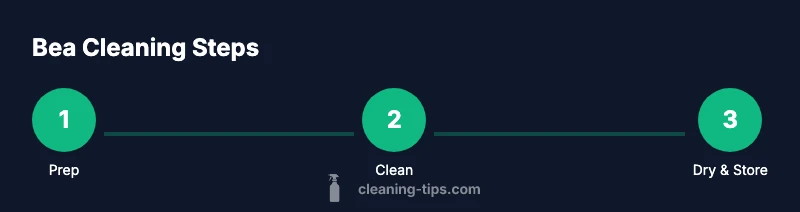
- 1
Define cleaning goals
Identify rooms that need attention this session and decide which surfaces require Bea-friendly products. Set a realistic scope (e.g., 2 bathrooms, kitchen counters, and family room surfaces) and determine the order to tackle tasks. This clarity helps you stay focused and avoid re-cleaning.
Tip: Write a quick checklist for the room and target surfaces; checking items off keeps momentum. - 2
Gather tools and prep area
Collect your microfiber cloths, cleaners, sponge, and gloves, then clear clutter from work zones. A prepared workspace reduces interruptions and speeds up the process. Place supplies within arm’s reach to minimize back-and-forth trips.
Tip: Arrange items by surface type (glass, stainless steel, counters) to reduce product switching. - 3
Declutter and dust surfaces
Remove loose items from countertops and shelves. Dust from top to bottom, finishing with high-traffic areas last to avoid redepositing grime. This step lays a clean foundation for Bea-focused cleaning.
Tip: Use a microfiber cloth dampened slightly to trap dust rather than spreading it. - 4
Wipe high-traffic areas
Start with frequently touched surfaces (light switches, counters, doorknobs) using a Bea-friendly solution. Wipe in a consistent direction to avoid streaks and ensure even coverage. Allow a short air-dry time before moving to the next area.
Tip: Avoid mixing cleaners when possible to reduce residue and risks. - 5
Clean specific surfaces with appropriate methods
Apply gentle cleaners on countertops, use baking soda paste for stubborn stains, and tackle grout with a bristle brush. For fabrics, use diluted cleaners and test a hidden area first. Rinse as needed and dry thoroughly.
Tip: Always test a small area first to prevent color changes on fabrics and surfaces. - 6
Rinse, dry, and verify
Wipe surfaces with a damp cloth to remove any cleaner residue, then dry with a clean microfiber. Visually inspect for spots or streaks and address them immediately. This final pass prevents new grime from taking hold.
Tip: A quick final wipe with a dry cloth reduces water spots and keeps surfaces looking new. - 7
Store supplies and schedule follow-up
Return tools to their places, label bottles for quick reference, and set a reminder for a follow-up cleaning. A predictable cadence helps maintain Bea-inspired cleanliness.
Tip: Create a simple weekly rotation to cover different zones so chores never pile up.
Questions & Answers
What does clean with bea mean in everyday cleaning?
Clean with bea refers to a practical, gentle-cleaning approach that relies on common products, mindful routines, and safety-first practices. It emphasizes consistency, surface-aware methods, and reducing harsh chemical use where possible.
Bea means practical, gentle cleaning with simple routines and safe products, focusing on consistency.
Can I adapt Bea methods to small apartments?
Yes. Bea principles scale well to small spaces by prioritizing high-traffic areas, multi-purpose products, and quick daily touch-ups. Efficient storage and a compact toolkit help keep tight living areas organized.
Bea works in small spaces by focusing on the essentials and keeping routines brief and consistent.
Are there safety concerns when using DIY cleaners for Bea?
DIY cleaners can be effective but require proper ventilation, correct dilution, and avoidance of mixing certain chemicals. Always test in a hidden area and follow basic safety guidelines to minimize risks.
Ventilate, dilute correctly, and test before use to stay safe with DIY cleaners.
How often should I follow a Bea cleaning routine?
Aim for a light touch daily, a more thorough weekly session, and seasonal deep cleans. The exact cadence depends on household needs, traffic, and any allergen concerns.
Daily, weekly, and seasonal checks keep Bea routines effective.
What surfaces are best for Bea methods?
Bea methods work on most hard surfaces such as counters, glass, and tile. For fabrics and wood, use gentle cleaners and test first to avoid damage.
Bea works on most hard surfaces; test on fabrics and wood first.
Do I need expensive products to clean with Bea?
No. Bea emphasizes common, affordable products and simple routines. You can start with basic household staples and scale up only if needed.
Bea cleaning can start with affordable basics; you don’t need expensive products.
Watch Video
The Essentials
- Start with clear Bea-focused goals.
- Gather tools to minimize interruptions.
- Dust top to bottom for efficiency.
- Rinse and dry to prevent residue.
- Maintain a simple, repeatable schedule.