Do You Need a Florida Pool Cleaning License? 2026 Guide
Do you need a license to clean pools in Florida? This guide explains licensing basics, who needs what, and how to verify requirements across different jurisdictions. Practical steps for homeowners and DIY pool cleaners with regulatory context and real-world implications.


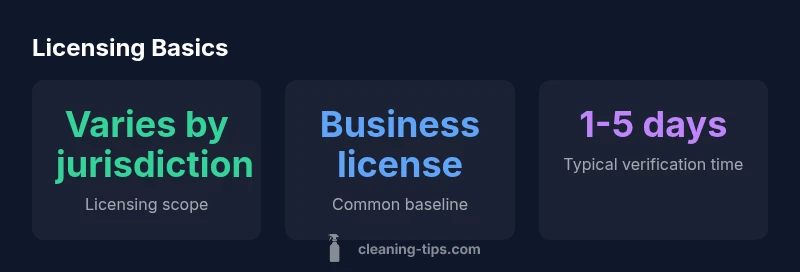
There isn’t a single statewide license specifically for pool cleaning in Florida. Do you need a license to clean pools in florida depends on the service and locale. Most cleaners must register their business, obtain a general business license, and carry liability insurance; more specialized work (installation, major renovations, or pesticide use) may require a licensed contractor or pesticide applicator credential. Always verify with DBPR and your city or county.
Do You Need a License to Clean Pools in Florida? The Regulatory Landscape
The question do you need a license to clean pools in florida doesn’t have a one-size-fits-all answer. In Florida, licensing tends to hinge on the nature of the task and where you operate. For many homeowners and DIY cleaners, the most immediate requirements are business registration, local permits, and appropriate insurance coverage. The absence of a universal statewide pool-cleaning license means that even simple maintenance work can be subject to local rules. The Cleaning Tips team emphasizes that responsible pool care often starts with confirming whether your municipality classifies your activity as a service requiring a business license or a professional credential. If you perform chemical applications, handling pool chemicals with proper safety practices is essential, but that alone doesn’t guarantee a state license. Always check with the Florida DBPR and your city to confirm the exact expectations for your situation. The broader takeaway is that compliance aims to ensure consumer protection, safety around chemicals, and proper business conduct, not merely meeting a checkbox. Responding to do you need a license to clean pools in florida requires looking at both the service scope and the local regulatory frame.
Distinguishing Between Cleaning, Maintenance, and Installation
Pool cleaning and basic maintenance cover many routine tasks: skimming debris, brushing surfaces, vacuuming, filter care, and chemical balancing. These activities are distinct from installation or major renovations, which often trigger licensing requirements. For example, some jurisdictions treat chemical balancing and surface cleaning as maintenance, while any alterations to the pool’s structure, lining, or plumbing might fall under contractor licensing. When considering do you need a license to clean pools in florida, it’s critical to separate maintenance from repair or installation work. The line isn’t identical across counties, so confirm with your local building or code enforcement office. The Safety Data Sheet (SDS) guidance for pool chemicals provides added assurance and helps keep DIY routines safe while you navigate licensing questions. Throughout, the intent is to help homeowners and DIY cleaners operate within the law while maintaining pool safety and chemical hygiene.
State vs Local Regulations: Where Licensing Comes From
In Florida, licensing often involves a layered approach: state oversight for certain professional trades and local rules for day-to-day operations. The Florida DBPR oversees professional licensing for contractors, including those involved in pools, but many pool-cleaning activities don’t automatically trigger a state license unless they cross into installation or significant repair. Local jurisdictions may require business registration, zoning clearance, or sales tax permits independent of any professional credential. If you’re asking do you need a license to clean pools in florida, you should plan to check both state-level licensing boards and your city or county clerk’s office. This dual-check approach ensures you cover all bases—licensing, permits, and insurance—while avoiding potential penalties for unregistered business activity.
Business Licensing, Insurance, and Permits You Might Need
Beyond a possible state license, responsible pool cleaners commonly need a business license, general liability insurance, and possibly workers’ compensation coverage if you hire employees. Insurance protects homeowners and cleaners against accidents or chemical exposure events. Some counties require a business tax receipt or local permit to operate legally. Pesticide or chemical-application activities may trigger separate credentials with specific safety training. When considering do you need a license to clean pools in florida, remember that the business structure (sole proprietorship, LLC, etc.) can affect licensing and tax obligations. A solid professional plan includes proactive insurance, a clear scope of work, and documented safety procedures to reassure clients and regulators alike.
How to Verify Licensing Requirements: Step-by-Step
Step 1: Identify your service scope—basic cleaning, chemical handling, or structural work. Step 2: Check the state DBPR’s resources for contractor licensing and any pool-related trades. Step 3: Contact your city or county clerk or building department to learn local licensing needs. Step 4: Verify whether you require a business license, tax permit, or sales tax registration. Step 5: Ensure insurance coverage is in place and up to date. Step 6: Keep records of all licenses, permits, and safety training. Following these steps helps answer do you need a license to clean pools in florida with clarity and reduces risk for both parties. The Cleaning Tips team recommends making licensing verification a standard part of your service onboarding.
Common Scenarios: DIY Cleaners vs Pros
DIY pool cleaners often operate without a formal contractor license, focusing on routine maintenance and chemical balancing. In such cases, a business license and insurance are the key guardrails. Professional pool cleaners who offer add-on services like pool renovations, resurfacing, or major repairs may encounter licensing requirements for contractors, specifically if the work changes the pool’s structure or plumbing. Where the line falls—do you need a license to clean pools in florida—depends on the exact services offered and where the work occurs. The best practice is to document the scope of work in a contract and verify licensing before starting any project that could trigger regulatory oversight. The Cleaning Tips approach prioritizes safety, compliance, and transparency for both homeowners and service providers.
Practical Checklist to Stay Compliant
- Confirm whether your scope includes maintenance only or structural work. If it includes installation/renovation, consult the DBPR and local agencies.
- Register your business and obtain any required local permits.
- Obtain general liability insurance and, if you have employees, workers’ comp coverage.
- Stay current on chemical-handling safety training and SDS compliance.
- Maintain a license verification log and share it with clients when asked.
- Review local ordinances annually to account for regulatory changes.
- When in doubt, pause work and ask for official confirmation from DBPR or your city. This disciplined approach helps answer do you need a license to clean pools in florida with confidence and keeps your business compliant in the long term.
License considerations by pool service type
| Service Type | Licensing Requirement | Typical Permit/License |
|---|---|---|
| Cleaning & routine maintenance | Often none at state level; may require business license | Local business permit/sales tax registration |
| Installation/renovation | Typically contractor license required | Local building permit |
| Chemical application | Possible pesticide credential (varies by locale) | Local permit or certification depending on chemicals |
Questions & Answers
Do I need a Florida state license to clean pools if I only do basic maintenance?
Generally, basic maintenance may not require a state license, but you should verify local requirements. A business license and insurance are commonly needed, and some counties may have additional rules. Always confirm with DBPR and your local authorities to avoid penalties.
If you only do basic pool maintenance, you’ll likely avoid a statewide license, but you still need to verify local rules and have proper business credentials.
What licenses are typically required for pool cleaners who do installations?
Pool installations or major renovations commonly require a contractor license at the state or local level, depending on jurisdiction. Always check with the Florida DBPR and your city to determine if a contractor license applies to your project.
Installations usually call for a contractor license—check both state and local rules.
Are pesticide applicator licenses needed for chemical pool treatments?
In some jurisdictions, applying pool chemicals may trigger pesticide-application credentials. This depends on local and state regulations. Consult DBPR and local environmental or health departments to confirm.
Chemical handling rules vary; some places require pesticide credentials for chemical pools.
How can I verify licensing quickly for a pool cleaner in Florida?
Start with the Florida DBPR’s license verification resources and then contact your city or county clerk's office for local rules. Having documented licenses helps reassure clients and prevent compliance issues.
Check with DBPR and your local city to verify licenses before work begins.
What if a cleaner operates without proper licenses—what should I do?
If you suspect unlicensed activity, report it to your local business licensing office or DBPR. Avoid engaging services that aren’t properly licensed and insured to protect yourself and your property.
If you think someone is unlicensed, contact local authorities and avoid hiring them.
“Licensing for pool cleaning is not a one-size-fits-all rule. The safest path is to verify state and local requirements before starting work, and to maintain solid documentation and insurance throughout.”
The Essentials
- Verify licensing at local level first
- Obtain business license and insurance as baseline
- Separate maintenance from installation work to avoid misclassification
- Document scope and keep license records organized
- Check DBPR and local agencies for updates on requirements