How to Clean a Water Cooler: A Practical Guide
Learn a safe, practical approach to cleaning your water cooler. This 1800-word guide covers sanitizing the reservoir, spigot, drip tray, and exterior, plus safety tips and maintenance to keep water fresh.


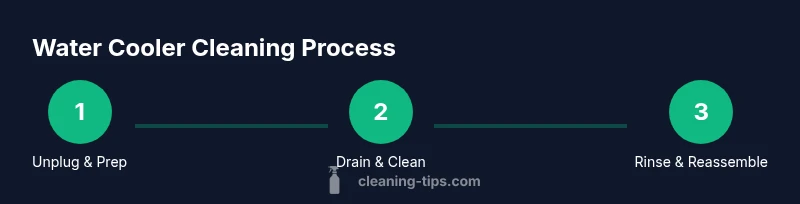
You clean a water cooler by draining and sanitizing the reservoir, scrubbing the interior and exterior components, rinsing thoroughly, and reinstalling the bottle before running fresh water. Start by unplugging, emptying, and inspecting for damage, then apply a safe cleaning solution, rinse well, and dry before use. This routine helps prevent mineral buildup, odors, and bacterial growth.
What you’ll clean and why
A water cooler is more than a container for drinking water; it is a small appliance with multiple contact points that affect water quality. The reservoir, cold/hot mixing chamber, sip/dispense nozzle, drip tray, and interior tubing can accumulate mineral deposits, mold, and biofilm if not cleaned regularly. Over time, these residues can affect taste, odor, and safety. Regular cleaning helps prevent problems, maintain hygienic conditions, and extend the life of the unit. This guide from Cleaning Tips provides a practical, step-by-step approach that works for most bottle-fed and bottleless models. You’ll also learn how to adjust for hot-water taps and multi-tap configurations, and how to avoid common mistakes that lead to incomplete cleaning. Remember: consistent maintenance beats a single deep clean, and a clean unit is a healthier home for you and your family. By following the methods outlined here, you’ll keep your water cooler performing optimally and your drinking water tasting fresh.
Safety first: before you begin
Safety matters when cleaning any appliance that handles water and electricity. Before you start, unplug the unit from the wall outlet and, if applicable, remove the water bottle. Move the cooler to a clean, accessible area with good lighting and ventilation. Gather your supplies, put on protective gloves, and read the manufacturer’s instructions for your model. If your unit has a hot-water feature, switch off the heater and allow the system to cool before you touch any components. Handling a wet machine presents hazards, so keep pets and children away. If you notice loose cords or damaged parts, stop and consult the manual or a professional.
Cleaning options: bleach vs vinegar vs commercial sanitizers
There are several sanitizing options for water coolers. A commonly used method is a mild chlorine-based sanitizing solution following product label directions. Vinegar is a natural option that can help dissolve mineral deposits and adds a pleasant odor. Commercial appliance sanitizers are designed to meet food-contact standards and can be convenient for busy households. Whichever option you choose, never mix cleaners, and never combine bleach with vinegar. Follow the label directions for dilution, contact time, and rinsing. After sanitizing, you should rinse thoroughly with clean water until no cleaning agent remains. If you opt for vinegar, you might notice a short-lived scent; this is normal and will dissipate after rinsing and air-drying. Finally, if your unit has a replaceable filter, check the manufacturer’s schedule for replacement and factor that into your cleaning plan.
Exterior and drip tray cleaning
Begin by wiping the exterior surfaces with warm, soapy water using a soft cloth. Wipe the control panel, handle, and any buttons with care to avoid moisture infiltration. Remove the drip tray (if your model allows) and wash it in warm water with dish soap; scrub stubborn mineral residue with a soft brush, rinse, and dry. Clean around the nozzle area to remove any drips or residue that can encourage microbial growth. Once dry, replace the drip tray and re-check for any loose parts before reassembling.
Cleaning the interior reservoir and lines
For bottle-fed units, interior cleaning focuses on the reservoir and the delivery lines that contact drinking water. For bottleless units, you may need to flush interior tubing more thoroughly. Add your chosen sanitizing solution to the reservoir, ensuring it reaches all interior surfaces. Run the solution through the system if possible, and let it sit for the recommended contact time (usually several minutes). Then drain completely and rinse with fresh water until the solution test shows no residual sanitizing agent.
Rinsing, reassembly, and test run
Rinse is the critical step that prevents leftover cleaning agents from affecting taste or safety. Refill the reservoir with clean water and flush through the taps several times, until the water runs clear and odor-free. Wipe any seals or gaskets dry; reinsert the bottle (if used), reconnect power, and run a short cycle to confirm proper water flow and temperature control. Finally, inspect for leaks and odors. If taste or smell persists, repeat the sanitizing cycle or consult the manufacturer’s guidance.
Maintenance, troubleshooting, and best practices
Establish a simple maintenance plan that fits your usage. Light cleaning monthly and full sanitizing every 3–6 months is a common cadence for households and small offices. Keep a log of cleanings, monitor for odor or discoloration, and replace worn seals as needed. If the unit leaks or you notice persistent odor, don’t hesitate to contact the manufacturer or a qualified appliance technician. A proactive routine saves time and protects water quality.
Authority sources and recommended practices
References from trusted agencies and educational resources help validate best practices for water-related cleaning. For further guidance on water quality and sanitation, consult the following authorities and educational resources.
Common mistakes to avoid
Avoid skipping the rinse cycle, using abrasive scrubbing tools, or leaving cleaner residues in the reservoir. Never mix cleaners, especially bleach with ammonia or vinegar, as this can create harmful fumes. Also, avoid reusing old or contaminated towels to dry parts; use clean, dry cloths to prevent re-contamination.
Eco-friendly options and maintenance plan
If you prefer eco-friendly methods, use plant-based cleaners or properly diluted household cleaners, and ensure thorough rinsing. A consistent maintenance plan helps protect water quality and reduces waste, while extending the life of your cooler.
Tools & Materials
- Safety gloves(Nitrile gloves to protect hands)
- Mild dish soap(Gentle soap for exterior and tray)
- White vinegar(Natural descaler option)
- Chlorine bleach (unscented)(Sanitizing option; follow label)
- Water for rinsing(Clean, cold water)
- Bucket or large bowl(For mixing solutions)
- Soft cloths or sponges(Non-abrasive surfaces)
- Non-abrasive brush(For nozzle and tray corners)
- Paper towels(Drying and blotting)
- Replacement bottle or cap gasket (optional)(Have on hand in case of wear)
Steps
Estimated time: 30-60 minutes
- 1
Unplug and prep
Unplug the unit and remove the water bottle if applicable. Move to a clean, well-lit workspace. Gather all tools and read the model’s manual for any model-specific notes.
Tip: Do not start cleaning if you notice exposed wires or damage. - 2
Remove bottle and drain
Carefully lift the bottle and pour out remaining water. Place a towel beneath to catch spills. If bottleless, ensure you access the reservoir without forcing any components.
Tip: Work slowly to prevent splashes and spills. - 3
Prepare sanitizing solution
Choose a sanitizer: unscented bleach or white vinegar. Mix according to label directions or use a manufacturer-recommended alternative. Pour into a bucket for easy access.
Tip: Never mix bleach with vinegar; it creates hazardous fumes. - 4
Apply solution to interior
Wipe interior surfaces with a sponge dampened in the sanitizing solution. Pay attention to corners, the reservoir lid, and any tubing access points. Allow the solution to contact surfaces for a few minutes.
Tip: Do not soak components not designed for immersion. - 5
Let sit and sanitize
Let the interior surfaces sit with the sanitizer for the recommended contact time (often several minutes). This ensures microbes are neutralized. Do not rush this step.
Tip: Set a timer to avoid under- or over-exposure. - 6
Drain and rinse
Drain the residual sanitizer completely and rinse all interior surfaces with clean water until no cleaning agents remain. Run water through the taps to flush any remaining residue.
Tip: Rinse until the water runs clear with no scent. - 7
Exterior clean and drip tray
Clean the exterior surfaces with warm, soapy water. Remove and wash the drip tray separately, then dry thoroughly before reassembly.
Tip: Dry all surfaces to prevent microbial growth in damp areas. - 8
Reassemble and test
Reattach the bottle (or reconnect line), plug the unit back in, and run several full cycles of water to clear any residual cleaning agents and test for leaks.
Tip: Check for unusual noises or leaks during the test run. - 9
Final check and maintenance plan
Inspect seals and gaskets; replace if worn. Set a maintenance schedule—monthly light cleaning and quarterly sanitizing is a common baseline. Keep a simple log for future reference.
Tip: Regular maintenance prevents costly repairs and keeps water tasting fresh.
Questions & Answers
How often should I clean a water cooler?
Most households benefit from a light clean monthly and a full sanitizing every 3–6 months, depending on usage and water quality. If multiple people or pets share the unit, consider more frequent cleaning.
Clean monthly for light maintenance and sanitize every three to six months, or more often if the cooler is heavily used.
Can I use vinegar to sanitize a water cooler?
Yes, white vinegar is a natural option for mineral buildup. Rinse well after using vinegar and allow the unit to air-dry. If odor or mineral deposits persist, switch to a bleach-based sanitizer following label instructions.
You can use vinegar to sanitize, but rinse thoroughly afterward and monitor for lingering odors.
Do I need to rinse after sanitizing?
Yes. Thorough rinsing removes residual sanitizing agents that could affect taste or safety. Run clean water through the taps several times until there’s no scent and water runs clear.
Always rinse until there’s no taste or smell of cleaner.
What should I do about persistent odor or mildew?
If odors persist after cleaning, disassemble accessible parts and sanitize again, paying attention to seals and gaskets. If the odor remains, consult the manufacturer’s guidance or a professional service.
If odor sticks around after cleaning, you may need to sanitize again or replace worn parts.
Should I replace the water filter regularly?
Yes. Check the unit’s manual for recommended filter replacement intervals. Replace filters promptly when the flow slows or the taste degrades.
Change the filter as recommended by the manufacturer to maintain water quality.
Watch Video
The Essentials
- Start with safety: unplug, drain, and inspect.
- Choose a sanitizing method and rinse thoroughly.
- Cover both interior and exterior parts for a complete clean.
- Establish a regular maintenance schedule to protect water quality.