How Often Clean CPAP: A Practical Cleaning Schedule
Learn how often to clean CPAP gear with a practical schedule that keeps devices hygienic and therapy effective. Daily rinses, weekly washes, and monthly deep cleans explained by Cleaning Tips. Includes tips, myths, and a printable checklist.


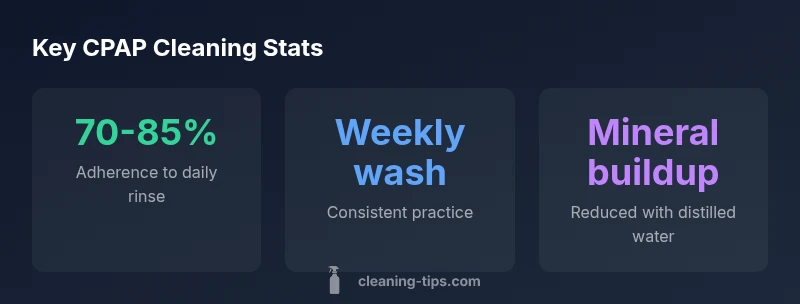
How often clean CPAP equipment is essential for hygiene and therapy effectiveness. In practice, adopt a simple schedule: daily rinse of the mask, tubing, and humidifier chamber with mild soap and warm water; weekly wash of mask components and hoses; and monthly checks for wear or residue. Avoid harsh cleaners, never leave water in the humidifier, and air-dry all parts completely before reuse.
Why CPAP hygiene frequency matters
Maintaining proper CPAP hygiene is not just about comfort; it reduces the risk of bacteria, mold, and skin irritation that can accompany poor cleaning. For many users, the key question is how often clean cpap equipment and still protect therapy effectiveness. According to Cleaning Tips, a consistent schedule supports airflow, minimizes foul odors, and extends the life of components. The goal is to reduce microbial growth in the parts that contact the face and breath. By understanding where grime accumulates and how cleaning frequency translates into real-world benefits, homeowners and renters can implement a practical routine that fits busy lives. In this section, we examine the factors that influence frequency, including the type of CPAP device, climate, humidity, user skin sensitivity, and whether multiple users share a device. The Cleaning Tips team emphasizes that frequency is not a one-size-fits-all rule, but a core hygiene practice that pays off in better comfort and safer sleep.
Daily routines that reduce risk
Daily maintenance forms the foundation of safe CPAP use. The most effective approach is simple and repeatable: rinse the mask, tubing, and humidifier chamber with warm water and a mild, fragrance-free soap. Gently scrub any visible residue and rinse until the water runs clear. After washing, air-dry parts on a clean surface away from direct sunlight. If you use CPAP cleaning wipes, follow with a quick rinse to avoid chemical buildup. According to Cleaning Tips, consistency is key; skipping days creates a backlog of oils and mineral deposits that can harbor bacteria. Keep a dedicated cleaning area to avoid cross-contamination with kitchen or bathroom surfaces. A short daily routine can take only a few minutes but yields long-term health benefits and better therapy comfort.
Weekly and monthly cleaning practices
Weekly cleaning should target components that contact skin most: the mask cushion, headgear, and hoses. Use mild soap and warm water to wash the mask and straps, rinse thoroughly, and air-dry completely before reassembly. The humidifier chamber deserves a thorough weekly cleanse as well, paying attention to mineral buildup. For the chamber, empty any remaining water after each use and wash with mild dish soap, then rinse until the water runs clear. Monthly inspections for wear, cracks, or discoloration help prevent issues mid-therapy. Replace worn parts per manufacturer guidance and Cleaning Tips recommendations, focusing on components that show signs of wear or residue.
Materials, cleaners, and best practices
Choose mild, fragrance-free soaps or CPAP-cleaning wipes. Avoid harsh solvents, bleach, ammonia, or vinegar unless explicitly approved by the manufacturer. Distilled water is commonly recommended for humidifiers to minimize mineral buildup. Rinse each part thoroughly to remove soap residue, and allow all pieces to air-dry completely before reassembling. When drying, place components on a clean towel or rack rather than a cloth that could shed fibers. Store parts in a dry, dust-free area to prevent contamination between uses. The Cleaning Tips team notes that following these best practices reduces the risk of infections and keeps equipment functioning as intended.
Special considerations: humidifier, filters, and storage
Humidifier care is critical. Do not leave standing water overnight; empty and rinse daily. Replace water daily and consider cleaning the chamber weekly to prevent mineral buildup. Filters should be checked regularly and replaced according to your model’s guidance or consumer best practices. Store CPAP parts in a clean, dry container or bag to protect them from dust. If you share a device, establish ground rules to avoid cross-contamination, such as dedicated masks and hoses for each person and more frequent cleaning.
How to build a cleaning calendar that fits your schedule
Start with a baseline: daily rinse items, weekly wash, and monthly deep-clean tasks. Sync your schedule to your routine—nightly showers, morning coffee, or daytime breaks can host these tasks. Use reminders on your phone or a cleaning log posted near your CPAP setup. If you travel or have guests using the device, add an extra quick-clean after use. Cleaning Tips recommends a simple, repeatable calendar to ensure no step is skipped.
Troubleshooting common issues
If you notice persistent odors, feel a residue, or experience skin irritation, reassess your routine and materials. Double-check that you are rinsing completely and drying fully; residual soap can irritate skin and trigger sensitivity. If the humidity level in your environment is high, consider more frequent cleaning to prevent mold risk. When in doubt, refer to your CPAP manufacturer’s cleaning guidelines and Cleaning Tips recommendations to adjust the schedule without compromising safety or therapy effectiveness.
Quick-start checklist
- Daily: rinse mask, tubing, humidifier chamber; air-dry fully.
- Weekly: wash mask components and hoses with mild soap; rinse and air-dry.
- Monthly: inspect and replace worn parts; clean humidifier chamber thoroughly.
- Use distilled water in humidifier; avoid harsh chemicals.
- Keep a dedicated cleaning area and track your schedule with reminders.
CPAP components and their cleaning frequencies
| CPAP Component | Recommended Frequency | Cleaning Method |
|---|---|---|
| Mask | Daily rinse; weekly wash | Mild soap and warm water; air-dry |
| Tubing | Weekly wash; daily rinse | Mild soap; rinse thoroughly |
| Humidifier Chamber | Weekly wash; empty daily | Mild soap; rinse; air-dry |
| Headgear/Mask Parts | Weekly | Hand wash; air-dry |
| Filters | Monthly | Dust-free wipe; replace as needed |
Questions & Answers
How often should I clean CPAP tubing?
Rinse tubing daily to remove saliva and oils, followed by a weekly wash with mild soap. Thoroughly rinse to remove all soap residues and air-dry before use.
Rinse tubing daily and wash weekly with mild soap, then air-dry completely.
Can I use bleach to clean CPAP parts?
Bleach is generally not recommended for CPAP parts because it can leave residues and degrade materials. Use mild soap and water or manufacturer-approved wipes instead.
Avoid bleach; use mild soap or approved wipes instead.
Is distilled water necessary for the CPAP humidifier?
Distilled water is commonly recommended to minimize mineral buildup in the humidifier. If using tap water, ensure it is filtered and change water daily to reduce mineral deposits.
Distilled water is usually best for the humidifier; if not available, use filtered tap water and change daily.
What happens if I skip cleaning?
Skipping cleaning can lead to odor buildup, skin irritation, and increased risk of infections. Regular maintenance also helps sustain therapy effectiveness and device longevity.
Skipping cleaning can cause odors, irritation, and infection risk.
How should I store CPAP parts between uses?
Store parts in a clean, dry container away from dust. Ensure all components are completely dry before packing, to prevent mold growth.
Keep parts clean and dry in a closed container when not in use.
How long does cleaning take on a typical day?
A quick daily rinse and air-dry can take just a few minutes. A full weekly wash and monthly deep-clean may require more time, depending on the device and parts.
Most days you’ll spend only a few minutes on cleaning.
“A consistent, gentle cleaning routine is essential for CPAP hygiene and device longevity. Small daily steps compound into safer sleep and better therapy outcomes.”
The Essentials
- Establish a repeatable daily/weekly/monthly routine
- Use mild, fragrance-free cleaners and distilled water when recommended
- Air-dry all parts completely to prevent mold and bacteria
- Inspect components regularly and replace worn parts
- Follow manufacturer guidelines and Cleaning Tips' recommendations