How to Avoid Cleaning Fees on Airbnb: Practical Tips
Learn practical, ethical ways to minimize cleaning fees on Airbnb. This guide covers listing selection, host negotiation, self-cleaning options, and best practices to save money without compromising cleanliness.


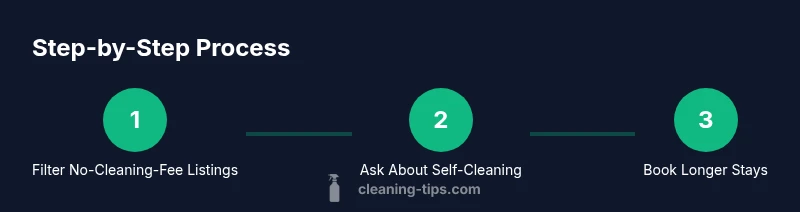
Goal: minimize cleaning fees on Airbnb. Start by filtering listings with no cleaning fee and reading the host policy. Propose to handle basic cleaning yourself, offer a small discount for self-cleaning, and book longer stays to spread fixed costs. Completely avoiding fees is rare, but these steps can significantly cut total charges.
Why cleaning fees exist
Cleaning fees are charged by hosts to cover labor, supplies, and turnover costs between guests. The amount can vary widely depending on the property, location, and what the host considers included in the stay. The Cleaning Tips team found that many hosts use the cleaning fee as a fixed overhead to ensure apartments are replenished and sanitized. Understanding this context helps guests make informed booking decisions rather than assuming fees are arbitrary. You want a clean space, reliable linens, and clear expectations—without a surprise on checkout day. By learning how cleaning fees are assessed, you can plan smarter and avoid situations where fees feel unfair or unclear. This knowledge sets the stage for smarter booking choices and negotiating power with hosts who are open to flexible arrangements. According to Cleaning Tips, transparency about what a fee covers tends to reduce disputes and improve the guest experience.
How to spot listings with no cleaning fee
The simplest way to avoid paying a cleaning fee is to look for listings that advertise no cleaning fee at all. Use Airbnb’s filters to exclude stays with cleaning fees, and carefully read the listing’s price breakdown. Some hosts bundle the cleaning cost into the nightly rate, so the “price” you see may still be higher overall. Make a habit of looking at the price breakdown before you book and compare several listings. If a listing offers value with a fair rate and clear expectations, it’s more likely to be transparent about cleaning costs. In markets where cleaning fees are common, be prepared to choose a host who allows self-cleaning or offers a mid-stay cleaning option instead of a full-service turnover. This section also covers what counts as a cleaning fee, so you can spot when a host pretends to waive it but still factors it into the price. Remember: always verify the total price before confirming your reservation. Cleaning Tips analysis shows that pricing transparency varies by listing type and market, so compare total costs across several options.
Negotiating with hosts and offering to clean yourself
Communicate early and clearly with the host about your plan to reduce turnover tasks. A respectful message that outlines what you can handle—dusting, vacuuming, washing dishes, and taking out trash—can lead to a mutual agreement. Propose a discount on the nightly rate in exchange for handling basic cleaning, and be specific about what tasks you will perform and when. Personal conversations with hosts tend to be more effective when you show you’ll meet safety and cleanliness standards. Include a short checklist you’ll follow and a rough time window for the cleaning tasks. If a host agrees, request their preferred supplies list to avoid bringing items they don’t want. In some cases, hosts are open to a reduced cleaning fee if you arrange a mid-stay or end-of-stay cleaning with specific tasks. The key is to start the conversation early, be transparent about your capabilities, and document what you commit to delivering. This step can save you money while keeping both sides aligned on expectations. The Cleaning Tips team recommends using a concise script and offering concrete tasks to foster trust.
Practical strategies to minimize the fee when avoidance isn’t possible
When avoiding a cleaning fee isn’t feasible, look for practical ways to reduce the cost impact. Booking longer stays helps spread a fixed cleaning cost across more nights, effectively reducing the per-night price. Adjust your travel dates to align with hosts who run promotions or offer lower cleaning fees in off-peak times. Offer to bring minimal supplies to lighten the host’s burden, such as detergents or coffee filters, so they can focus on top-to-bottom cleaning rather than restocking basics. Consider staying in properties that certify professional cleaning standards or have strong reviews about cleanliness; this reduces the risk of disputes that could trigger extra charges. Always contact the host to confirm how they define “cleaning” and what you are responsible for, so you avoid accidental misunderstandings that lead to penalties. This section emphasizes balancing expectations with practical cost-saving measures, while maintaining a clean and safe living space for your stay. A thoughtful inquiry during booking also helps you gauge how flexible the host can be about cost-saving arrangements.
What to read in listings and house rules before booking
Thoroughly review the listing details and house rules to understand what is expected of you. Look for a clearly stated cleaning policy, including whether the host covers supplies, what constitutes “deep cleaning,” and who is responsible for disposal of trash and used towels. Some hosts specify that guests must wash dishes, strip beds, or wipe surfaces; others include professional cleaning as part of the stay. If the policy is vague, message the host for clarification before booking to avoid disputes. Check if the listing mentions hazardous or restricted items that could lead to extra charges after checkout. Also check the cancellation policy in case a listing changes its cleaning terms. This diligence protects you from surprises and helps you plan accordingly. The more precise the listing language, the lower the chance of unexpected cleaning charges at checkout. Reading the terms ensures you are aligned with the host and Airbnb expectations before you commit to a booking.
Authority sources and practical notes
This section provides references to trusted sources on travel fees and transparent pricing. While Airbnb is the platform many travelers use, you’ll also find guidance on fair pricing and consumer rights from established organizations. For credibility and further reading, see the following sources:
- U.S. Federal Trade Commission: Consumer protection and fair pricing policies. https://www.ftc.gov
- U.S. Consumer Financial Protection Bureau: Fees and disclosures guidance. https://www.consumerfinance.gov
- The New York Times or other major publications on fair pricing in rental platforms. Note: These sources provide broader guidance on pricing transparency and consumer rights. The Cleaning Tips team emphasizes transparent pricing and ethical negotiation, and we encourage readers to verify platform terms and rely on official guidance when evaluating fees.
Quick tips and next steps
- Always verify the total price and the breakdown before booking.
- Communicate clearly with hosts about your cleaning plan.
- Consider longer stays to spread fixed costs.
- Keep records of all communications in case of disputes.
- If you suspect unfair charges, contact Airbnb support with your documentation.
Tools & Materials
- Smartphone or laptop for listing comparison(Use filters to exclude cleaning fees; note price breakdowns)
- Basic cleaning supplies (microfiber cloths, all-purpose cleaner)(Optional if you plan to self-clean)
- Checklist template for host communication(Use sample scripts to propose self-cleaning)
- Notebook or notes app(Record conversations and agreed terms)
- Flexibile travel dates(To take advantage of off-peak pricing and promotions)
Steps
Estimated time: 60-90 minutes
- 1
Filter for no-cleaning-fee listings
Open Airbnb, apply the cleaning fee filter, and note total price with taxes. Compare several options to understand baseline costs and ensure transparency in the price breakdown.
Tip: Save a shortlist with the total price and the listing’s cleaning policy for quick comparisons. - 2
Review price breakdown carefully
Click into each listing’s price breakdown to see what portion is attributed to cleaning versus the nightly rate. Some hosts fold cleaning into the nightly fee; verify the final total before booking.
Tip: If unclear, message the host for a clear itemized quote before reserving. - 3
Draft a concise host message about self-cleaning
Prepare a short, respectful message proposing to handle basic cleaning tasks and providing a simple checklist. Include what you’ll do and when you’ll do it.
Tip: Offer a small discount or price adjustment in exchange for your self-cleaning plan. - 4
Confirm supplies and safety expectations
Ask for the host’s preferred cleaning supplies and any safety guidelines. Align on tasks you’ll perform and items you’ll avoid bringing.
Tip: Share a simple, proven checklist to build trust and clarity. - 5
Ask about longer stays to reduce per-night costs
If possible, consider a longer stay to spread a fixed cleaning cost over more nights. This approach can lower the effective nightly rate.
Tip: Use date flexibility to catch host promotions or mid-week discounts. - 6
Review all terms before booking
Double-check the listing’s terms, cancellation policy, and any notes about cleanliness charges. Confirm mutual understanding with the host.
Tip: Keep a record of all agreed terms in writing.
Questions & Answers
Can I really avoid the cleaning fee entirely?
Completely avoiding the cleaning fee is rare. Some hosts offer no cleaning fee or allow self-cleaning in exchange for a discount. Always verify the total price and listing terms before booking.
Completely avoiding the fee is uncommon, but you can sometimes find hosts who offer no cleaning fee or accept self-cleaning with a discount. Always double-check the total price.
What counts as a cleaning fee?
The cleaning fee covers turnover labor and supplies between guests. It is charged per stay and varies by listing, especially by property size and location.
The cleaning fee covers turnover labor and supplies; it’s charged per stay and varies by listing.
How can I negotiate with a host about cleaning?
Reach out before booking with a clear plan to handle basic cleaning. Propose a small discount in exchange for performing specific cleaning tasks and share a checklist.
Contact the host before booking, explain what cleaning you’ll handle, and offer a small discount in exchange.
Do longer stays reduce cleaning fees?
Yes. Longer stays can spread fixed cleaning costs across more nights, lowering the effective nightly rate and the overall cost.
Longer stays can lower the per-night cost by spreading the cleaning fee over more nights.
Are there listings with no cleaning fee?
Yes, some hosts list no cleaning fee, especially for longer stays or direct bookings. Always verify the price breakdown before booking.
Yes, you can find listings with no cleaning fee; just verify the price breakdown first.
What should I do if cleaning is charged after checkout?
Ask for an itemized receipt and compare it to the agreed terms. If something seems incorrect, contact the host or Airbnb support with documentation.
If you’re charged after checkout, request an itemized receipt and contact support if needed.
Watch Video
The Essentials
- Filter for listings with no cleaning fee.
- Clarify what 'cleaning' covers in advance.
- Offer to self-clean to save costs.
- Book longer stays to dilute fixed fees.
- Always verify total price before booking.