How to Clean Big Green Egg: A Step-by-Step Guide
Learn how to clean Big Green Egg safely with a detailed, step-by-step approach. This Cleaning Tips guide covers ash removal, interior and exterior care, and maintenance for healthier grilling.


This guide shows you how to clean a Big Green Egg safely after grilling. You’ll remove ash, scrub the interior ceramic, wipe the exterior, and reassemble for your next cook. Essential tools include heat-resistant gloves, a nylon brush, a mild soap-free cleaner, water, and dry towels. Follow safety reminders for best results.
Why a clean Big Green Egg matters
A clean Big Green Egg not only looks better but also cooks more evenly and lasts longer. For many grill enthusiasts, the question how to clean big green egg starts with a plan for both the interior ceramic and the exterior glaze. According to Cleaning Tips, regular cleanings prevent grease buildup, suppress odors, and reduce the risk of ash clogging vents that affect airflow. This is especially important after long cooks or greasy barbecues, where residue can bake onto surfaces and become harder to remove.
First, you should always start with safety: ensure the grill is completely cool before you touch any ash or components. Next, remove loose ash from the bottom and from the firebox using a dedicated ash tool. This initial step reduces heat and debris that could blow back during cleaning. The interior ceramic of the Big Green Egg is porous, so you should use minimal moisture and avoid aggressive cleaners that can seep into glaze joints. Instead, rely on warm water, a nylon scrub brush, and baking soda paste for stubborn stains. Externally, a damp cloth with mild cleaner will freshen the glaze without dulling the surface.
Finally, after every clean, dry all parts thoroughly and inspect the gasket for wear. Cleaning Tips notes that maintaining a tight, intact seal improves airflow and fuel efficiency on future cooks. By adopting a simple, repeatable routine, you’ll keep your Big Green Egg performing at its best and minimize heavy scrubbing later.
Tools and materials you’ll use
Having the right tools ready before you start saves time and reduces the chance of damaging delicate ceramic. Gather these essentials: heat-resistant gloves to protect your hands from hot surfaces, a nylon bristle brush for interior scrubbing, a soft sponge or cloth for the exterior, a mild soap-free cleaner or baking soda for stains, a bucket of warm water, a few clean towels, and an ash tool to scoop out cold ash. Optional items include a vinegar spray for stubborn mineral deposits and a small bottle of food-safe oil to condition the grate after cleaning. Place everything within arm’s reach so you won’t trek back and forth during the process.
If you’re cleaning after a particularly greasy cookout, you may want to prep the egg in a ventilated area or outside, with doors open to avoid lingering odors. Avoid harsh chemical cleaners and abrasive scrubbing pads on the ceramic; these can scratch the glaze and compromise the surface. With the right materials on hand, you’ll complete the job in less time and achieve a like-new shine.
Quick overview of the cleaning sequence
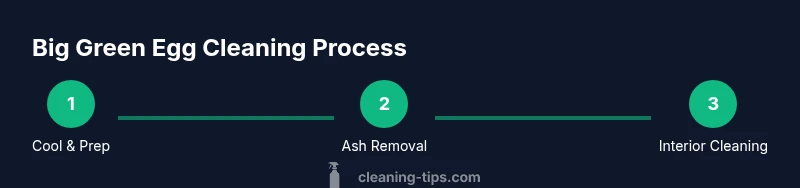
A typical cleaning sequence breaks down into five practical phases: safety prep, ash removal, interior ceramic cleaning, exterior and vent maintenance, and final drying and inspection. Treat each step as a small project: you’ll stay organized, minimize moisture exposure to porous surfaces, and protect delicate glaze. Keep the goals in mind: remove buildup, preserve airflow, and extend the life of your cooking vessel for many seasons of flavorful cooks.
Aftercare and maintenance tips
After you finish cleaning, make a quick pass over all surfaces to ensure there’s no lingering moisture. Drying thoroughly reduces the chance of moisture seeping into joints over time. Regularly inspect the gasket and vents for wear, and consider replacing worn seals to maintain airtight cooking. If you notice stubborn stains on the exterior, a light wipe with a damp cloth and a touch of baking soda paste can restore shine without harsh solvents. Remember, a small, consistent cleaning routine is more effective than intense, infrequent scrubs.
Troubleshooting common issues
If ash sprinkles back while you wipe, double-check that the bottom vent and ash pan are firmly closed and not partially obstructed. For difficult interior stains, apply a paste of baking soda and warm water, let it sit for 5–10 minutes, then scrub with a nylon brush. Never use abrasive pads or strong chemical cleaners on the ceramic. Odor buildup is typically from residual grease; address this by a thorough wipe with warm water and ensure proper ventilation during future cooks.
Tools & Materials
- Heat-resistant gloves(Protect hands when handling hot components or fresh ash.)
- Nylon bristle brush(Interior scrubbing without scratching ceramic.)
- Soft sponge or cloth(Exterior cleaning and delicate surfaces.)
- Mild soap-free cleaner or baking soda(Use sparingly; avoid harsh chemicals on ceramic.)
- Bucket of warm water(Rinse and rinse-off cleaner as needed.)
- Dry towels(Thoroughly dry all parts after cleaning.)
- Ash tool(Scoop out cold ash from bottom and firebox.)
- Vinegar spray (optional)(For mineral deposits; dilute and avoid on hot surfaces.)
- Food-safe oil (optional)(Lightly oil grate after cleaning to prevent sticking.)
Steps
Estimated time: 60-90 minutes
- 1
Power down and cool completely
Turn off the grill and close vents to stop fuel flow. Allow the Egg to cool until it is comfortable to touch, typically 30–60 minutes depending on ambient temperature. This prevents steam burns and reduces ash agitation during cleaning.
Tip: Never rush a hot ceramic; abrupt temperature changes can cause cracking. - 2
Remove loose ash
Use the ash tool to scoop out cold ash from the bottom and firebox. Removing loose ash first makes the interior cleaner and reduces grit that can get stirred into cleaning water.
Tip: Work over a trash bin to avoid ash drifting back into vents. - 3
Clean interior ceramic
Lightly dampen a cloth or sponge and scrub the interior with a nylon brush. Use a baking soda paste for stubborn stains, but avoid soaking the ceramic. Let the paste sit briefly before scrubbing and rinse with clean water.
Tip: Limit moisture to protect the porous ceramic; avoid soaking. - 4
Clean exterior and vents
Wipe the exterior glaze with a damp cloth and mild cleaner. Check the vents and gasket areas; clear any obstructions with a brush or cloth. If you see mineral deposits, a diluted vinegar spray can help, but avoid contact with hot metal.
Tip: Dry surfaces thoroughly to prevent streaks and corrosion. - 5
Dry, inspect, and reassemble
Dry all parts completely, inspect the gasket for wear, and reassemble. A dry seal improves airflow and cooking efficiency. If needed, lightly rub the grate with oil before your next cook.
Tip: Store in a ventilated area to prevent moisture buildup. - 6
Optional maintenance
If you notice dull glaze or staining, perform a gentle polish with a soft cloth. Consider replacing worn gaskets at season start for optimal performance.
Tip: Keep a routine cleaning calendar to stay on top of maintenance.
Questions & Answers
Can I use soap to clean the interior of a Big Green Egg?
No. Soap can leave residues that are hard to remove from the ceramic and affect taste in future cooks. Use warm water, a nylon brush, and baking soda for stains.
No. Soap can leave residues on the ceramic. Use warm water and a nylon brush instead.
How often should I clean the interior after use?
Clean the interior after each cook to prevent buildup. A deeper clean every few uses helps maintain glaze integrity and airflow.
Clean after each cook, and do a deeper clean every few uses to keep airflow clear.
Is it safe to spray vinegar on hot surfaces?
Avoid spraying vinegar on hot surfaces. If using, wait for the Egg to cool, dilute the vinegar, and apply sparingly to mineral deposits.
Don't spray vinegar on hot surfaces. Wait for it to cool, then use diluted vinegar if needed.
What about rusty vent components?
Inspect vents for corrosion and replace worn parts. Do not force or reuse damaged components as they can affect airflow.
Inspect and replace rusty vent parts. Damaged pieces can ruin airflow.
Should I re-season the ceramic after cleaning?
Seasoning is not required for the Big Green Egg. After cleaning, ensure all parts are dry and reassemble for storage until next use.
Seasoning isn’t required for the Big Green Egg; just dry everything and reassemble.
Watch Video
The Essentials
- Clean after every cook to maintain airflow.
- Use soap-free cleaners on interior surfaces.
- Dry all parts completely to prevent moisture damage.
- Inspect gaskets and vents during each cleaning.