How to Clean Zima Dental Pod: A Practical Guide
Learn how to safely clean your Zima dental pod with everyday items. This comprehensive guide covers safety, frequency, tools, a detailed step-by-step process, and maintenance tips from Cleaning Tips.


This guide shows you how to clean a Zima dental pod safely and effectively, using common household items and a simple, repeatable process. You’ll learn when to clean, what tools to gather, and a step-by-step method that minimizes residue and odors without damaging the pod. Cleanliness supports your oral health, device longevity, and overall hygiene.
What is a Zima Dental Pod and Why Clean It?
A Zima dental pod is a compact component used in modern dental care routines to hold cleaning solution, aid in modular maintenance, or support a hygienic cycle depending on the model. Over repeated use, minerals, saliva residues, and tiny food particles can accumulate on the pod surface and in crevices. This buildup can lead to odors, reduced cleaning effectiveness, and potential contamination of the device. According to Cleaning Tips, regular attention to small devices in daily life helps prevent biofilm formation and keeps hygiene at a high standard. In this guide, we explain practical steps to clean the pod without risking damage to seals, coatings, or connectors. Our approach emphasizes accessibility, using common household supplies, and a repeatable routine you can adapt to your schedule. The goal is a clean, odor-free pod that performs consistently and supports your family’s oral health.
Safety First: Understanding Materials and Contamination Risks
Before you begin, review the materials and any manufacturer warnings. Avoid harsh chemicals like chlorine bleach or abrasive products that can crack plastics or strip seals. Most Zima dental pods are made from smooth, non-porous plastics that tolerate mild soap and isopropyl alcohol in small amounts, but always check your model’s guidelines. Contamination risk isn’t just about visible debris; microfilms can form in tiny crevices, making sanitization important. When in doubt, opt for gentle cleaners and discontinue if you notice discoloration, cracking, or leaks. This section also covers how to handle cleaning if someone in your home has severe allergies or sensitivities, ensuring safe practices and proper ventilation while cleaning. Cleaning Tips emphasizes using a well-ventilated workspace and protective gloves when handling cleaners.
Cleaning Frequency: How Often Should You Clean?
The frequency of cleaning depends on usage, how often you sip or rinse, and whether shared equipment is involved. As a general rule, aim for a quick wipe-down after each use and a deeper clean on a weekly or biweekly cadence for most households. If you share the pod with others or notice any odor, discoloration, or buildup, increase the frequency. Cleaning Tips analysis indicates that establishing a predictable routine is more effective than sporadic cleaning, helping you maintain a higher standard of oral hygiene and device performance. Keeping a simple checklist can help you stay consistent.
Preparing Your Workspace and Materials
Set up a clean, dry workspace away from food and pets. Gather a mild dish soap, warm water, a soft-bristled toothbrush, a microfiber cloth, and a small brush or cotton swabs for tight areas. Optional disinfectant like 70% isopropyl alcohol can be used sparingly if the pod’s surfaces tolerate it; always dry completely before reassembly. Clear containers, towels, and a timer will help you manage steps and drying times. This preparation reduces the risk of cross-contamination and makes the cleaning flow smoother. Through careful setup, you can perform a thorough clean without disruption to your daily routine.
The Clean-In-Place Method vs. Disassembly
Some models allow in-place cleaning, while others require partial disassembly to access crevices. If your pod design permits, you can perform a careful clean while it remains attached to the base, but be mindful of water exposure to connectors. In most cases, a partial disassembly to expose joints or seals provides a more thorough cleaning without compromising safety. Always consult your device manual before loosening parts. This section outlines safe disassembly guidelines, including checking for fragile seals and avoiding forceful prying.
Step-By-Step Cleaning Process at a Glance
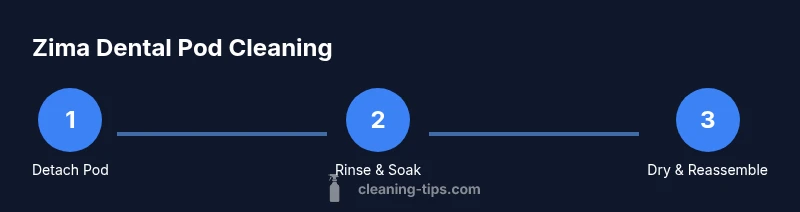
The formal, detailed steps are provided in the STEP-BY-STEP block below, but here’s a quick overview to help you plan: detach or access the pod, rinse, soak, scrub, rinse again, disinfect if needed, dry completely, reassemble, and run a test rinse. This overview mirrors real-world practice and is designed to keep you moving without confusion. Remember to work in a clean environment and to keep kids and pets away during the process.
Common Mistakes to Avoid
Common errors include using hot water that warps plastic, scrubbing with abrasive tools, or bypassing drying times. Skipping disinfection or rushing through steps can leave residues that harbor bacteria or cause odors. To prevent these issues, follow the provided steps closely, use gentle tools, and let surfaces air-dry fully before reuse. If you notice persistent residue, revisit the cleaning steps and consider a longer soak or a second pass with gentle scrubbing.
Drying and Reassembly: Ensuring Odor-Free Reuse
Thorough drying is essential to prevent microbial growth and must be completed before reinsertion. Wipe surfaces with a microfiber cloth, then let the pod air-dry on a clean rack or towel for at least 10–15 minutes, depending on air humidity. Reassemble carefully, ensuring any seals are seated correctly and there is no moisture trapped in joints. A final gentle wipe and air-dry do a lot to prevent musty odors and ensure the pod is ready for use. Cleaning Tips recommends setting a drying timer as part of your routine.
Long-Term Care and When to Replace
Even with regular cleaning, components can wear over time. Inspect the pod for cracks, persistent odor, or discoloration. If you see any of these signs, replace the pod or consult the manufacturer for guidance. Store the pod in a dry, temperature-stable place away from direct sunlight. A simple maintenance habit—regular cleaning, proper drying, and mindful storage—extends the life of your pod and contributes to consistent performance. The Cleaning Tips team also notes that replacing worn parts at recommended intervals helps maintain hygiene standards over the long term.
Tools & Materials
- Soft-bristled toothbrush(gentle action for crevices and surfaces)
- Microfiber cloth(for drying and polishing surfaces)
- Mild dish soap(dilute in warm water)
- Warm water(not hot, to avoid deforming plastics)
- Cotton swabs or small brush(for tight spots)
- Isopropyl alcohol (70%+)(for disinfection, if pod tolerates it)
- Latex-free gloves(protect hands and reduce residue transfer)
- Timer(track soak/dry times)
- Small container or bowl(for mixing soap solution)
Steps
Estimated time: 30-40 minutes
- 1
Remove the pod from the device
Power down the unit if applicable and gently detach the pod from its housing. Inspect for visible debris or residue before you begin cleaning. This initial check helps you tailor the cleaning approach and avoid trapping dirt during rinsing.
Tip: Lay the pod on a soft surface to prevent scratches. - 2
Rinse the pod with warm water
Hold the pod under a lukewarm stream to remove loose particles. Avoid hot water, which can warp or dull plastics. A quick rinse is a critical first step that makes the next stages more effective.
Tip: Do not use high-pressure streams that could force debris into seals. - 3
Prepare a mild cleaning solution
In a small container, mix a few drops of mild dish soap with warm water. The solution should be sudsy but not frothy, which ensures gentle cleaning without leaving sticky residues.
Tip: Use a dedicated cup to avoid cross-contamination with food residues. - 4
Soak the pod in the solution
Submerge the pod in the soapy water for 5–7 minutes to loosen stubborn buildup. Soaking helps dissolve mineral deposits and biofilm without aggressive scrubbing.
Tip: If the pod has intricate channels, rotate it to expose all surfaces. - 5
Gently scrub with soft tools
Use the toothbrush and soft brush to gently scrub the exterior and accessible interior surfaces. Target crevices and any visible residue, using light pressure to avoid damaging coatings or seals.
Tip: Avoid abrasive scrubbers that can scratch plastic. - 6
Rinse thoroughly again
Rinse under clean, warm water until no soap remains. Residual soap can attract more dirt and irritate the mouth if left behind.
Tip: Check joints and seals for any remaining soapy film. - 7
Disinfect (optional)
If your pod tolerates alcohol-based disinfectants, wipe with isopropyl alcohol (70% or higher) or use a manufacturer-approved solution. Let air dry fully before proceeding.
Tip: Do not soak in alcohol for extended periods; 1–2 minutes is usually enough. - 8
Dry completely and inspect
Pat dry with a microfiber cloth, then air-dry on a clean surface for 10–15 minutes. Inspect for any remaining moisture or residue before reassembly.
Tip: Moisture left inside joints can lead to mold growth. - 9
Reassemble and insert back into device
Carefully place the pod back into its housing, ensuring seals are seated and connectors align. Wipe any residual moisture from exterior.
Tip: Take a moment to verify proper fit to prevent leaks during use. - 10
Run a test rinse
If supported, perform a short rinse cycle to verify cleanliness and proper functioning. Stop if you notice any leaking or unusual sounds.
Tip: Listen for unusual noises that may indicate misalignment.
Questions & Answers
Can I use bleach to clean a Zima dental pod?
No. Bleach can degrade plastics and seals. Use mild soap and a manufacturer-approved disinfectant instead. Always follow the device manual for approved cleaners.
Bleach is not recommended for Zima dental pods. Use mild soap and a manufacturer-approved cleaner instead.
How often should I clean the pod?
Clean after regular use, with a deeper clean weekly or biweekly depending on usage and whether the pod is shared. If odor or residue appears, clean sooner.
Clean after each use and perform a thorough clean on a weekly or biweekly basis as needed.
Is isopropyl alcohol safe for disinfection?
Isopropyl alcohol is acceptable on non-porous surfaces in small amounts and when allowed by the model’s guidelines. Ensure the pod is completely dry before reuse.
Yes, 70% or higher isopropyl alcohol can be used in small amounts if the pod tolerates it, and it must dry fully.
What if there is stubborn residue that won’t come off?
Soak longer, use a soft brush, and re-check compatibility of any cleaners. Avoid forceful scrubbing that could scratch the surface.
If residue persists, soak a bit longer and try a soft brush; don’t scrub hard.
Can I clean the pod while it’s still attached to the device?
Detach the pod to minimize exposure to moisture and to access all surfaces safely. If your manual allows, you can do a gentle clean in place but avoid water near connectors.
It’s safer to detach first; clean carefully if the manual allows cleaning in place.
When should I replace the pod?
Replace if you notice cracks, persistent odor after cleaning, discoloration, or leakage. Follow the manufacturer’s replacement guidance.
Replace the pod if you see cracks or persistent odors after cleaning.
Watch Video
The Essentials
- Inspect the pod before cleaning
- Use mild soap and warm water
- Scrub gently with non-abrasive tools
- Dry completely before reuse
- Establish a regular cleaning cadence