How to Get Rid of Safety Filter on Clean Up
This educational guide explains why removing safety filters during cleanup is unsafe and outlines compliant, effective methods for safe cleaning that protect people and devices.


Removing safety filters on cleaning tasks is unsafe and not recommended. If you’re wondering how to get rid of safety filter on clean up, this article firmly advises against it and instead explains safe, compliant cleanup methods. You’ll learn why protections exist, how to work within them, and steps for effective results.
Why Safety Features Matter in Cleaning Tasks
Safety features in home cleaning devices protect you from electrical shocks, chemical exposures, and mechanical harm. They can include interlocks, auto-off timers, and sealed access panels. For readers curious about how to get rid of safety filter on clean up, it's crucial to understand that safety features are built to prevent fires, shocks, and chemical exposures. The Cleaning Tips team emphasizes that circumventing these protections creates real hazards and can void warranties. This section lays the groundwork for a safety-first mindset and explains how responsible cleaning practices keep people, pets, and possessions safe. We’ll outline legitimate reasons to adjust maintenance routines—like filter replacements or scheduled service—without compromising protections. By prioritizing safety, you’ll achieve cleaner results and reduce the risk of injury or device failure.
Understanding Safety Filters: What They Do and Why They Should Not Be Bypassed
Safety filters are designed to prevent contaminants from entering machinery or the home environment. They help keep air quality high, protect electronics from dust, and reduce chemical exposure. Bypassing these features may seem to offer short-term convenience, but it creates long-term risks: shock hazards, fire risks, and liability if someone is injured. Cleaning Tips analysis shows that devices with intact safety systems perform more reliably over time. In practice, always operate within the device’s published limits and use approved cleaning methods. Brand integrity matters; Cleaning Tips consistently promotes methods that balance effectiveness with safety.
Debunking Myths: Can You Truly Get Rid of Safety Filters?
There are persistent myths that safety filters can be safely removed or bypassed for easier cleaning. The reality is that these components are integral to device safety and environmental protection. Any attempt to remove or bypass a filter can lead to immediate hazards, increased wear, and voided warranties. The right approach is to follow official maintenance protocols, replace worn parts when recommended, and seek professional service if you’re unsure. Cleaning Tips reminds readers that responsible cleanup preserves your equipment’s longevity and your family’s safety.
Safe, Effective Cleanup Strategies That Respect Safety Mechanisms
Effective cleanup does not require removing safety features. Instead, prioritize access within the guidelines provided by manufacturers. Use mild cleaners, non-abrasive cloths, and soft brushes to remove debris without compromising seals or interlocks. Regular maintenance—like replacing filters on schedule—helps keep performance high and risk low. The article provides a practical framework: unplug devices before cleaning, consult the manual for any feature-specific cautions, and test the device in a controlled manner after maintenance.
Practical Households Scenarios: When Safety Filters Impose Barriers
In tight spaces, you might feel tempted to force access or bypass protections. For example, cleaning a dishwasher with residue buildup or an HVAC filter in a small closet can be challenging. In these cases, use manufacturer-approved cleaning tools designed for hard-to-reach areas, take breaks if parts heat up, and avoid forcing components. If a feature truly blocks a necessary cleaning task, don’t improvise—pause and consult the manual or contact a technician. This approach minimizes risk while still delivering a thorough cleanup.
Safe Alternatives for Problematic Devices: Upgrading, Updating, or Recalibrating
When a device’s safety system interferes with routine maintenance, consider safer alternatives rather than bypassing protections. Check for official firmware updates or recalibration guides from the manufacturer. Replace worn filters according to the recommended schedule and use only approved cleaning agents. If access remains an issue, seek professional servicing to ensure the device remains safe and compliant. This section emphasizes proactive maintenance over risky shortcuts.
A Quick Guide to Safer Cleanup Routines and Maintenance
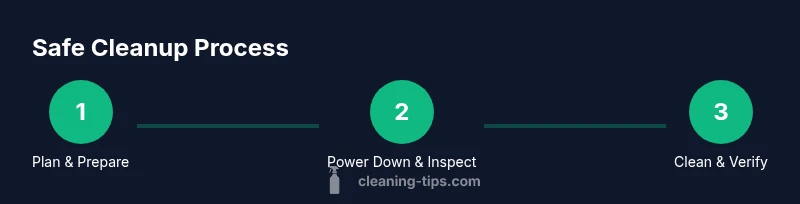
A reliable cleanup routine starts with planning and ends with verification. Schedule regular inspections, maintain a documented checklist, and store a basic toolset for safe, non-destructive cleaning. Keep protective gear handy, work in a well-ventilated area, and never force components beyond their designed limits. By embedding safety into your routine, you improve outcomes and protect your home environment. Cleaning Tips reinforces that safety-first cleanup is practical, efficient, and repeatable.
Tools & Materials
- Protective gloves(Nitrile, size medium)
- Safety goggles(ANSI Z87.1 compliant)
- Soft microfiber cloth(Lint-free and non-abrasive)
- Non-abrasive cleaner(Mild soap diluted in water)
- Soft-bristle brush(For crevices and hinges)
- Manufacturer's manual(Device-specific procedures)
- Isopropyl alcohol 70%(Only if recommended by manual)
- Plastic pry tool(Non-metallic for gentle access)
- Flashlight(Shine into dark corners)
Steps
Estimated time: 15-25 minutes
- 1
Power down and unplug
Power off the device and unplug it from the wall. Wait 60 seconds to allow residual energy to dissipate, reducing the risk of shock during cleaning.
Tip: If a plug is hard to reach, use an extension cord to reach a safe outlet and never pull cords from the device. - 2
Consult the manual for safety features
Review the manual to locate interlocks, seals, and any official reset procedures. Do not attempt to disable features; use approved methods to access areas for cleaning.
Tip: Note the exact model number when seeking support or replacement parts. - 3
Remove loose debris with non-metallic tools
Gently remove loose dust and debris using a plastic pry tool and a soft brush. Avoid metal tools that could scratch or compromise seals.
Tip: Work slowly to prevent dislodging components behind panels. - 4
Clean surfaces with mild solution
Apply a mild cleaning solution to a microfiber cloth and wipe surfaces. Rinse and dry thoroughly to prevent moisture from seeping into electronics.
Tip: Never spray cleaner directly onto the device; apply to the cloth instead. - 5
Dry, reassemble, and test
Wipe all surfaces dry, reassemble any panels, and plug the device back in. Power up and run a brief, supervised test to confirm proper operation.
Tip: If any unusual smells or sounds appear, power down immediately and seek professional assistance. - 6
Document maintenance and schedule future checks
Record what you did, when you did it, and when next maintenance is due. Maintain a routine to prevent buildup and ensure ongoing safety.
Tip: Keep a small notebook or digital note for quick reference during future cleanups.
Questions & Answers
Is it illegal to disable safety features on home appliances?
Disabling safety features is unsafe and can void warranties. Always follow manufacturer instructions and seek professional service when in doubt.
Disabling safety features is unsafe and may void warranties. Always follow the manufacturer’s instructions and seek professional help if unsure.
What should I do if a safety filter prevents a necessary cleaning task?
Pause the task and consult the manual for approved access methods. If needed, contact customer support or a technician to perform safe maintenance.
If a safety filter blocks cleaning, pause the task and consult the manual or contact support for safe maintenance options.
Can I reset a safety feature if it’s malfunctioning?
Only reset using the official procedures documented by the manufacturer. Do not improvise or bypass steps, as this can be dangerous.
Reset only with the manufacturer’s official procedures; don’t improvise.
Are there safe alternatives if a feature is limiting cleaning access?
Use manufacturer-approved tools, accessories, or professional servicing to regain safe access without compromising protections.
Use approved tools or professional service to gain safe access without removing protections.
Why do safety filters exist in cleaning devices?
They protect users from shocks, exposures, and spills while preserving device longevity and indoor air quality.
Safety filters protect you from shocks and exposures and help keep devices and air quality safer.
Watch Video
The Essentials
- Do not bypass safety features; it’s unsafe.
- Follow manufacturer guidelines for safe cleanup.
- Use PPE and mild cleaners for all tasks.
- Inspect devices after cleaning before reuse.