How to Know If My Background Check Is Clean: A Practical Guide
Learn how to verify your background check is clean, understand common report sections, dispute errors, and protect your privacy with a step by step process.


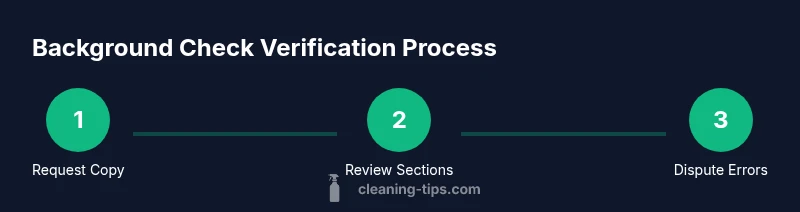
In this guide you will learn how to know if your background check is clean by reviewing the report for accuracy, confirming no adverse items, and disputing errors. Start by obtaining your copy from the screening agency, verify identity and dates, and track disputes. Clean checks reflect accurate, current data and transparent reporting.
What a clean background check means
A clean background check means your report shows no disqualifying items and that the information is accurate, current, and fully disclosed to you. In practice, this means there are no criminal records, judgments, or employment gaps that would raise red flags for most employers. However, a so called clean report is not a guarantee; errors and outdated entries can slip in. According to Cleaning Tips, the value of a clean report lies in data integrity and transparency, not merely the absence of negative findings. As you review, keep in mind that some roles require additional checks like credential verification or reference checks, and employers may interpret data differently based on context. The goal is to understand exactly what the report says and to resolve anything that could be misread or misclassified.
What is typically reviewed in a background check
Most background checks cover several core areas. Criminal history includes felonies, misdemeanors, and pending charges where allowed by state law. Driving records may surface traffic violations or at fault accidents. Education and employment verification confirms claimed degrees and job titles. Identity verification ensures your name and date of birth match official records, and address history helps confirm where you have lived. Some roles also require professional license verification or specialty checks. Understanding these sections helps you spot anything unusual and prepare for disputes if needed.
How to access your report legally and securely
Under applicable laws such as the Fair Credit Reporting Act, you are entitled to request your own background check and receive a copy directly from the screening company. Access is typically provided via a secure online portal or a PDF you can download. If you cannot locate your report, contact the agency with your identifying information and a government ID. Keep in mind that some employers may still request a fresh report after you apply, so know the timing windows for your situation. Always verify that you are viewing the correct report and that the data belongs to you.
Reading your report: key sections explained
Start with personal identifiers to confirm spellings and aliases match your records. The next sections usually cover criminal history, public records, and address history. Employment and education verification confirm you held the roles and earned the degrees listed. Inquiries show who requested your report recently. Each item should include dates and sources. If something looks off, compare with your records and gather supporting documents such as school transcripts, pay stubs, or court documents. This careful review makes it easier to spot errors before they escalate.
Common errors that can appear even when the report seems clean
Even a seemingly clean report can include mistakes. Identity confusion with a similar name can misattribute records. Outdated addresses or jobs that were completed long ago may not reflect current status. Inaccurate birth dates or wrong social security number digits can appear if data is mixed up. Records from a different person with the same name can show up in the wrong state or jurisdiction. These issues are solvable with a structured dispute process.
What to do if you find errors or discrepancies
If you spot an error, initiate a dispute through the reporting agency's official channel and provide supporting documents. Include a brief explanation of why the entry is wrong and attach copies of verification documents. Do not rely on third party sites for amendments. After you submit the dispute, monitor progress and respond promptly to any requests for additional information. Corrections may take several weeks, depending on the agency and type of entry.
Maintaining privacy and monitoring your background data
Protecting your information starts with limiting data sharing and reviewing who has access to your report. Consider setting up annual freezes or alerts with major screening vendors so you know when new data appears. Maintain a personal log of all reports you request, including dates and contact details. Regular checks help ensure ongoing accuracy and reduce the risk of future errors affecting opportunities.
Tools & Materials
- Copy of your background check report (PDF or secure online access)(Ensure it matches the report you are reviewing and note any discrepancies)
- Government issued ID(Used to verify your identity when requesting a report)
- Contact information for the screening agency(Needed to reach out about disputes or questions)
- Personal records (transcripts, licenses, travel records)(Helpful when disputing incorrect entries)
- Notebook or digital tracker(Keep a log of dates, submissions, and responses)
Steps
Estimated time: Estimated total time varies; initial review can take 1–2 hours, disputes may take several weeks depending on the agency and the complexity of the entries.
- 1
Gather your personal information
Collect your full legal name, any aliases, date of birth, and current contact information. This ensures you fetch the correct report and prevents cross filing with someone else who shares your name.
Tip: Have your ID handy to verify identity during the request process. - 2
Request your report copy
Access the background check portal or contact the screening agency to request your report. If you cannot log in, use the help desk to recover access. Ensure you request the most recent report.
Tip: Request the latest version to avoid reviewing outdated data. - 3
Confirm the report’s authenticity
Log into the official portal and confirm you are viewing your own data. Look for a reference number and the issuing agency name to verify legitimacy.
Tip: Never share login credentials or authorize access on unknown sites. - 4
Review each section for accuracy
Read through personal identifiers, criminal history, employment and education verification, and address history. Note any entries that look incorrect or outdated.
Tip: Create a simple checklist to track each section. - 5
Identify potential errors
Mark entries that could belong to someone else with a similar name, or items that are old or not relevant. Collect supporting documents.
Tip: Gather transcripts, court documents, or employer records as evidence. - 6
Initiate a formal dispute
Submit a dispute through the agency using the official form. Attach evidence and provide a concise explanation of why the item is incorrect.
Tip: Follow the agency's instructions precisely to avoid delays. - 7
Track the dispute progress
Keep a record of submission dates, reference numbers, and any correspondence. If you don’t hear back within the stated window, reach out for a status update.
Tip: Set calendar reminders for check-ins. - 8
Verify corrections and inform requested parties
Once the agency updates the report, review the corrected entries. If needed, share the updated report with employers or recruiters as part of the hiring process.
Tip: Confirm that the final version is accessible to you and your future employers.
Questions & Answers
What does a clean background check mean for job applications?
A clean background check typically means there are no disqualifying items such as criminal records that would affect employment. It also implies the data is accurate and up to date. However, employers may interpret data differently based on context and the role.
A clean background check usually means there are no disqualifying items and the data is accurate, but interpretations can vary by role.
Can a background check still be flagged after it shows clean?
Yes. Even a clean report can contain errors or missed entries. For example, a misattributed record or outdated information can appear as a discrepancy. It is important to review and dispute any items that seem inaccurate.
Yes, errors can appear even if the report is clean, so review for accuracy and dispute anything wrong.
How long does a dispute take to resolve?
Disputes vary by agency but can take several weeks. You should monitor the status and respond promptly if the agency requests more information. Plan around this timeframe when applying for jobs.
Disputes can take a few weeks; stay proactive and respond quickly to requests for information.
What if the report is not mine or contains someone else’s data?
If you suspect data belongs to someone else, contact the screening agency immediately to halt processing and start a dispute. They will verify your identity and correct any cross filing.
If the data seems wrong or belongs to someone else, reach out to the agency right away to fix it.
Are background checks the same for all employers?
Background checks can vary by state and by job type. Some roles require additional checks like licenses or credential verification. Employers may have different thresholds for what is considered acceptable data.
Checks can differ by state and job type, and some roles require extra verifications.
Do background checks differ by state or job type?
Yes. State laws vary, and some positions require more in depth checks or specific verifications. Always review the job's screening requirements and understand how the agency handles local records.
Yes, checks vary by state and job, so know what is required for your situation.
Watch Video
The Essentials
- Request your report early and review it carefully
- Verify every detail for accuracy and relevance
- Dispute any errors through official channels promptly
- Keep organized records of all correspondence and outcomes
- Plan ongoing monitoring to catch new entries