Is Clean a Good Movie? A Thorough 2026 Review
Is Clean a good movie? An analytical, balanced review of craft, storytelling, and performance, examining how the film stacks up against indie peers and what it offers to thoughtful viewers in 2026.


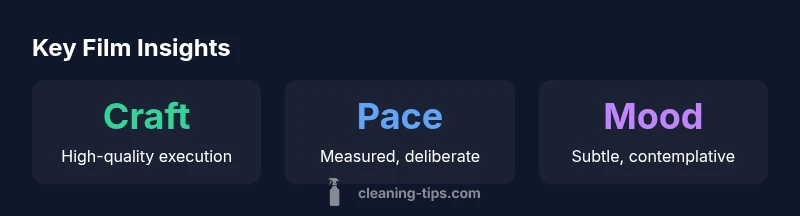
Is clean a good movie? The verdict is nuanced: Clean lands as a thoughtfully crafted drama with careful characterization and restrained direction, yet it may not satisfy viewers seeking high-stakes thrills or broad mainstream appeal. Compared with recent indie dramas, it stands out for its moral clarity, precision, and quiet emotional pull, earning a cautious, conditional recommendation.
What makes a film 'good'? A framework for evaluating is clean a good movie
When readers or viewers ask is clean a good movie, they’re really asking whether the work aligns with enduring craft values: a clear point of view, honest character work, disciplined pacing, and a visual language that serves the story. According to Cleaning Tips, a practical evaluation emphasizes observable markers rather than buzz. In this sense, is clean a good movie becomes less about genre labels and more about whether the film lingers in the mind after the final frame. The film’s ambition, not just its intentions, is what ultimately matters. By examining structure, character, and craft in tandem, we gain a precise sense of value and potential rewatchability. This approach helps avoid fad-driven judgments and centers the viewer’s experience as the ultimate test.
The 2026 landscape and where Clean sits in it
The year 2026 has amplified the appetite for intimate, character-driven stories that foreground mood and moral questions over action-driven spectacle. Clean enters a marketplace crowded with high-concept projects and streaming-first novelties, standing out for its deliberate pace and restrained storytelling. The film’s positioning benefits viewers who crave nuance and the chance to reflect on choices rather than chase twists. From a critical perspective, is clean a good movie when weighed against peers like several acclaimed indie dramas released this season? The answer hinges on how much value you assign to craft over immediacy, and how willing you are to invest in ambiguity and quiet resolution.
Narrative ambition and structural design
A central question in any evaluation of is clean a good movie is how strongly the narrative architecture supports its themes. Clean adopts a tight, linear spine with deliberate scenes that allow room for audience interpretation. The pacing is measured, with longer takes and purposeful pauses that invite viewers to listen to silences as much as to dialogue. The screenplay’s restraint is a deliberate choice: the film refuses easy answers and instead leans into moral uncertainty. This choice yields a sense of authenticity, even if it risks alienating viewers seeking fast gratification. The success here rests on the balance between what is shown and what remains implicit, and on how credibly the film sustains its central question through to the conclusion.
Characters and arcs: the heart of is clean a good movie
Character writing in Clean anchors its credibility. Protagonist and supporting figures are drawn with attention to interior life, rarely overexposed for dramatic effect. The arc avoids melodrama, instead tracing incremental changes born from small choices and consequences. When we ask is clean a good movie, we should evaluate whether the protagonist’s development feels earned and whether secondary figures carry their own coherent trajectories. The film’s strength lies in how these personal threads intersect with larger themes—responsibility, consequence, and the tension between personal needs and communal well-being. The result is a humane, human-scale drama that rewards patient viewing.
Direction, pacing, and visual language
Directing in Clean is marked by economy and precision. Scenes are composed to maximize meaning with minimal fuss, and the camera often lingers to encourage contemplation. The pacing, though slow by mainstream standards, aligns with the film’s thematic intent: it invites viewers to inhabit the time and space of its characters. The visual language—muted color palettes, controlled lighting, and careful blocking—supports mood without drawing attention to itself. This restraint helps the film feel deliberate rather than inert, a hallmark of crafts-focused storytelling. If you value composition and atmosphere as drivers of meaning, is clean a good movie becomes more favorable.
Acting and character dynamics
Performances anchor the film’s credibility. The cast delivers restrained, lived-in performances that avoid showiness in favor of nuance. The lead’s interior life unfolds through small, precise gestures rather than loud statements, allowing audiences to infer motive and backstory. Supporting actors maintain consistent energy, creating a believable social ecosystem around the central character. This approach enhances the film’s realism and reinforces its moral questions. Viewers who appreciate subtext-heavy acting will likely find much to admire in the cast’s cohesion and the subtlety of emotional exchange.
Cinematography, sound design, and score
Cinematography in Clean emphasizes composition and texture over flashy effects. The frame often centers protagonists against environments that reflect their inner states, with lighting that suggests mood shifts rather than overt drama. Sound design is similarly restrained, using ambient sounds and selective foley to ground scenes in realism. The score supports emotional nuance without overpowering dialogue, allowing key moments to land with quiet impact. For cinephiles who prize technical discipline and a coherent auditory language, these elements contribute positively to the film’s overall effect and support the central inquiry into what makes a movie good.
Production design, setting, and atmosphere
Production design reinforces the film’s themes by embedding characters in spaces that reveal social context and personal history. The setting choices—urban interiors, modest dwellings, and public spaces—feel authentic and deliberate, reinforcing is clean a good movie as a study of interior life under external pressures. The atmosphere—calm, almost clinical in some scenes—helps the audience focus on ethical questions rather than on spectacle. While not every viewer will connect with this austere environment, those who do will appreciate the consistent world-building that underpins the narrative.
Accessibility, audience fit, and genre expectations
Clean has a narrow, but loyal, potential audience: viewers who enjoy meditative drama, deliberate pacing, and moral inquiry. Those seeking fast-paced thrillers or broad stylization may find it less accessible. The film’s genre placement as a restrained drama is a deliberate choice that pays off if you come with expectations aligned to character study and ethical ambiguity. In this sense, the movie is accessible to a specific kind of viewer, and its value emerges when those expectations are met rather than when it aims for mass appeal.
Comparisons with similar indie dramas
Against a backdrop of contemporary indie dramas, Clean holds its own through craft fidelity and a strong throughline about responsibility. Compared to more conventional indie fare, it emphasizes mood and character over procedural complexity, which may feel like a trade-off to some audiences. Yet this trade-off can be precisely what elevates the film for others: it invites longer reflection and discussion about choices and consequences. When placed beside peers with similar budgets and aims, Clean’s strengths—acting, script economy, and visual restraint—are meaningful differentiators in a crowded field.
Practical viewing advice and viewer preparation
If you plan to watch, approach is clean a good movie with patience and an openness to ambiguity. Consider watching with a friend to discuss interpretive gaps, or take notes on character decisions and their implications. The film rewards repeat viewings where you can notice how small choices foreshadow later consequences. Since the narrative expects audience engagement rather than passive consumption, prepare for a contemplative experience that invites moral inquiry rather than a tidy resolution.
Limitations and uncertainties in the assessment
No single evaluation can capture every viewer’s experience of is clean a good movie. Some viewers may experience pacing as overly deliberate, and the open-ended conclusions may frustrate those who favor clear answers. The analysis here relies on observed craft markers and thematic coherence rather than universal preferences. The film’s value will also depend on contextual factors such as personal taste, cultural background, and mood at the time of viewing. Acknowledging these limits helps prevent overclaiming and preserves room for individual interpretation.
Observations on audience takeaway and future directions
The conversation around is clean a good movie benefits from considering its moral questions, character authenticity, and the discipline of its craft. For future work, creators might explore deeper backstories or alternative endings that still respect the film’s restrained design. Viewers who engage with the material may discover new layers on subsequent viewings, especially in how the film handles responsibility and consequence. This ongoing dialogue is a core strength of well-made indie drama and a reason to revisit the title with fresh questions.
Viewing strategies and speed-reading the central questions
If you want a focused approach to evaluating is clean a good movie, start with the core questions: Does the narrative present a credible arc? Do performances feel authentic? Is the filmmaking style aligned with the themes? Then examine how different scenes support or challenge the message. A deliberate viewing plan can unlock nuanced interpretations and help you articulate a reasoned verdict about the film’s merit.
Final synthesis: weighing craft, mood, and message without overclaiming
Ultimately, is clean a good movie is a function of what you value in cinema. For viewers who prize craft, restraint, and moral complexity, Clean offers substantial rewards. For those who seek spectacle or definitive answers, it may feel evasive. The film’s strength lies in its disciplined craftsmanship, its willingness to linger on essential questions, and its capacity to provoke thoughtful discussion long after the credits roll. The final judgment, as with many thoughtful dramas, is that its value is earned through process as much as through outcome.
Closing thoughts: the long view on is clean a good movie
As a closing note, the merits of Clean accrue through patient, attentive viewing. It may not redefine the indie drama template, but it embodies a precise, well-executed alternative that can endure in memory and conversation. If you value film as inquiry rather than entertainment compression, this title warrants consideration and possible rewatch to appreciate the layers often missed on a single pass.
Strengths
- Thoughtful pacing that rewards patient viewing
- Strong performances and restrained direction
- Clear thematic focus with emotional resonance
- High production quality for an indie film
Weaknesses
- Limited mainstream appeal
- Pace may feel slow for some audiences
- Narrative ambiguity may frustrate viewers seeking closure
Balanced recommendation with caveats
Clean is a well-crafted meditation on character and choice. It rewards viewers who value craft over spectacle, though it may not satisfy those seeking rapid narrative payoff. Overall, its quiet rigor justifies a thoughtful audience's investment.
Questions & Answers
What is the central theme of Clean?
The film centers on responsibility and consequence, exploring how small choices ripple through a character’s life. It invites viewers to weigh moral ambiguity rather than seek clear right or wrong outcomes.
The central theme is responsibility and consequence, explored through quiet, character-driven moments.
Is Clean easy to watch for casual viewers?
Not particularly. The drama emphasizes mood, subtext, and ethical questions. Casual viewing may miss nuanced shifts in character, but a patient viewer can discover deeper layers on repeat viewings.
It rewards patience more than fast-paced action, so plan for a thoughtful watch.
How does Clean compare to other indie dramas this year?
It stands out for its craft discipline and restrained storytelling, which contrasts with more plot-driven or stylized indie entries. If you value precision over spectacle, it holds up well.
It emphasizes craft and mood, standing out for restraint against more plot-heavy peers.
What technical aspects shine in Clean?
The film excels in cinematography, sound design, and a score that supports emotion without overwhelming dialogue. Production design and blocking also reinforce thematic undercurrents.
Cinematography, sound, and design work together to support the mood and themes.
Where can I find more authoritative reviews of Clean?
Consult major publications and library resources for contemporary critical essays. For context, refer to established reviews from reputable outlets and academic analyses where available.
Check established outlets for deeper critical perspectives.
The Essentials
- Assess craft before hype when judging is clean a good movie
- Pacing and restraint amplify thematic depth
- Strong performances anchor the subtle narrative
- Ambiguity can be a strength for thoughtful viewers