Professional Clean Sofa: Expert Guide to Deep Cleaning
Learn to achieve a professional sofa clean at home with step-by-step prep, fabric-aware methods, stain treatment, and aftercare. This guide from Cleaning Tips covers safety, best practices, and maintenance to extend sofa life.


Goal: Learn how to achieve a professional clean sofa, including preparing furniture, selecting the right cleaning method, and what to expect from a service visit. This guide covers fabric types, stain approaches, safety, and aftercare so you can hire or perform a high-quality clean with confidence, at home or on-site.
Why a professional clean sofa matters
According to Cleaning Tips, a professional sofa clean can remove deep-seated dirt, allergens, and odors that home methods may miss. When a sofa is cleaned by trained technicians, fabric fibers are refreshed, cushions regain support, and overall indoor air quality improves. A professional approach also helps safeguard fabric integrity, especially for busy households with kids, pets, or frequent entertaining. The Cleaning Tips team found that many stains that seem permanent respond better to professional techniques, reducing the likelihood of recurring odors. By investing in a professional clean sofa, you extend the life of your furniture, protect your investment, and create a healthier living space for your family. This article will guide you through fabric considerations, methods, preparation, stains, aftercare, and selecting a trusted service.
Assessing your sofa fabrics and cleaning needs
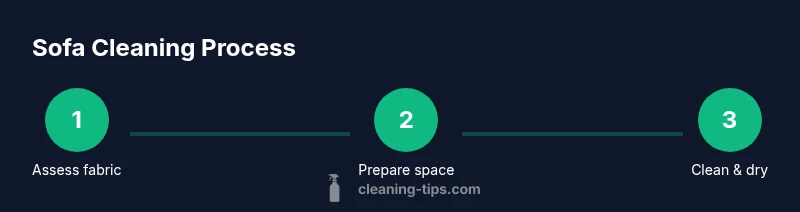
Sofas come in a range of fabrics, from cotton and linen to synthetic blends, velvet, and leather. Each material has its own cleaning code, care requirements, and risk profile. Start by locating the manufacturer’s care label and researching the fabric type. Patch testing in an inconspicuous area is essential to confirm colorfastness and fabric compatibility before applying any cleaner. For mixed fabrics or unknown materials, a professional assessment is especially valuable. According to Cleaning Tips analysis, identifying fabric type early helps you choose the safest cleaning method and reduces the chance of dye bleed or texture damage. In this section, you’ll learn how to interpret fabric care codes, plan a safe approach, and decide when a pro should step in. This foundation minimizes risk and sets you up for a successful sofa-cleaning outcome.
Professional methods: hot water extraction vs dry cleaning
Two common professional methods are hot water extraction (steam cleaning) and dry cleaning (encapsulation or solvent-based methods). Hot water extraction is strong on dirt and oils but requires careful moisture management to prevent long drying times and mold growth. Dry cleaning minimizes water exposure and is often preferred for delicate fabrics, but it may leave residues if not executed properly. Encapsulation is another modern method that uses detergents that crystallize dirt particles for easy suction. The right choice depends on fabric type, staining, and the guidance of a trained technician. The goal is maximum soil removal with minimal fiber damage and shrinkage. Cleaning Tips emphasizes fabric-first planning, so you avoid over-wetting and protect seams or trims. You’ll see how pros tailor their approach to your sofa’s unique material and condition.
Preparing your space for a sofa cleaning
Before cleaning begins, you’ll want to clear the area, move furniture as needed, and remove fragile items. Create good ventilation by opening windows or running a fan, which speeds up drying and reduces chemical concentration in the air. Place protective coverings on adjacent surfaces and lay down towels to catch drips. Remove throw pillows and loose cushions, and store them in a clean area to prevent soiling other items. A professional will typically cover nearby wood, electronics, and upholstery with protective sheets and ensure cords are tucked away. Consistent space preparation helps technicians work efficiently and reduces risk to your belongings. Remember to patch test any cleaner and follow label directions to avoid adverse reactions. The goal is a clean workspace that supports safer, faster drying and a more thorough clean.
DIY steps that support professional cleaning
Even when hiring a pro, your preparation and follow-up can boost results. Start by vacuuming the sofa with an upholstery attachment to remove loose dirt from seams and fibers. Use a soft brush to loosen embedded soils in high-traffic areas before the cleaner arrives. Create a simple stain-prep plan for common spills like coffee or juice—apply a light amount of appropriate cleaner to a cloth and blot rather than rub. After a pro visit, you can maintain the improved appearance with routine vacuuming, quick blotting for spills, and a clean pillow arrangement. This collaboration between DIY care and professional service yields longer-lasting cleanliness and better fabric health.
Common stains and when to treat vs call a pro
Coffee, wine, and fruit juices can leave stubborn rings that require specialized cleaners and equipment. Ink and dye transfers from denim can bleed if treated incorrectly. For pet accidents, enzyme-based cleaners are effective but must be used according to label directions. Persistent stains, strong odors, or fabrics with special care codes should be handled by a professional to avoid color bleeding, fiber damage, or moisture-related issues. If you notice discoloration, persistent odor, or lingering moisture after a cleaning, seek professional assistance to ensure safe and thorough remediation. The right approach preserves fabric integrity and prolongs sofa life.
Aftercare and preventive maintenance
Drying is the most crucial phase after a professional cleaning. Increase air circulation with fans or a dehumidifier, and avoid closing windows or covering cushions until they are completely dry. When dry, rotate cushions to maintain even wear and consider a fabric protector if recommended by the technician. Regular vacuuming and prompt stain treatment help keep upholstery looking new between professional visits. Scheduling periodic cleanings every 12-18 months (or more often for high-traffic homes) can prevent buildup and extend the life of your sofa. By combining expert cleaning with consistent maintenance, you sustain comfort, appearance, and material performance.
Choosing a reputable service: questions to ask
Selecting a trustworthy provider is essential for outcomes you can count on. Ask about experience with your sofa fabric, certifications, insurance coverage, and the cleaning methods they intend to use. Request a pre-clean assessment and a written estimate, including drying times and warranty terms. Clarify what cleaners and solvents will be used, whether green or low-toxicity options are available, and how they handle challenging stains. Check references or reviews and confirm the technician’s availability for your schedule. A reputable service will provide transparent pricing, describe their approach, and offer post-cleaning care recommendations. This knowledge helps you make an informed choice and protects your investment.
Authority sources
For further reading on safe cleaning practices and upholstery care, consider the following authoritative resources:
- EPA Indoor Air Quality: https://www.epa.gov/iaq
- Harvard Health: https://www.health.harvard.edu
- Mayo Clinic: https://www.mayoclinic.org
Tools & Materials
- Upholstery vacuum with attachment(Remove loose dirt, dust, and pet hair from seams)
- Soft-bristled brush(Gently agitate fibers without snagging)
- White towels or microfiber cloths(Colorfast test and blot spills)
- Mild upholstery cleaner appropriate for fabric type(Check label for fabric compatibility)
- Fabric-safe stain remover(Only if recommended for your fabric type)
- Spray bottle(For pre-wetting and even distribution)
- Fabric protector (optional)(Apply after complete drying if advised)
- Drying rack or elevated surface(Promotes airflow for faster drying)
Steps
Estimated time: 60-120 minutes
- 1
Assess fabric and patch test
Identify fabric type and care labels. Conduct a patch test in an inconspicuous area using the chosen cleaner to confirm colorfastness and fiber compatibility. If color transfer or damage occurs, stop and seek professional guidance.
Tip: Always patch test first; even professional cleaners can affect delicate fabrics. - 2
Clear area and move furniture
Move chairs, coffee tables, and breakable items away from the sofa. Create space for technicians and ensure airflow. Remove loose cushions so technicians can access all surfaces.
Tip: Enlist a helper if possible to relocate cushions and protect surrounding items. - 3
Pre-treat stains with appropriate product
Apply a small amount of cleaner to the stained area using a cloth, then blot from the outside in to prevent spreading. Allow a brief dwell time per product label before cleaning.
Tip: Avoid scrubbing; blotting minimizes fiber damage and dye migration. - 4
Set up equipment and ventilation
Open windows or use a fan to maintain air flow. Place towels to catch drips and protect nearby surfaces. Ensure cords are out of the way to prevent tripping.
Tip: Good ventilation speeds drying and reduces chemical odor exposure. - 5
Apply cleaning method according to fabric
Choose hot water extraction, encapsulation, or dry foam based on fabric type, stain severity, and manufacturer guidance. Follow label directions and avoid excessive moisture.
Tip: Do not mix cleaners; select a method that suits the fabric you’re cleaning. - 6
Extract and rinse as needed
Use the appropriate extraction technique to remove soil and cleaner residues. Wipe with a clean cloth and monitor moisture levels to prevent over-wetting.
Tip: Work in sections to ensure even cleaning and complete extraction. - 7
Dry thoroughly and inspect
Allow ample time for drying. Use fans or dehumidifiers if needed. Re-check fabrics for remaining stains or odors and address promptly.
Tip: A fully dry sofa resists mildew and odor retention. - 8
Aftercare and maintenance
Replace cushions, brush the fibers lightly, and consider fabric protection if recommended. Schedule follow-up cleaning as needed based on wear and usage.
Tip: Regular maintenance improves long-term appearance and lifespan.
Questions & Answers
What is considered a professional sofa cleaning?
A professional sofa cleaning uses specialized equipment and cleaners tailored to fabric types to remove deep soils, allergens, and odors. Technicians assess fabric, choose the safest method, and perform thorough extraction and drying.
A professional sofa cleaning uses specialized equipment and cleaners for your fabric to remove deep dirt and odors, with proper drying to prevent mold.
Can I clean my sofa myself instead of hiring a pro?
DIY cleaning can work for light soils on sturdy fabrics, but professionals are best for delicate materials, stubborn stains, and thorough extraction. They optimize safety and outcome with fabric-specific methods.
DIY cleaning can help with light soils, but pros handle delicate fabrics and tough stains for the best results.
How long does it take for a sofa to dry after professional cleaning?
Drying times vary with fabric and ventilation, typically ranging from several hours to a full day. Quick drying is aided by good airflow and dehumidification.
Drying usually takes a few hours to a day depending on fabric and airflow.
Will cleaning a leather sofa require different steps?
Yes. Leather requires conditioning and cleaners designed for finished hides. Water-based cleaners can cause damage, so use leather-safe products and test a small area first.
Leather needs special care and conditioners; avoid water-based cleaners on leather.
Is there any risk of shrinking or color fading?
Improper products or excessive moisture can cause color bleeding or fiber damage. Patch testing and following professional recommendations minimizes these risks.
There is a risk if you use wrong cleaners or soak the fabric too much.
How often should I schedule professional sofa cleaning?
Most homes benefit from professional cleaning every 12-18 months, with higher-traffic rooms needing more frequent visits.
Typically, every 12-18 months, more often in busy households.
Should I ask for green cleaning options?
Yes. Request eco-friendly cleaners and low-VOC formulations when available to reduce chemical exposure and environmental impact.
Ask for eco-friendly cleaners and low-VOC options when possible.
What questions should I ask a sofa cleaning service before booking?
Ask about fabric certifications, insurance, drying times, pricing, warranties, and whether a pre-clean assessment is provided.
Ask about certifications, insurance, drying times, and a pre-clean assessment.
Watch Video
The Essentials
- Patch test fabrics before cleaning
- Choose the correct method for your fabric
- Ventilate and dry thoroughly after cleaning
- Consider professional cleaning for tough stains