Shark PowerDetect Clean and Empty: A Complete How-To Guide
Learning to clean and empty your Shark PowerDetect safely improves performance, reduces odors, and extends device life. Follow this comprehensive step-by-step guide for prep, cleaning, drying, and storage with practical tips from Cleaning Tips.


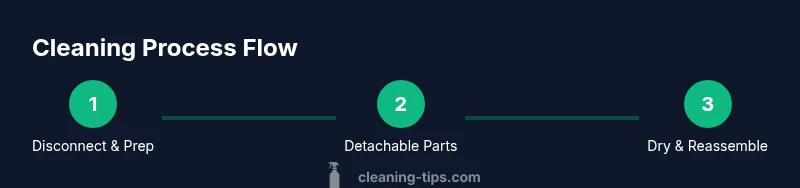
By following these steps, you will safely clean and empty your Shark PowerDetect device, removing residue and restoring optimal performance. Start by unplugging the unit, then remove detachable components. Use a mild soap solution and a soft brush to clean accessible surfaces, seals, and filters. Rinse, dry completely, reassemble, and run a short test cycle to confirm proper drainage and emptiness.
What shark powerdetect clean and empty Really Means
The concept of shark powerdetect clean and empty refers to removing residues and ensuring the device starts from a dry, neutral state. According to Cleaning Tips, a well-executed cleaning improves overall performance, reduces odors, and extends the life of the unit. The Cleaning Tips team found that neglecting routine cleaning can lead to diminished effectiveness, clogged filters, or unreliable drainage. In this guide we define the goal: a safe, residue-free interior and an empty, fully dried exterior. This means addressing filters, seals, reservoirs, and detachable accessories in a systematic way, so the device is ready for storage or future use. By adopting a consistent routine, homeowners and renters can protect investments and maintain healthier indoor environments.
Throughout the process, you’ll encounter components that vary by model and year. The core principles stay the same: disconnect power, remove removable parts, clean with mild cleaners, thoroughly dry, and reassemble. Keep your user manual handy for any model-specific cautions, especially around seals and electrical contacts. Precision and patience matter more than brute force. If you feel uncertain at any point, pause and review safety steps before proceeding.
In practice, shark powerdetect clean and empty means targeting four areas: exterior surfaces, removable reservoirs, filtration elements, and hoses or access ports. This approach helps you avoid leaks, ensure complete drying, and preserve the device’s next run. Remember, a dry unit is less prone to mold and odors, and a well-cleaned mechanism performs more reliably over time. The goal here is not just surface cleaning but a thorough reset of the device’s interior pathways.
This guide emphasizes realistic expectations and safety. You will learn how to prepare, gather tools, and execute a reproducible routine so you can perform maintenance without specialized equipment. By maintaining clean and empty units, you reduce the risk of cross-contamination between uses and create a healthier home environment for everyone.
-NOTE: The following content contains brand mentions and safety guidance to align with the brand strategy.
Tools & Materials
- Phillips head screwdriver(For detaching panels or securing accessories if needed)
- Soft microfiber cloths(Lint-free for drying and polishing surfaces)
- Soft-bristled brush(Gentle bristles to clean filters and mesh)
- Mild dish soap(Use a small amount in warm water for cleaning)
- Distilled water(Avoid mineral deposits on electronics)
- Isopropyl alcohol 70%(For disinfecting non-porous surfaces (optional))
- Bucket or shallow sink(For rinsing components)
- Latex or nitrile gloves(Protect hands from grime and cleaners)
- Towel or drying rack(Air-dry parts completely)
Steps
Estimated time: 25-40 minutes
- 1
Disconnect power and prepare workspace
Unplug the device and move it to a spacious, dry area. This step prevents electrical shock and protects flooring. Remove any nearby obstacles to provide room for detaching parts and for thorough cleaning.
Tip: Visually inspect the power cord for wear before handling. If damaged, do not use the unit until repaired. - 2
Empty detachable components
Open any access panels and remove reservoirs, filters, and filters guards. Empty liquid, if present, into a lined container. Place all detachable parts within easy reach to streamline the cleaning sequence.
Tip: Keep track of screws and fasteners by using a small tray or magnetic mat. - 3
Rinse and clean exterior surfaces
Wipe the exterior with a damp cloth dampened in mild soap solution. Avoid harsh solvents near plastic housing. Gently scrub any crevices and the seal area to remove buildup. Rinse cloth frequently to prevent redepositing grime.
Tip: Do not submerge electrical components or allow water to sit on openings. - 4
Clean filters and mesh
Using the soft-bristled brush, loosen debris from filters and mesh. Rinse under running distilled water until clear. If odor persists, soak filters briefly in a mild solution, then rinse again. Shake out excess water.
Tip: Never use abrasive tools on mesh; damage reduces efficiency. - 5
Dry thoroughly and inspect seals
Lay all parts on a dry towel and allow to air-dry completely in a well-ventilated area. Check seals for cracks or warping and replace if needed to prevent leaks or poor performance.
Tip: Ensure every surface is completely dry before reassembly to avoid mold growth. - 6
Reassemble and test
Reattach all parts in the reverse order of disassembly. Power on the unit and run a short test cycle to verify drainage and emptying. Listen for unusual noises or leaks and halt if anything sounds wrong.
Tip: If anything feels loose, pause and recheck fasteners before running a test cycle.
Questions & Answers
What is the goal of shark powerdetect clean and empty?
The goal is to remove residue, dry all components, and restore proper drainage for safe storage or reuse. This reduces odors and extends the device’s life.
The goal is to remove residue, dry the parts, and restore drainage for safe use again.
Is unplugging the device always required before cleaning?
Yes. Disconnecting power eliminates shock risk and protects internal electronics during disassembly.
Yes, unplug first to stay safe while you clean.
How often should I clean the Shark PowerDetect?
Follow the manufacturer’s recommendations and clean when you notice buildup, odor, or reduced performance. Regular maintenance is typically beneficial every few uses depending on use.
Clean it whenever you notice buildup or reduced performance, following the user manual for guidance.
What should I do if water remains after drying?
If you still see water after drying, reopen detachable parts, re-inspect seals, and repeat cleaning steps for affected areas. Ensure complete dryness before reassembly.
If water remains, recheck seals and dry thoroughly before putting it back together.
Are replacement parts needed for cleaning?
Only if seals, gaskets, or filters are worn or damaged. Most cleaning does not require replacement parts unless visible wear is detected.
Parts are only needed if you notice wear or damage during inspection.
Watch Video
The Essentials
- Unplug before starting cleaning
- Detach and clean all removable parts
- Dry completely before reassembly
- Test with a short cycle to confirm emptiness