Can You Clean with a Sponge Bath? A Practical How-To
Discover a practical sponge bath routine for clean skin, with supplies, step-by-step methods, safety tips, and guidance for seniors or limited-water situations.


Yes. A sponge bath can effectively clean the body when water access is limited, mobility is restricted, or a full shower isn’t possible. Gather a basin, warm water, mild soap, a clean sponge or washcloth, towels, and a change of clothes. Follow a gentle, head-to-toe routine, rinse well, and dry thoroughly to maintain skin health.
What is a sponge bath and when is it appropriate?
A sponge bath uses a damp washcloth or sponge to clean the body with warm water and a mild soap. It’s ideal when plumbing access is limited, when mobility is restricted, or during illness when a full shower isn’t feasible. The goal is to remove dirt, sweat, and oils with minimal water use while protecting sensitive skin. According to Cleaning Tips, a sponge bath can be a safe and effective hygiene option when water use is limited or mobility is restricted. For many households, this approach complements showering rather than replacing it. If you’re wondering 'can you get clean with a sponge bath', the answer depends on water access and skin health. Start with the face and neck, then move to underarms and torso; legs and feet come last to minimize leg fatigue. With the right tools and technique, a sponge bath delivers a thorough cleanse without full immersion.
Health and hygiene considerations
Maintaining skin health matters whether you shower or sponge bathe. Use warm (not hot) water, a mild soap or body wash, and gentle scrubbing to avoid irritation. Dry your skin promptly after rinsing and apply moisturizer to prevent dryness, especially in winter or dry climates. The sponge should be clean and replaced regularly to prevent transferring bacteria. If you have sensitive skin or a skin condition, patch-test a small area with the soap first and opt for fragrance-free products. Regular skin checks during sponge baths help catch irritations early. Cleaning Tips emphasizes using clean tools and adjusting pressure for comfort, particularly for older adults or people with limited strength.
Sponge bath vs traditional shower or bath
A sponge bath offers practical hygiene with minimal water and energy use, making it suitable for travel, temporary outages, or accessibility challenges. It isn’t a one-size-fits-all replacement for a full shower, especially when hair washing or full-body soaking is desired. A shower or bath provides deeper cleansing and hair care, whereas a sponge bath focuses on efficient, spot-clean cleansing of key areas. The decision often depends on personal needs, medical guidance, and available resources. Cleaning Tips notes that many households use sponge baths as a reliable interim method, while maintaining regular showers when feasible.
Step-by-step method for a sponge bath at home
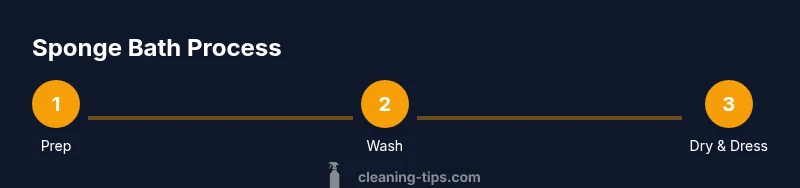
A thorough sponge bath follows a simple sequence: prep your area and supplies, moisten the sponge, apply a small amount of mild soap, cleanse the body in logical sections, rinse the sponge and body, pat dry, then moisturize. Always test water temperature on your wrist or elbow before applying it to larger areas. Ensure privacy and maintain a calm, steady pace to reduce fatigue. For caregivers, maintain a respectful, gentle touch and explain each step to the person being cleaned. This method keeps bathing safe, efficient, and comfortable while conserving water and energy.
Common pitfalls and how to avoid them
Common mistakes include using water that’s too hot, scrubbing harshly, or skipping the rinse, which can leave soap residue and irritate the skin. Another pitfall is re-contaminating a cleaned area by reusing a dirty sponge. To prevent these issues, always test water temperature, use a clean sponge, rinse thoroughly, and dry promptly. Avoid standing or bending awkwardly for long periods; take breaks as needed. If skin feels dry or irritated after bathing, switch to a milder soap and moisturize. Regularly launder towels and replace washcloths to maintain hygiene.
Adapting for different ages or mobility levels
Sponge baths work well for a range of ages, including seniors and people with limited mobility. Sit on a chair or bench, use a handheld mirror for visibility if helpful, and keep bathing sessions short to reduce fatigue. For bedridden individuals, consider a seated transfer to a sturdy chair or using a basin while lying down with assistive devices. Modify pressure and reach to respect joints and grips. Always involve the person in the process when possible to preserve dignity and autonomy.
Cleaning and sanitizing sponges and towels
After a sponge bath, rinse the sponge with hot water and a mild soap, then air-dry in a well-ventilated area. Sanitize sponges periodically with a vinegar rinse or a mild bleach solution (diluted) if color-safe, and replace them when they show wear. Launder towels separately and on a hot setting if fabric care allows. Dry towels completely to prevent mold. Regular sanitation reduces the risk of transferring bacteria between baths and protects skin health.
Quick routines for travelers or limited water scenarios
When water is scarce or access is limited while traveling, a quick sponge bath can keep you clean and comfortable. Pack a compact kit with a small basin, travel-sized soap, a washcloth, and a quick-dry towel. Use warm water from a hotel sink or bottled water option if available. Focus on cleansing key areas (face, underarms, groin, feet) and keep soap residues minimal to avoid skin irritation. This approach supports personal hygiene without heavy water use.
When to seek medical advice
If you notice persistent skin irritation, rashes, or signs of infection after sponge bathing, consult a healthcare professional. Some skin conditions or medications may increase sensitivity to cleansers or water temperature. If you have wounds or medical devices, follow specific care guidelines from your clinician. The goal is to maintain hygiene without compromising skin integrity or safety.
Authority sources
For evidence-based guidance on bathing and skin care in various settings, consult reputable sources:
- Centers for Disease Control and Prevention (CDC): https://www.cdc.gov/healthywater/hygiene/bathing/index.html
- National Institutes of Health (NIH): https://www.nih.gov/
- World Health Organization (WHO): https://www.who.int/
Tools & Materials
- basin or shallow tub(Large enough for washing areas you’ll target)
- clean sponge or washcloth(Choose a soft texture to avoid irritation)
- mild soap or body wash(Fragrance-free if skin sensitive)
- warm water(Test on wrist; avoid scalding heat)
- towels (bath and hand towels)(Keep within reach to dry promptly)
- change of clothes(Dry and comfortable outfit ready)
- non-slip mat(Helps prevent slips, especially on slick floors)
- moisturizer or lotion(Apply after drying to prevent dryness)
- clean bag or container for soiled items(Keep used washcloths separate)
Steps
Estimated time: 15-25 minutes
- 1
Prepare bathing area and supplies
Set up your basin, fill with warm water, lay out soap, sponge, towels, and a change of clothes. Ensure the space is private, comfortable, and free of clutter. This prep minimizes interruptions and keeps the routine smooth.
Tip: Double-check water temperature with your wrist before starting. - 2
Moisten sponge and apply soap
Wet the sponge and apply a small amount of mild soap. Gently work it into a soft lather to avoid skin irritation. Focus on area-specific cleansing rather than scrubbing vigorously.
Tip: Use minimal soap to prevent residue on skin. - 3
Clean one body area at a time
Start with the face and neck, then armpits, chest, arms, abdomen, legs, and feet. Rinse each section with clean water from the sponge as you go to remove soap effectively.
Tip: Wash front-to-back to reduce contamination risk. - 4
Rinse and pat dry
Rinse off soap with the dampened sponge or a new rinse cloth. Pat skin dry with a clean towel rather than rubbing, which can irritate sensitive skin.
Tip: Patting is gentler and helps prevent mini-skin tears. - 5
Moisturize and dress
Apply a fragrance-free moisturizer to damp skin if needed, then dress in clean clothes. Moisturizing helps prevent dryness and discomfort after bathing.
Tip: Check skin for redness or irritation after drying. - 6
Clean up and sanitize tools
Rinse the sponge with hot water and soap, then let it dry in a ventilated area. Launder towels and washcloths as per fabric care guidelines.
Tip: Store supplies in a dry, clean place to avoid mildew.
Questions & Answers
Can a sponge bath replace a shower entirely?
A sponge bath can supplement daily hygiene when showers aren’t possible, but it may not fully replace hair washing or full-body cleansing for everyone. Use it as a practical alternative when needed, and resume regular showers when feasible.
A sponge bath can supplement daily hygiene when showers aren’t feasible, but it isn’t a complete replacement for everyone.
Is a sponge bath safe for seniors or bedridden people?
Yes, with careful temperature control, mild products, and a seated or supported position. Adjust pressure and duration to avoid fatigue or skin irritation, and involve the person in the process as much as possible.
Yes, with careful temp control and gentle technique, and involve the person in the process.
What materials work best for a sponge bath?
A clean sponge or washcloth, mild soap, warm water, towels, and a change of clothes are the essentials. Optional items include a non-slip mat and moisturizer for comfort.
Clean sponge or washcloth, mild soap, warm water, towels, and a change of clothes are the basics.
How often should you perform a sponge bath?
Frequency depends on personal needs and health. Use sponge baths between full showers as needed, ensuring you maintain hygiene without over-washing sensitive skin.
Do sponge baths as needed between showers to stay clean without over-washing.
Can sponge baths cause skin irritation?
Yes, if harsh soaps or hot water are used. Opt for mild, fragrance-free products and test a small area first to avoid irritation.
Harsh soap or hot water can irritate skin; use mild products and test first.
How do I clean the sponge after a sponge bath?
Rinse the sponge with hot water and soap, then air-dry completely. Replace sponges regularly to reduce bacterial buildup.
Rinse with hot water and soap, then air-dry; replace sponges regularly.
Watch Video
The Essentials
- Sponge baths are feasible with limited water or mobility.
- Use mild soap, warm water, and gentle technique.
- Prepare, rinse thoroughly, and dry to protect skin health.
- Sanitize tools after each use and replace sponges regularly.