Can You Use Drain Cleaner in a Toilet? Safe, Safer Alternatives
Explore whether drain cleaners belong in a toilet, the risks involved, and safer, effective alternatives for unclogging toilets. A practical, step-by-step guide for homeowners and renters.


Can you use drain cleaner in a toilet? Generally no, because caustic cleaners can damage porcelain, seals, wax rings, and older sewer lines, and they can create dangerous fumes. Instead, start with mechanical methods like plunging or using a toilet auger, or opt for enzyme-based cleaners designed for toilets. Always read the label and follow safety precautions.
Why toilet drain cleaners are risky
Facing a stubborn toilet clog, you may wonder: can you use drain cleaner in a toilet? According to Cleaning Tips, the short answer is typically no. Toilet drainage differs from sink drains, and many chemical products are formulated for pipes under the sink, not for porcelain traps or wax rings. Harsh caustic cleaners can splash back, harming you and damaging gaskets, seals, and the wax ring that keeps the toilet sealed. Over time, repeated exposure can degrade PVC joints and rubber components, especially in older homes. If you have a septic system, chemical cleaners can disrupt beneficial bacteria, reducing the tank’s capacity to process waste. The Cleaning Tips team also notes that chemical cleaners can create dangerous fumes when used in enclosed bathroom spaces. In short, chemical drain cleaners are a last resort in toilets, and many plumbers recommend safer, mechanical methods as the first line of defense. There are safer, toilet-specific products, but even then, you must follow the label precisely. [This guidance aligns with general plumbing safety standards observed in 2026.]
Safer, effective methods to unclog a toilet
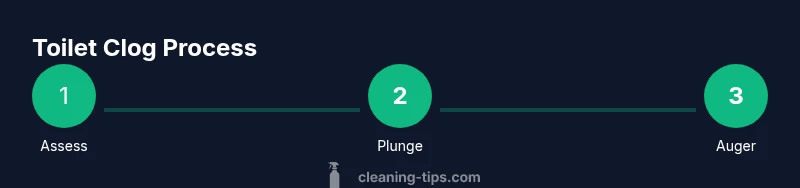
Before reaching for chemicals, try mechanical methods instead of chemical cleaners. A standard flange plunger creates a tight seal and allows you to push air and water into the drain for a dislodging effect. Use multiple firm, vertical strokes without sharp jerks. If plunging fails, move to a toilet auger (closet auger) to reach past the bend; feed the cable gently and twist as you advance. For minor clogs, a few drops of dish soap followed by hot water from a safe distance can help lubricate the pipes. Enzyme-based, toilet-specific cleaners can provide a gentler, longer-term solution, but they typically require several hours to work and are not immediate fixes. Remember, avoid mixing cleaners, wear gloves, and ventilate the bathroom. By prioritizing mechanical methods first, you reduce the risk of chemical damage and preserve the home’s plumbing.
Understanding drain cleaners: what they do and their risks in toilets
Drain cleaners come in different formulations and target different clogs. Caustic products (often sodium hydroxide) break down organic matter, while acidic cleaners rely on strong acids to dissolve mineral buildup. Enzymatic cleaners use beneficial bacteria to digest organic waste over time. In toilets, these chemicals can attack porcelain, corrode rubber seals, and degrade wax rings, leading to leaks and costly repairs. Septic systems can be particularly sensitive to chemical disruptions; even small amounts can upset the microbial balance. Another risk is gas buildup in enclosed bathrooms when chemical reactions release fumes. For these reasons, many plumbing pros recommend reserving chemical drain cleaners for sinks or showers, not toilets, unless the product is explicitly labeled for toilet use. Always weigh the potential costs against a safer, mechanical solution first.
Step-by-step approach: no-chemical first, then cautious use if necessary
The safest path starts with mechanical methods, then only consider chemical options if you follow strict guidelines. Prepare the area, put on gloves and eye protection, and ensure good ventilation. Plunge with a flange plunger, applying steady, vertical pressure for 20–60 seconds per cycle. If that fails, switch to a toilet auger and feed it gently into the drain while twisting to break through the blockage. For minor blockages, a small amount of dish soap followed by hot water can help lubricate the pipes, but do not rely on this for stubborn clogs. If you decide to use a toilet-specific chemical cleaner as a last resort, read the label carefully, pour slowly, and never mix with other cleaners. After treatment, flush with plenty of clean water to clear residues and observe if the toilet empties normally.
Safety and environmental considerations
When handling any cleaner, prioritize safety and environmental impact. Wear PPE, keep children and pets away, and ensure the bathroom is well-ventilated. Never mix chemical cleaners with other products, as dangerous reactions can occur. Many chemical formulations can damage septic systems by killing beneficial bacteria essential for waste breakdown. If your home relies on a septic tank, minimize chemical use and consider enzyme-based products that are designed to be gentler on septic ecosystems. Additionally, never use a chemical drain cleaner if the toilet is cracked or leaking, and avoid using these products in PVC exhaust lines or near metal fittings that may corrode.
Preventive practices to avoid future clogs
Preventing clogs is easier than clearing them. Use toilets as intended: one flush per use, avoid flushing paper towels, wipes (even labeled as flushable), or food remnants. Consider installing a simple hair catcher in bathroom drains and routinely inspect toilet paper quality; extremely thick or recycled toilet papers can contribute to buildup. Regular enzyme-based cleaners can help maintain a clear trap and pipe interior when used as directed, but they are not instant fixes for heavy blockages. Finally, be mindful of what goes into the toilet, and educate household members about the consequences of flushing non-flushables.
When to call a professional
If your toilet remains clogged after two thorough mechanical attempts, or if you notice slow drainage in multiple fixtures, it’s time to call a licensed plumber. A persistent clog may indicate a deeper obstruction, such as a broken sewer line, a collapsed pipe, or an issue with venting. A professional can assess with camera inspection and equipment beyond consumer tools. Professional service is especially recommended if you’re on a septic system and unsure about the impact of chemical cleaners.
Quick look: comparing methods
- Mechanical methods (plunger, toilet auger): Fast, inexpensive, minimal risk when used correctly. Best first option.
- Enzyme-based cleaners: Safer for septic systems and the environment; work over time; not a quick fix for stubborn clogs.
- Chemical drain cleaners (toilet-specific): Use sparingly and only as a last resort; potential for damage to plumbing and fumes in enclosed spaces. Always follow label directions.
- Hot water and dish soap: May help for minor blockages; not reliable for heavy clogs.
Common myths debunked
Myth: Hot water alone will dissolve blockages. Truth: Hot water can help loosen some materials but won’t clear solid clogs. Myth: All drain cleaners are safe for toilets. Truth: Many cleaners are not designed for porcelain traps and can damage seals and pipes. Myth: Enzyme cleaners are useless. Truth: Enzymes work gradually and are good for ongoing maintenance and septic-friendly households when used correctly.
Quick-start checklist for next clog
- Check for obvious non-flushables.
- Gather a flange plunger and toilet auger.
- Put on gloves and eye protection; ensure ventilation.
- Attempt plunging, then auger if needed.
- If still blocked, consider a toilet-specific cleaner as a last resort and follow label directions.
- Test flush and clean the area after the block is cleared.
Which toilet-safe products to choose
When selecting products, look for labels that specify toilet use and avoid caustic formulas unless explicitly recommended for toilets. Choose products that are toilet-safe and compatible with your septic system if applicable. Always read the safety warnings, wait times, and dosage instructions, and avoid combining products. For ongoing maintenance, consider enzyme-based cleaners designed for toilet systems to minimize risk while promoting steady performance.
What to do if you must use a chemical product (safe steps)
If you decide to use a chemical drain cleaner as a last resort, choose a product that is labeled for toilets and follow the directions precisely. Ventilate the bathroom, wear PPE, and pour slowly to minimize splashing. Do not mix with other cleaning agents, especially bleach or ammonia, as dangerous gases can form. Allow the product to sit for the recommended time, then flush with a generous amount of water to clear residues. If drainage remains slow after treatment, stop and contact a professional to avoid risk of damage to plumbing and the septic system.
Tools & Materials
- Flange plunger(Ensure it fits the toilet bowl and creates a good seal.)
- Toilet auger (closet auger)(Short, curved rod designed for toilets.)
- Rubber gloves(Waterproof; protect hands.)
- Safety goggles(Eye protection.)
- Bucket or cup for water(For rinsing or adding water slowly.)
- Dish soap(Optional lubricant for minor blockages.)
- Enzyme-based toilet cleaner(Toilet-specific, non-caustic formula.)
- Ventilation(Open window or use a fan to ventilate)
Steps
Estimated time: 60-90 minutes (plus optional waiting times for enzymes or chemicals)
- 1
Prepare and safety-check
Put on gloves and safety goggles. Clear the area and remove items from the bathroom floor. Ensure the bathroom is well-ventilated before attempting any method.
Tip: Do a quick safety check to prevent splashes and protect eyes and skin. - 2
Plunge with a flange plunger
Place the flange of the plunger into the toilet bowl and create a tight seal. Use firm, vertical strokes for 20–60 seconds per cycle, then pause and check for movement.
Tip: Keep the plunger fully submerged and avoid breaking the seal. - 3
Try a toilet auger if plunging fails
Insert the auger into the toilet and gently feed it toward the blockage while twisting. Stop if you feel resistance, then slowly retract and remove debris.
Tip: Twist while advancing to maneuver around the bend. - 4
Consider an enzyme-based cleaner
If the clog is organic and not too severe, apply a toilet-safe enzyme cleaner and allow it to work for several hours (or overnight) as directed by the label.
Tip: Enzymes work over time; do not expect instant results. - 5
When using a chemical cleaner (last resort)
Only use a product labeled for toilets. Read and follow the directions, ventilate the space, and pour slowly. Do not mix with other cleaners and wait the recommended time before flushing.
Tip: Chemical cleaners can damage pipes; use sparingly and as a last resort. - 6
Test flush and clean up
After treatment, flush multiple times with water to clear residue. If the toilet still won’t drain, stop and call a professional.
Tip: Document what was used for the plumber if you call one.
Questions & Answers
Can you use drain cleaner in a toilet?
No. Chemical drain cleaners can damage porcelain, seals, and plumbing, and may emit dangerous fumes in small, enclosed bathrooms. Safer options include plunging, using a toilet auger, or enzyme-based cleaners labeled for toilets.
No. Avoid chemical drain cleaners in toilets; use plunging or a toilet auger, or toilet-safe enzymes as safer alternatives.
Are enzyme-based cleaners safe for toilets?
Enzyme-based cleaners are generally safer for toilets and septic systems, but they work slowly and are not effective for heavy or immediate clogs. Follow the product label for best results.
Enzyme cleaners are safer for toilets, but they work gradually and may not fix big clogs quickly.
Will drain cleaners harm a septic system?
Yes. Many drain cleaners disrupt the bacteria in septic tanks, reducing waste breakdown and potentially causing system issues. Use only septic-friendly products if you have a septic system.
Yes. Chemical cleaners can upset septic bacteria; avoid them if you have a septic system.
What should I do if the clog persists after using a toilet auger?
If the blockage remains, stop attempting risky chemical remedies. Consider calling a plumber, as the issue may be further down the line or due to a more serious obstruction.
If the clog stays after using a toilet auger, it’s time to call a plumber.
Can hot water and dish soap clear a toilet clog?
Hot water and dish soap may help with minor blockages but are not reliable for stubborn clogs. They should not replace plunging or an auger.
Hot water and soap might help a little, but they won’t fix stubborn clogs.
How can I prevent future toilet clogs?
Flush less, avoid flushing non-flushables, use thinner toilet paper, and consider enzyme cleaners for maintenance. Regular maintenance helps prevent buildup.
Keep flushing sensible, avoid non-flushables, and use enzyme cleaners regularly to prevent buildup.
Watch Video
The Essentials
- Start with mechanical methods before chemicals
- Never mix cleaners with other products
- Choose toilet-specific products and follow label directions
- Ventilate the bathroom and wear PPE during treatment
- Prevent clogs with mindful flushing and routine maintenance