How to Clean a Bath Drain: A Practical Guide for Homeowners
Learn practical, step-by-step methods to clean a bath drain, prevent clogs, and keep your bathroom fresh using safe tools, easy routines, and natural cleaners when possible.


Goal: restore full drainage by removing hair, soap scum, and buildup from the bath drain. Start by removing the strainer, clearing loose debris, and scrubbing the interior with a stiff brush. Flush with hot water, then use baking soda followed by vinegar for a natural boost, or an enzymatic cleaner if needed. Wear gloves and eye protection.
Why Bath Drains Get Clogged and Why Cleaning Matters
A bath drain can slow or stop draining due to hair, soap scum, mineral deposits, and residue from personal care products. According to Cleaning Tips, regular maintenance not only helps water flow but also reduces odors and keeps pipes healthier over time. In this guide, we'll explore how clogs form and how to clean a bath drain safely and effectively, with practical steps you can do today.
Hair is the main culprit in most bathrooms; as it accumulates, it knots with soap residue and mineral scale, forming a compact blockage that narrows the drain path. Soap films trap grease and dirt, creating a sticky layer that resists water flow. Debris from shower products, bath oils, and even small objects dropped accidentally can contribute to buildup behind the strainer. The impact isn't just slower drainage; it can lead to unpleasant odors and even standing water that invites mold growth. Regular cleaning, including periodic thorough flushing, helps keep the trap and pipe clean and reduces the likelihood of complete backups.
Common Causes of Bath Drain Clogs
In most homes, the bath drain clogs come from a handful of everyday materials. Hair, soap scum, and mineral buildup are the top contributors, especially where low-flow showerheads and older pipes meet. Conditioner and bath oils leave a slippery film that traps debris, while towel fibers and small objects can slip past screens and settle in the trap. Over time, these solids bond with grease, forming a dense mass that resists flow. Cleaning Tips analysis shows that neglecting a drain screen and skipping routine maintenance greatly increases clog frequency. A clogged drain often starts as a slow drain and can escalate to a near-standstill if not addressed promptly. Preventive steps, such as routine screen cleaning and periodic flushes with hot water, can dramatically reduce the chance of a full blockage.
Safety First: PPE and Precautions
Before you begin, put on rubber gloves and safety goggles to protect skin and eyes from splashes. Work in a well-ventilated area; if you plan to use chemical cleaners, keep the door or window open and avoid mixing cleaners that release dangerous gases. Never pour bleach or ammonia-based products into the drain with other cleaners. Read labels carefully and use the least-aggressive cleaner that achieves results. If your pipes are old or PVC, avoid sustained exposure to boiling liquids and hot water that could warp fittings. If you feel dizzy or chemical odors are strong, stop, step away, and reassess your approach.
Tools and Cleaning Materials You'll Need
Gather the following tools and supplies before you start so you don’t interrupt the job. Essential items include: needle-nose pliers or tongs, a drain snake or auger, a bucket, old towels, rubber gloves, and safety goggles. You’ll also want a stiff brush, a cup or pitcher for flushing, baking soda and white vinegar for a natural boost, and a kettle or pot for boiling water. Optional but helpful: a hair catcher for future use and a flashlight to inspect the inside of the drain. Having these on hand makes the process smoother and reduces the chance of stray debris spreading.
Step-by-Step Overview
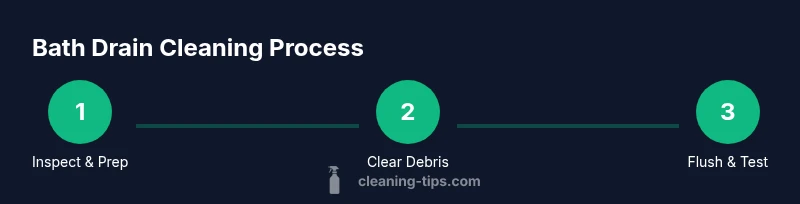
This overview highlights the key actions you’ll perform in sequence to clean a bath drain. Start with removing the drain cover and screen to access the trap. Clear visible hair and debris into a bag or trash can. If you see a clog in the P-trap, detach it carefully into a bucket to inspect for hair buildup. Use a drain snake to dislodge deeper obstructions, rotating the auger and pulling out debris as you go. Finally, flush the drain with hot water, and for a natural boost, sprinkle baking soda, then pour vinegar. Test the flow; if drainage remains slow, repeat the process or proceed to a professional assessment.
Natural vs Chemical Cleaners: Pros and Cons
Many homeowners prefer natural cleaners for safety and environmental reasons. Baking soda and vinegar create a fizzing action that can loosen light buildup and odors without harsh fumes. Enzymatic cleaners are another gentler option that break down organic matter over time and are less likely to damage pipes. Traditional chemical drain cleaners can be effective for stubborn clogs but carry risks: heat and fumes can injure skin and fumes can irritate the throat; they can also damage older PVC pipes if used improperly. If you choose chemicals, use them sparingly and strictly follow the label directions. A safer approach is to combine mechanical methods (snakes, physical scraping) with a mild natural cleaner and regular hot-water flushes.
Preventive Maintenance to Avoid Future Clogs
Establish a simple maintenance routine to keep bath drains flowing smoothly. Clean the strainer weekly to remove hair and soap scum. Use a monthly flush with hot water; for tougher buildup, apply baking soda followed by boiling water or a gentle enzymatic cleaner. Consider a hair catcher that prevents hair from entering the drain in the first place. Keep bathroom products stored away from the drain and clean the surrounding area to avoid accidental spills that can contribute to residue. Consistency is key; even a few minutes a week can significantly reduce clog frequency.
Troubleshooting: When Water Still Drains Slowly
If your drain remains slow after cleaning, reassess the trap and vent. A partially clogged trap may require disassembly to remove hair from the U-bend. A blocked vent pipe can create pressure that slows drainage; if you suspect venting problems, call a licensed plumber. Check for leaks in the P-trap joints and reassemble tightly after cleaning. If you are uncomfortable with disassembly, or if you smell sewer gas, stop and seek professional help.
Quick Daily and Weekly Routines for a Fresh Bath Drain
Daily routine: wipe down after showers to minimize residue and brush hair off the screen. Weekly: remove and clean the screen, flush with hot water, and inspect for signs of buildup. Bi-monthly: perform a more thorough cleaning with baking soda and vinegar and inspect the trap area. A small investment in time now pays dividends with fewer blockages and a fresher bathroom.
Tools & Materials
- Needle-nose pliers(For hair removal and trapping debris)
- Drain snake / auger(Dislodge deeper clogs in the drain pipe)
- Bucket(Catch water and hair when removing the trap)
- Old towels(Protect surfaces and absorb spills)
- Rubber gloves(Protect hands from dirty water and cleaners)
- Safety goggles(Shield eyes from splashes)
- Stiff brush(Scrub the interior and strainer)
- Cup or pitcher(Pour and rinse)
- Baking soda(Natural cleaner and deodorizer)
- White vinegar(Natural cleaner for odor and buildup)
- Kettle or pot for boiling water(Flush with hot water and dissolve buildup)
- Hair catcher(Optional for future prevention)
- Flashlight(Inspect dark corners inside the drain)
Steps
Estimated time: Total time: 25-40 minutes
- 1
Remove the drain cover
Use the pliers or your fingers to unlock and lift the screen. Set debris aside for disposal. This exposes the trap where most hair accumulates.
Tip: Take a quick photo of the drain setup before disassembly in case you need to reassemble. - 2
Clear visible debris
Pull out hair and soap scum from the screen and the accessible inside of the trap. Dispose of debris in a trash bag and wipe the area clean.
Tip: Work over the bucket to minimize the mess. - 3
Inspect/Detach the P-trap
If accessible, loosen the trap’s slip nuts and remove the U-bend into the bucket to inspect for hair and buildup.
Tip: Keep a towel under the joints to catch residual water. - 4
Snake the drain for deeper obstruction
Insert the snake and slowly rotate while pushing forward. When you meet resistance, pull back slightly and reel in debris.
Tip: Short, steady twists are more effective than forceful pushes. - 5
Deep clean the interior surfaces
Use the stiff brush and a mild cleaner to scrub inside the trap and exposed pipe surfaces.
Tip: Rinse with hot water to flush residues. - 6
Flush with hot water and baking soda
Boil water and slowly pour down the drain, followed by baking soda and then hot water to lift grime.
Tip: Avoid adding baking soda after vinegar in the same flush to maximize fizzing yet prevent splashing. - 7
Reassemble and test
Reconnect the P-trap, reattach the drain cover, and run warm water to test drainage.
Tip: Check for leaks around joints after a minute of running water. - 8
Optional maintenance
Install a hair catcher and perform a light weekly screen clean to prevent future clogs.
Tip: Keep a small brush handy near the sink for quick cleanups.
Questions & Answers
Is it safe to use baking soda and vinegar on a bath drain?
Yes, baking soda and vinegar is a common, safer option for light buildup. Pour the baking soda, then the vinegar, wait a few minutes, and flush with hot water. Do not mix with bleach and avoid overuse on a frequent basis.
Baking soda and vinegar is a common, safer option for light buildup. Pour the baking soda, then the vinegar, wait a few minutes, and flush with hot water.
Can I use a plumber's snake for hair clogs?
Yes. A drain snake is effective for hair and deep clogs. Feed it gently, rotate, and pull out debris. Wear gloves, and be careful not to push too hard when the pipe narrows.
A drain snake can be effective for hair clogs; rotate while feeding and pull out debris.
Will boiling water damage PVC pipes?
Boiling water can soften or warp some plastics over time. Use very hot water instead of full boiling when flushing, especially with older PVC pipes.
Boiling water can warp PVC; use very hot water instead when flushing.
How often should I clean a bath drain?
Clean the drain screen weekly and perform a deeper flush monthly. Adjust frequency based on how quickly buildup returns in your bathroom.
Clean the screen weekly and flush monthly; adjust as needed.
What should I do if the clog returns after cleaning?
If clogs recur, inspect the P-trap for persistent hair buildup and consider professional help if the drain remains slow after several attempts.
If clogs keep returning, check the trap and consider calling a plumber if needed.
Are enzymatic cleaners effective long-term?
Enzymatic cleaners are a gentler option that gradually break down organic matter. They’re good for maintenance, especially if you have frequent minor buildups.
Enzymatic cleaners work gradually and are good for routine maintenance.
Watch Video
The Essentials
- Remove hair and buildup to restore flow.
- Prefer natural cleaners when possible for safety.
- Perform regular maintenance to prevent clogs.
- If the clog recurs, consider professional help.