How to Clean Can Portable Toilets: A Practical Guide
Learn a practical, step-by-step approach to cleaning clean can portable toilets, including gear, safe cleaners, odor control, and waste disposal for homes, events, and outdoor sites.


Goal: Learn how to clean clean can portable toilets safely and effectively. You’ll gather essential supplies, prepare a cleaning area, scrub interior surfaces, sanitize and deodorize, and manage waste disposal correctly. This quick answer points you to a full step-by-step guide with safety tips, product choices, and maintenance routines for homes or events.
Why proper cleaning matters for clean can portable toilets
Portable toilets are essential for outdoor events, construction sites, parks, and remote vacation spots. When they aren’t cleaned regularly, odors become overpowering, surfaces accumulate grime, and the risk of illness increases for guests and workers. A well-executed cleaning routine reduces odor, limits bacterial growth, and extends the life of the unit by protecting seals and vents. According to Cleaning Tips, consistent sanitation not only improves user experience but also lowers maintenance costs over time. Homeowners and event organizers alike benefit from a simple, repeatable process that can be completed with common supplies. Start by setting a clear plan: pick a cleaning day, assign a dedicated workspace, and gather the right cleaner and protective gear. A calm, methodical approach helps you stay organized, avoid cross-contamination, and get through turnovers quickly. When you treat each unit with care, you’ll see fewer complaints, more comfortable users, and a cleaner environment around door handles and waste ports.
Essential cleaning schedule and setup
The best outcomes come from a predictable cleaning rhythm. For frequent-use portable toilets at events, plan a quick sweep daily and a deeper clean every 2–3 days. For long-term outdoor sites, schedule weekly maintenance with a more thorough interior scrub. Before you start, create a dedicated cleaning zone with a plastic mat or tarp, so dirt and residue don’t spread to other areas. Ensure good ventilation by opening lids and, if possible, cracking the vent lines slightly. Put on PPE — gloves, a mask, and eye protection — and assemble your kit so you can work smoothly without constant interruptions. Keep a tally sheet or checklist to mark each unit cleaned and the products used. This approach saves time on future visits and helps you catch issues such as leaks, broken seals, or clogged vents early, before they escalate into bigger problems.
Cleaning products and safety considerations
Choose cleaners designed for bathroom surfaces and for use on plastics and seals found in portable toilets. Use a bathroom-grade disinfectant that states it is effective against common bacteria and odors. Avoid mixing cleaners, especially bleach with ammonia or acids, as dangerous vapors can form. Read label directions for contact time and rinsing requirements, and test a small area if you’re using a new product. For odor control, enzyme-based cleaners can help break down waste and residues without harsh fragrances. Always keep cleaners out of reach of children and pets, and work in a well-ventilated area. After cleaning, rinse surfaces to remove any residue and dry with a microfiber cloth to prevent water spots and mold growth on damp surfaces.
Step-by-step cleaning routine for clean can portable toilets
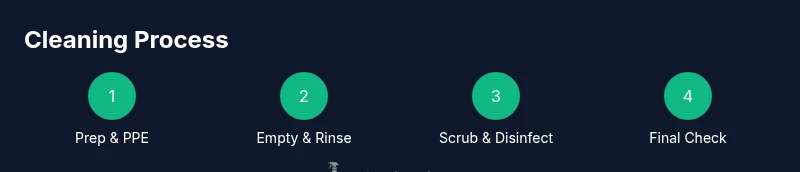
The following routine aligns with the steps below and supports clean can portable toilets for homes, events, and outdoor worksites. Start by prepping your workspace, putting on PPE, and gathering all supplies so you don’t chase items mid-clean. 1) Empty the waste tank (where applicable) and rinse the interior with clean water to remove loose residue. 2) Apply an appropriate cleaner to interior walls and the floor, then scrub corners, seams, and hinges with a non-abrasive brush. 3) Rinse again to remove cleaner and debris. 4) Spray a hospital-grade or bathroom disinfectant, allow the recommended contact time, and wipe surfaces dry. 5) Clean the exterior, door latch, vents, and wheel seals, then inspect for damage. 6) Refill deodorizer or sanitizer as recommended and conduct a quick leak check. Use a waste container for spent wipes.
Maintenance tips to prevent odors and staining
Focus on preventing odor buildup and surface staining through consistent care. Schedule a weekly wipe-down of high-touch points—door handles, latches, and vent grilles. If possible, position units in shade to reduce heat buildup that worsens smells. Use moisture-control deodorizer pouches and occasional desiccants to keep interiors dry between cleanings. Regularly inspect seals and vents for cracks or leaks, and replace worn gaskets promptly. After each cleaning, ensure the unit dries completely before sealing the lid. The goal is to maintain air flow, minimize moisture, and prevent mold growth, which is the primary driver of stubborn odors.
Tools & Materials
- Protective gloves (nitrile or equivalent)(Use thick gloves to resist cleaning solutions and waste contact.)
- Face mask or respirator(Choose a mask with organic vapor filtration if possible.)
- Goggles or eye protection(Recommended if splashes could occur.)
- Plastic bucket or tub(For rinsing and containment of liquids.)
- Spray bottle with bathroom cleaner(Label with product and date.)
- Non-abrasive scrub brush(Soft-bristle to avoid scratching plastics.)
- Microfiber cloths(For drying and wiping surfaces.)
- Disinfectant suitable for bathrooms(Follow label for contact time.)
- Trash bags and waste container(Seal used wipes and debris before disposal.)
- Desiccant or deodorizer pouches(Optional for odor control between deep cleans.)
Steps
Estimated time: 30-60 minutes
- 1
Prepare area and PPE
Put on gloves, mask, and eye protection. Set up a clean workspace with a tarp or mat to catch spills. Gather all supplies within arm's reach to avoid cross-contamination.
Tip: Wear long sleeves to protect skin and keep sleeves away from contaminated surfaces. - 2
Empty waste tank and rinse interior
If the unit has a removable tank, carefully drain it into an approved disposal area. Rinse the interior with clean water to remove loose waste and residue.
Tip: Avoid splashing; drain slowly and direct flow toward the disposal area. - 3
Scrub interior surfaces
Apply cleaner to interior walls, floor, and corners. Use a non-abrasive brush to scrub seams, corners, hinges, and door gaskets.
Tip: Don’t miss tight corners where residue can accumulate. - 4
Disinfect and dwell time
Spray or wipe surfaces with a bathroom disinfectant and allow the product to dwell for the recommended time. Then wipe away residue and let air dry.
Tip: Avoid rushing; dwell time is essential for effective disinfection. - 5
Clean exterior and seals
Wipe the exterior surfaces, door latch, vent grilles, and wheel seals. Check for cracks or leaks and perform minor repairs if needed.
Tip: A clean exterior helps odors stay contained and improves user perception. - 6
Final checks and disposal
Perform a final leak check, reseal the unit, and place fresh deodorizer if appropriate. Collect used wipes and dispose of all waste according to local regulations.
Tip: Always seal wipes and bags before disposal to prevent leaks.
Questions & Answers
What cleaning products are safe for clean can portable toilets?
Use bathroom-safe cleaners and disinfectants that are labeled for plastics and bathroom surfaces. Avoid mixing products and always follow label instructions for contact time and rinsing.
Safe cleaners should be bathroom-grade and used as directed; never mix chemicals.
How often should portable toilets be cleaned?
Frequency depends on usage. For events, clean daily or between peak periods; for long-term sites, a weekly schedule paired with mid-week spot cleans works well.
Cleaners should occur regularly based on use; adjust frequency as needed.
Is bleach safe to use in portable toilets?
Bleach can be used cautiously but never with ammonia or acids. Always follow product labels and ventilate the area.
Bleach is powerful but must be used with care and proper ventilation.
What PPE is necessary when cleaning portable toilets?
Wear gloves, a mask, and eye protection at minimum. Additional PPE is advised if splashing or splatter is possible.
Protective gear keeps you safe from chemicals and waste.
How should wastewater be disposed of legally?
Dispose wastewater according to local regulations and at designated facilities. Do not pour wastewater into storm drains or soil.
Dispose waste in approved areas to stay compliant and protect water quality.
Can portable toilets be cleaned indoors?
Indoor cleaning is generally not recommended due to ventilation and waste handling concerns. If indoor cleaning is necessary, ensure proper exhaust and containment.
Indoor cleaning should be avoided unless you have strong ventilation and containment.
Watch Video
The Essentials
- Set a consistent cleaning schedule for clean can portable toilets
- Use approved disinfectants and follow label directions
- Never mix cleaners or skip ventilation while cleaning
- Dispose of wastewater in approved areas only
- Inspect seals and vents regularly to prevent leaks