How to Find a Clean Dentist: A Practical Homeowner’s Guide
Learn how to choose a clean dentist by evaluating hygiene policies, sterilization practices, and clinic cleanliness to protect your family during dental visits.


To find a clean dentist, start by evaluating infection-control practices, instrument sterilization, and overall clinic cleanliness. Look for explicit hygiene policies, visible sterilization indicators, and up-to-date safety protocols. This quick check helps homeowners and renters protect their families during dental visits. Ask about accreditation, staff training, and cross-contamination control to confirm a true commitment to cleanliness.
Why a Clean Dentist Matters
According to Cleaning Tips, a clean dentist isn’t just about a tidy lobby; it directly affects infection control, patient safety, and trust in the care you receive. A clean environment reduces the risk of transmitting infections during procedures that involve aerosols and instrument handling. It signals that the clinic treats disinfection and sterilization as nonnegotiable, not optional. In this section we explore how cleanliness translates into safer procedures, shorter recovery times, and greater peace of mind for families making routine visits or urgent trips to the dentist. Expect a strong hygiene program to include validated sterilization processes, regular surface disinfection, clean waterlines, and honest communication about safety standards. For homeowners, this translates into practical questions you can ask before booking and simple checks you can perform during a visit.
A truly clean dentist also focuses on staff training and safe waste management. Cleaning Tips analysis shows that patients value clear hygiene policies, visible indicators of cleanliness, and a culture that prioritizes patient safety above convenience. When a practice communicates these elements openly, it reduces guesswork and increases confidence that your family is in capable hands during every appointment.
What Cleanliness Looks Like in a Dental Office
A clean dentist’s office should display a combination of visible indicators and formal processes. Look for a dedicated sterilization area with properly stored instrument packs, autoclave indicators, and sealed packaging for instruments. High-touch surfaces — chairs, light handles, doorknobs, and countertops — should be wiped with approved disinfectants between patients and at the end of the day. Hygiene does not stop at the operatory; the lobby, restrooms, and staff areas should be orderly and free of clutter, with trash bins emptied regularly. Air quality matters, too: clean vents, efficient filtration, and a routine cleaning schedule help minimize airborne contaminants. Waterlines should be maintained with documented flushing protocols to prevent biofilm buildup. A clinic that communicates these practices fosters trust, which is essential for regular preventive visits and complex procedures alike.
During a tour or phone conversation, notice whether staff appear trained in infection-control routines and whether the practice offers transparent written policies. If you cannot see their sterilization equipment or if policies are vague, it is reasonable to request more information or consider other options. A clean dentist demonstrates accountability through documentation, patient-facing explanations, and consistent cleanliness across all spaces.
How to Verify Hygiene Practices Before Booking
Before scheduling, do a quick audit of the practice’s hygiene standards. Start with the website: read the infection-control policy, sterilization methods, and disposal practices. Look for evidence of national or regional certifications or adherence to recognized standards, and note any recent inspection results or accreditation status. Call the office with a prepared checklist of questions and request a brief explanation of their sterilization workflow, including how instrument packs are opened and sterilized between patients. If a tour is possible, observe the sterilization area directly and ask to see autoclave indicators and packaging integrity. Collect brochures or PDFs of policies, and compare them across multiple practices to identify consistent levels of clarity and commitment. A clean dentist will welcome transparent dialogue and provide concrete, verifiable details rather than vague assurances. When in doubt, rely on official sources and your own observations to guide your decision.
Questions to Ask Your Dentist About Cleanliness
- What sterilization method is used for all instruments, and how is it verified between patients? Ask for details about autoclaves, indicator strips, and packaging integrity.
- How are surfaces and high-touch areas cleaned between patients, and what products are used? Request specifics on contact times and safety data.
- Do you perform routine waterline maintenance and test for contamination? How often are tests conducted and what actions follow abnormal results?
- Are disposable items used where possible, and how is reuse prevented? Seek a clear policy on sterilization and waste management.
- Can you share the clinic’s latest inspection results or accreditation status? If not available, ask how you can access them.
- How do you handle a patient or staff member with a suspected infection? What is the protocol for postponing non-urgent care?
Having a prepared list helps you evaluate hygiene consistently and make an informed choice about which dentist to trust with your family’s oral health.
What to Do If You Suspect Poor Hygiene
If you have concerns about cleanliness, document what you observe with notes or photos where allowed. Do not proceed with treatment until you have satisfactory answers and written policies. Reach out to the office with your questions in writing to get an official response. If concerns persist, consider reporting to the appropriate state dental board or public health authority. You can also seek a second opinion from another practice to compare sterilization practices and overall cleanliness. In any case, prioritize your family’s safety and choose a provider who offers transparent, verifiable safety measures. The Cleaning Tips team recommends trusting observable evidence and documented policies over promises alone.
Authoritative Sources and Practical References
- Centers for Disease Control and Prevention (CDC): https://www.cdc.gov
- American Dental Association (ADA): https://www.ada.org
- U.S. Food and Drug Administration (FDA) Dental Sterilization Guidelines: https://www.fda.gov
Tools & Materials
- Printed hygiene checklist(Checklist of sterilization, surface cleaning, waterline maintenance, and waste disposal.)
- Notebook or app for notes(Use to record observations and questions during review.)
- Pen(For marking answers and taking notes.)
- Access to internet or printed resources(To verify certifications, policies, and reviews.)
- Camera or smartphone (where allowed)(Capture observations if permitted by the clinic.)
Steps
Estimated time: 30-40 minutes
- 1
Prepare your checklist and questions
Assemble a hygiene review checklist and a concise set of questions about sterilization, surface cleaning, and waste management. This ensures you evaluate consistently across clinics and don't miss critical details.
Tip: Bring a pen and your printed checklist; consider sharing it with a partner for a second perspective. - 2
Review the clinic's written policies online
Visit the official website to read infection-control policies, sterilization methods, and disposal practices. Confirm that policies are detailed and up to date.
Tip: Note any vague language and request clarification if needed; transparency is a red flag if missing. - 3
Ask for evidence of accreditation and inspections
Request current accreditation status or recent inspection reports. Documentation demonstrates accountability and commitment to safety standards.
Tip: If they cannot share, ask how you can access these records or where they are published. - 4
Request a tour or on-site observation
If possible, observe the sterilization area, packaging integrity, and surface-cleaning routines. Look for autoclave indicators and clean, organized spaces.
Tip: Be respectful, but don’t hesitate to ask to see specific equipment or processes. - 5
Inquire about waterline maintenance and air quality
Ask how the clinic maintains dental unit waterlines and what air-filtration measures are in place to reduce aerosols.
Tip: Healthy air and clean waterlines are as important as clean instruments. - 6
Document and compare
Record each clinic’s responses and compare them side-by-side. Prioritize clinics with clear, verifiable statements and tangible practices.
Tip: Avoid clinics that offer excuses or avoid specific answers.
Questions & Answers
What counts as a clean dentist?
A clean dentist follows strict infection-control policies, uses validated sterilization methods, and maintains a tidy, well-organized environment. They provide transparency about procedures and share documentation when asked.
A clean dentist follows strict infection-control policies, uses validated sterilization methods, and keeps a tidy environment. They share documentation when you ask.
How often should a dental office be cleaned?
Dental offices should clean and disinfect high-touch surfaces between patients and perform daily deeper cleaning of surfaces, equipment, and rooms. Compliance is typically described in the clinic’s hygiene policy.
High-touch areas should be disinfected between patients, with daily deep cleaning of all spaces.
What should I ask about sterilization?
Ask what sterilization method is used for instruments, how packs are stored, and how sterilization is verified between patients. Look for autoclave indicators and documented sterilization cycles.
Ask about the sterilization method, validation indicators, and how they verify cycles between patients.
Are disposable items used where possible?
Yes, many clinics use disposable items to reduce cross-contamination. If disposables aren’t used, ask about alternative sterilization practices and waste handling.
Disposables reduce risk; if not used, ask how they sterilize and handle waste.
What certifications should I look for?
Look for national or state-level infection-control certifications, ADA guidelines, or accredited sterilization practices. Request copies of certifications and recent inspection reports.
Look for official certifications or accreditations and ask for copies.
What if I suspect poor hygiene?
If you notice consistent concerns, pause treatment, ask for written explanations, and consider reporting to a regulatory body. Seek another clinic for your safety.
If you suspect poor hygiene, pause care and seek an explanation or another clinic for safety.
Watch Video
The Essentials
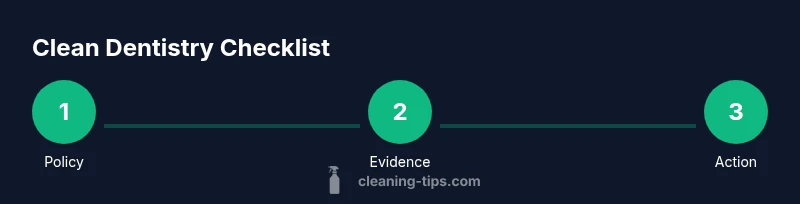
- Identify a clean dentist by clear policies and verifiable practices
- Prioritize visible sterilization indicators and open communication
- Ask for documentation such as accreditation and inspection results
- Visit or tour when possible to verify on-site cleanliness
- Compare clinics to choose the safest option for your family