Clean Grout: A Practical Step-by-Step Guide for Home
Learn how to clean grout effectively with simple, proven methods. This step-by-step guide covers DIY pastes, safer cleaners, sealing tips, and maintenance to keep bathroom and kitchen tiles looking pristine.


Learn how to clean grout effectively with a simple paste, common household cleaners, and a routine that prevents deep staining. This guide breaks down safe methods, essential tools, and when to seal grout for long-lasting results.
Why clean grout matters
Keeping tile surfaces looking fresh hinges on how well you maintain the grout lines between them. Clean grout not only improves the overall aesthetics of your kitchen and bathroom but also reduces trapped dirt, mold, and bacteria that thrive in moist, dark crevices. According to Cleaning Tips, a consistent grout-cleaning routine is a cornerstone of a healthier home. The Cleaning Tips team found that even basic maintenance—sweeping, quick spot-cleaning, and a periodic deep clean—can prevent stubborn staining and minimize the need for harsher chemicals later. When grout is neglected, it becomes a magnet for grime, odors, and moisture damage that can compromise tile integrity over time. Regular attention also helps you spot issues early, such as hairline cracks or deterioration, so you can address them before they escalate.
Common grout problems and causes
Grout is porous and can absorb stains, moisture, and oils from everyday use. Common issues include darkening from spills, mold and mildew in humid bathrooms, and efflorescence in damp areas where minerals rise to the surface. Cracking or crumbling grout often stems from routine wear, improper mixing during installation, or movement in the substrate. Some stains respond to basic cleaners, while others require stronger pastes or professional-grade products. Understanding the root cause—whether it’s mineral deposits, soap scum, or mold—helps you choose the right method and avoid unnecessary abrasion that can damage the tile edges. Regular inspections can reveal hairline cracks that, if ignored, can widen and harbor additional grime.
Preparing to clean grout: safety and planning
Before you start, ventilate the area well and put on gloves to protect your skin from cleaners and abrasives. Remove loose debris with a dry brush or vacuum, especially in showers and around floor tiles where grit can scratch grout during scrubbing. Test any cleaner on a small, inconspicuous area to ensure it won’t discolor tiles or grout. Keep children and pets away from the workspace, and never mix cleaners—especially vinegar or acidic solutions with bleach or hydrogen peroxide, as dangerous fumes can form. For best results, work in small sections to prevent cleaner from drying before you scrub, and keep a damp cloth handy for quick wipe-downs after each pass.
DIY grout cleaning methods: paste, baking soda, hydrogen peroxide
There are several effective DIY approaches, depending on grout color, tile material, and stain depth. A simple paste of baking soda and water creates a mildly abrasive cleanser that works well for everyday grime. For tougher stains, mix hydrogen peroxide with baking soda to form a fizzy, whitening paste; apply to grout, let sit for 5–10 minutes, then scrub with a stiff brush. White vinegar can help with mineral deposits, but avoid mixing vinegar with hydrogen peroxide in the same container. For colored grout, use mild cleaners first to prevent color bleed. Always rinse thoroughly with clean water and wipe dry to prevent residue buildup that attracts more dirt.
Deep cleaning for stubborn stains and grout whitening
Stubborn stains may require a longer dwell time. After applying your paste, cover exposed grout with plastic wrap to keep the moisture in and let the cleaner work for 15–20 minutes. Revisit with a grout brush, focusing on the deepest channels. If stains persist, consider using a color-safe grout cleanser or a specialized grout-renew process that slightly recolors the grout to restore a uniform appearance. For tile safety, avoid metal bristles on delicate surfaces and always test in a small area first. Deep cleaning can restore look and function while extending the life of your tiles.
Sealing and maintaining grout to extend life
Sealing grout after cleaning provides a protective barrier that resists stains and moisture, especially in showers and kitchen backsplashes. Choose a penetrating sealer suitable for cementitious grout and apply according to the product directions, usually in thin, even coats. Allow the sealer to dry fully before exposing it to water; wipe up any excess that might leave a hazy film. Maintenance is simplified when you sweep regularly, wipe spills promptly, and perform a light cleaning every week. Reseal every 1–2 years, depending on use and water exposure, to keep grout in good condition.
Choosing the right cleaners and when to consider alternatives
For routine cleaning, mild dish soap with warm water is often all you need. For tougher grime, a baking soda paste or peroxide-based cleaner is effective without harsh chemicals. If you have natural stone tiles, adjust your approach to avoid acidic cleaners that can etch stone. For high-traffic bathrooms and kitchens, a professional grout cleaning and sealing cycle every few years can be worth the investment to restore appearance and prevent long-term damage. Remember, prevention is cheaper than restoration, and a consistent routine saves both time and money in the long run.
Quick-start checklist for rapid grout refresh
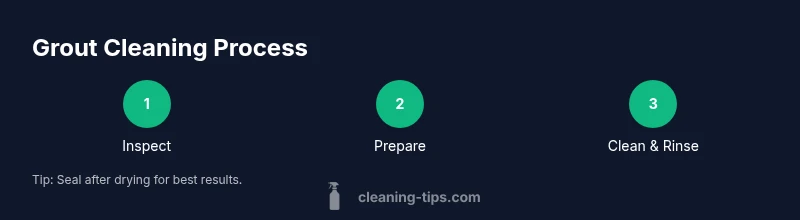
- Inspect grout lines for cracks and gaps
- Gather essential tools and safe cleaners
- Test cleaners on a small area first
- Scrub in sections and rinse thoroughly
- Apply sealer after drying completely
- Maintain with light weekly cleaning to prevent buildup
Tools & Materials
- Grout brush or stiff nylon scrub brush(Avoid metal brushes that can scratch grout)
- Bucket and clean water(Clear water for rinsing; change water as needed)
- Baking soda(Used for paste cleaning; avoid using on stone)
- Hydrogen peroxide (3%)(For tougher stains; test colorfastness first)
- White vinegar(Can help with mineral deposits; do not mix with hydrogen peroxide in the same container)
- Dish soap(Mild cleaner for routine touch-ups)
- Spray bottle(For applying cleaners evenly)
- Gloves(Protect skin from cleaners)
- Towels or microfiber cloths(Drying and final wipe-down)
- Sealant (penetrating grout sealer)(Choose a sealer compatible with your grout type)
Steps
Estimated time: 30-90 minutes active cleaning; 24–48 hours for sealer to cure fully
- 1
Inspect and prep the area
Survey all grout lines for cracks and staining. Clear the area of loose items, dust, and hair. Move furniture or bathroom mats away to give yourself full access to the tiles.
Tip: Document problem areas with a quick photo so you can monitor improvement over time. - 2
Vacuum and wipe surfaces
Vacuum or sweep to remove loose grit. Wipe tile surfaces with a damp cloth to remove surface grime before scrubbing. This reduces scratch risk and improves cleaning efficiency.
Tip: Dry surfaces after rinsing to prevent slip hazards. - 3
Prepare cleaning paste
Mix baking soda with a small amount of water to create a paste that clings to grout lines. For stubborn stains, add a bit of hydrogen peroxide to the paste.
Tip: Start with a mild paste; you can increase strength if needed. - 4
Apply paste to grout lines
Spread the paste along the grout using the applicator brush or your gloved finger. Focus on the discolored areas and work in a consistent motion along the grout.
Tip: Avoid over-wetting surrounding tiles to prevent water seepage behind the grout. - 5
Scrub and rinse
Scrub grout lines with moderate pressure, using circular motions. Rinse frequently to avoid re-depositing loosened grime. Wipe with a clean, damp cloth as you go.
Tip: If grime persists, let the paste sit longer (5–10 minutes) before scrubbing again. - 6
Dry and inspect, then seal
Dry the area thoroughly, then inspect for remaining discoloration. Apply a penetrating grout sealer following product instructions and allow to cure fully before exposing to moisture.
Tip: Ensure grout is dry and free of cleaner residues before sealing.
Questions & Answers
What is the safest way to clean grout in a shower?
Use a mild baking soda paste for routine grime and a hydrogen peroxide paste for tougher stains. Ventilate, wear gloves, and rinse thoroughly after cleaning. If mold persists, consider a grout-specific cleaner and ensure proper drying.
For safe shower grout cleaning, start with a baking soda paste, scrub gently, rinse well, and dry. If mold sticks around, try a grout cleaner designed for bathrooms and ensure it dries completely.
Can I use bleach on grout?
Bleach can be effective on some grout stains but may discolor colored grout and weaken cementitious grout over time. Always dilute, test on a small area, and ensure good ventilation. Consider hydrogen peroxide or a color-safe cleaner first.
Bleach can work, but test first and avoid colored grout. If in doubt, use milder cleaners and a grout-specific product.
How often should grout be sealed?
Sealant frequency depends on usage and exposure to moisture. In bathrooms or kitchens, reseal every 1–2 years after proper cleaning and drying. Areas with high water exposure may require more frequent sealing.
Seal every 1–2 years in typical bathrooms or kitchens, or sooner if you notice water soaking in quickly.
What’s the best homemade grout cleaner?
A baking soda paste is a reliable, gentle option for everyday grime. For tougher stains, hydrogen peroxide mixed with baking soda can whiten grout. Avoid mixing acidic cleaners with bleach or peroxide in the same container.
A baking soda paste is great for everyday grime; hydrogen peroxide helps with stubborn stains. Never mix cleaners that produce fumes in the same container.
Is steam cleaning grout safe for all tile types?
Steam can be effective for some grout surfaces but may damage very porous grout or certain grout sealers. Test on a small area and follow manufacturer guidance for your grout and tile materials.
Steam can help but test first and check your grout type. Some surfaces may be sensitive to heat and moisture.
When should I replace grout instead of cleaning it?
If grout is crumbling, cracked deeply, or harboring persistent stains after multiple cleaning attempts, replacement may be necessary for structural integrity and hygiene.
If grout is crumbling or heavily damaged, replacement is usually the best option after cleaning alternatives have been tried.
Watch Video
The Essentials
- Inspect grout lines regularly to catch wear early
- Use mild pastes for routine cleaning and reserve harsher methods for tough stains
- Seal grout after cleaning to boost longevity and stain resistance
- Avoid mixing cleaners to prevent dangerous fumes or residue