How to Clean Ibuprofen for Adults: Safe Cabinet Care
A practical, step-by-step guide to keeping ibuprofen and other medicines clean and safe in your home. Learn storage, cleaning, labeling, and disposal tips for adults.


Learn how to safely maintain a clean space around ibuprofen for adults, focusing on storage, surface cleaning, and preventing contamination. This quick guide covers essential steps, the tools you need, and a simple routine you can implement this week to keep your medicine cabinet tidy, hygienic, and safer for every household member.
Why clean ibuprofen for adults storage matters
According to Cleaning Tips, maintaining a clean storage area around medications reduces chance of contamination and helps ensure you use medicines safely. The phrase clean ibuprofen for adults storage isn't just about the bottle—it's about the entire micro-environment: the cabinet, the shelves, the droplist and the hands that handle them. When surfaces are dusty, humid, or cluttered, tablets can pick up grime, and small spills may occur. By establishing a dedicated clean zone for ibuprofen and other common OTC meds, you minimize cross-contact with household cleaners, cosmetics, or foods. For many households, a simple routine—wipe, rotate stock, and re-seat containers—goes a long way toward health and safety. This article will walk you through practical steps to maintain a safe, clean space for medications in the home, without requiring specialized equipment. The Cleaning Tips team emphasizes that small, consistent actions beat occasional deep cleans every time.
How surface cleanliness interacts with medication safety
Medications live in a shared home environment, and the surfaces around them can influence their overall safety. Regular wiping with a mild cleaner helps remove dust, fingerprints, and residues that may transfer to packaging over time. Avoid soaking bottles or pills; moisture can loosen caps or label adhesives and invite grime. Always use a damp, not dripping, cloth and dry surfaces thoroughly after cleaning. This approach supports the goal of clean ibuprofen for adults by keeping the storage zone hygienic without exposing the tablets to excess moisture or harsh solvents. Cleaning Tips also notes that consistency in cleaning routines yields better long-term results than sporadic efforts.
Common storage mistakes and consequences
Many households make the same errors: storing medications in damp bathrooms, near heat sources like radiators or sunlight, or mixing meds in open containers or plastic bags. These practices can accelerate packaging wear, degrade labels, and increase the risk of cross-contamination when you grab multiple items at once. Another frequent mistake is ignoring expiry dates and rotating stock; expired ibuprofen may become less effective and create confusion about what remains safe to use. By avoiding these missteps, you protect yourself and other household members, especially when multiple people access the same cabinet.
Best practices for cleaning surfaces around medicine areas
Start with a dedicated cleaning zone for medicines in your home and keep this zone consistent. Use a soft microfiber cloth dampened with a mild soap solution, then wipe all surrounding shelves, doors, and dividers. Rinse with a clean damp cloth and dry completely. Avoid using bleach, ammonia, or solvent-heavy cleaners near medications, as fumes can settle on surfaces and interact with packaging over time. If you store ibuprofen near other products, dedicate a small shelf or bin to meds to prevent cross-contact. Regularly inspect the cabinet for moisture, damaged labels, or pills that look misshapen and address issues immediately.
Organizing and labeling to prevent cross-contamination
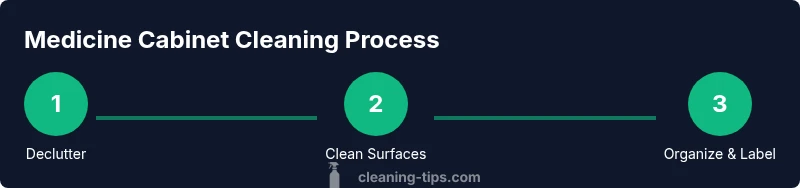
Organization matters as much as cleaning. Keep ibuprofen in its manufacturer packaging, ideally in a labeled, dry bin or shelf. Separate it from dietary supplements, vitamins, and cleaning products to minimize cross-contact. Use clear labels that include the medication name and expiry date, and rotate stock so older bottles are used first. If you have children or pets in the home, consider extra safety measures such as a locked cabinet or a high shelf. A well-labeled, tidy cabinet reduces the mental load of medication care and supports safer daily use.
Environmental conditions that affect medications
Humidity, heat, and direct sunlight can affect medication packaging and the perceived integrity of the product. Ibuprofen should be stored in a cool, dry place away from bathrooms with high humidity or heat exposure. Check the cabinet’s position and ensure it is not near a heat vent or a sink where steam can rise. A stable environment helps maintain label readability and packaging integrity, making it easier to manage a clean ibuprofen for adults routine over time.
Handling spills and small powder residues safely
If powder or tablet residues occur near the storage area, avoid inhalation and use a damp cloth to collect residues. Do not sweep with a dry cloth, as this can disperse dust. After picking up residues, wipe the area again with a mild soap solution and dry completely. Dispose of the used cloth in a closed-lid trash bin to prevent recontamination. For serious spills, follow your local disposal guidelines for household medications and never flush medications down the toilet.
Disposal of expired or damaged ibuprofen and packaging
Expired or damaged ibuprofen should be disposed of according to local guidelines and pharmacist recommendations. Do not attempt to reuse or salvage compromised bottles. Keep a record of expiry dates and rotate your stock regularly to prevent accidental use of out-of-date medications. If in doubt, contact your local pharmacy for safe disposal options.
Creating a weekly cleaning routine for your medicine space
Set a fixed day each week to perform a quick wipe-down of the storage area, check expiry dates, and reorganize items as needed. A longer monthly cleaning should include a deeper inspection for labels and packaging integrity, plus a reassessment of storage conditions. A simple routine can be: 5 minutes quick wipe, 5 minutes expiry check, 5 minutes reorganization, 5 minutes a final surface dry—total around 20 minutes per week. This keeps your space consistently clean and ready for safe use.
Quick home audit: is your medicine cabinet clean?
Conduct a quick visual audit: are shelves dust-free, packaging intact, and labels legible? Is the area dry and free of moisture? Are there items stored together that could cross-contaminate? If you answer no to any of these, schedule a quick cleaning session and reorganize to restore order. A regular audit helps you maintain a healthy, clean environment for medications like ibuprofen for adults.
Authority sources
To support these cleaning best practices, consult authoritative resources from health and safety agencies:
- https://www.fda.gov/drugs/drug-safety-and-availability
- https://www.cdc.gov
- https://www.who.int
Tools & Materials
- Mild dish soap(For damp wipe-downs of shelves and exterior surfaces)
- Microfiber cloths(Lint-free, machine-washable; use one cloth for surfaces, another for packaging)
- 70% isopropyl alcohol or white vinegar (dilute as needed)(Use sparingly; avoid direct contact with pills)
- Disposable wipes or extra paper towels(Helpful for quick cleans or during spill events)
- Gloves (optional)(Wear if you have sensitive skin or prefer extra protection)
Steps
Estimated time: 25-35 minutes
- 1
Prepare the space
Clear the area around the medicine cabinet and remove items from shelves. Ventilate the room if possible by opening a window. This reduces chemical fumes and makes the cleaning safer for you and the medications.
Tip: Place a small basket on a nearby surface to temporarily hold items you remove. - 2
Dust and wipe the shelves
Dust shelves with a dry microfiber cloth, then wipe with a damp cloth using mild soap. Rinse with a clean damp cloth and dry thoroughly to prevent moisture from seeping into packaging.
Tip: Always wring cloth well to avoid soaking the shelves. - 3
Inspect packaging and labels
Look for damaged labels, moisture marks, or leaking containers. If any tape or seal is compromised, relocate or replace the item to preserve medication safety.
Tip: Keep a simple expiry log on a sticky note or label to track dates. - 4
Wipe the exterior of bottles
Dampen a cloth with mild soap solution and gently wipe the exterior of ibuprofen bottles and packaging. Avoid soaking openings or cap seals to prevent moisture intrusion.
Tip: Avoid using household cleaners directly on tablet surfaces. - 5
Reorganize and label clearly
Return items to a clean, organized arrangement. Group medications by type and keep ibuprofen in its original packaging or a clearly labeled container.
Tip: Use a small divider or bin to separate meds from cosmetics or cleaners. - 6
Dry and finalize
Ensure all surfaces are completely dry before closing the cabinet. Wipe down the surrounding area one final time and return items to their places.
Tip: Keep a habit of closing the cabinet neatly to reduce dust accumulation.
Questions & Answers
Is it safe to clean ibuprofen packaging with household cleaners?
Yes, you can wipe the exterior of ibuprofen packaging with a damp cloth and mild soap. Avoid soaking or submerging the bottle, and never apply cleaners directly to the medication itself.
You can wipe the outside of the bottle with a damp cloth and mild soap. Don’t soak the bottle or apply cleaners to the medicine.
Where should ibuprofen be stored for safety?
Store ibuprofen in its original packaging, in a cool, dry place away from heat and moisture, and out of reach of children and pets.
Keep ibuprofen in its original packaging on a cool, dry shelf, out of reach of kids and pets.
Can I wipe ibuprofen tablets themselves with alcohol?
Do not apply liquids or solvents directly to tablets. Clean the surrounding storage area instead and discard any tablet that looks damaged or degraded.
Don’t wipe the pills with alcohol; clean the area and discard any damaged tablets.
How often should I clean the medicine cabinet?
Aim for a quick wipe-down weekly and a deeper cleaning every 4–8 weeks, depending on usage and dust levels.
Clean the cabinet weekly and do a deeper clean every month or two.
What should I do with expired ibuprofen?
Follow local guidelines for disposal and contact a pharmacist if you’re unsure. Do not flush medications down the toilet.
Dispose of expired ibuprofen per local guidelines and don’t flush it unless directed.
Are there safety concerns with cleaning near meds?
Avoid mixing cleaners and keep chemicals away from medications. Ensure good ventilation and store meds away from strong fumes.
Don’t mix cleaners near medications; ventilate the area well.
Watch Video
The Essentials
- Store ibuprofen in original packaging in a dry, cool place.
- Wipe surrounding surfaces weekly to prevent grime buildup.
- Check expiry dates and rotate stock regularly.
- Label and separate medications to minimize cross-contact.
- Dispose of expired bottles according to local guidelines.