Safe Mouse Poop Cleanup: A Step-by-Step Guide
Learn safe, practical methods to clean mouse poop and prevent hantavirus risks. This guide covers PPE, ventilation, disposal, disinfection, and prevention for renters and homeowners alike.


Here's what you'll accomplish: safely remove mouse poop, ventilate the area, disinfect contaminated surfaces, and dispose of waste properly to minimize hantavirus and allergen exposure. This guide covers protective gear, step-by-step cleanup, and prevention to keep your home healthier. By following it, you’ll reduce risk for children and pets, and feel confident in your ability to handle future spills.
Why Safe Cleanup Matters
Cleaning up mouse poop is more than a mess-removal task; it’s a health and safety issue. When rodents inhabit a home, their droppings can harbor pathogens and create dust that becomes airborne during cleaning. The phrase clean mouse poop isn’t just about tidying; it’s about reducing exposure for your family. The Cleaning Tips team emphasizes using damp methods rather than sweeping or vacuuming to minimize dust dispersion. Ventilation, personal protective equipment (PPE), and proper disposal are essential to prevent respiratory irritation and potential infections. This section outlines the risks, why a careful approach matters, and how following best practices protects both occupants and pets from illness and allergic reactions. Continuous vigilance and cleanliness can prevent re-infestations and reduce lasting odors, preserving indoor air quality in your living spaces.
Immediate Precautions Before You Start
Before you touch a single droplet, take a few quick, decisive steps to set up a safe cleanup environment. Open a window or door to improve ventilation and keep others away from the area during the cleanup. Put on PPE: disposable gloves, a dust mask or N95 respirator, and eye protection. If you have a compromised immune system, asthma, or respiratory issues, consider delaying cleanup and seeking professional help. Avoid sweeping or vacuuming dirt or droppings; disturbing dried material can release harmful particles into the air. Use a damp paper towel or disposable cloth to prevent dust from becoming airborne, and place used towels directly into a sealed bag. These precautions reduce exposure risk for everyone in the home, including children and pets.
Health Risks and When to Seek Help
Mouse droppings can carry bacteria and, in some regions, hantaviruses. Exposure can occur through inhalation of dust or contact with contaminated surfaces. Symptoms from exposure may resemble flu-like illness and can progress to more serious conditions in rare cases. If you develop fever, muscle aches, or shortness of breath after exposure, seek medical attention promptly and inform your clinician about possible rodent exposure. For large infestations, ongoing symptoms, or if you’re cleaning a space with extensive droppings, contact a professional pest-control or hazardous-cleanup service. The goal is to minimize risk, not to guess at exposure levels. Cleaning Tips recommends erring on the side of caution and following established guidelines.
Tools and Materials You May Need
A well-equipped cleanup kit makes the process safer and faster. Essential items include sturdy disposable gloves, an N95 respirator or equivalent, protective eyewear, disposable paper towels, sealed plastic bags for waste, a spray bottle of water for dampening, a 1:10 bleach solution or EPA-approved disinfectant, and a dedicated cleaning cloth for the area. Keep a trash bin nearby for immediate disposal and avoid cross-contamination by using separate towels for the droppings area. If you’re cleaning in a kitchen or bathroom, ensure surfaces are safe to contact with disinfectants and rinse thoroughly after disinfection.
Cleaning Agents and Disinfection Options
Disinfection is a critical step after removing droppings. A household bleach solution prepared at a 1:10 ratio (1 part bleach to 10 parts water) is commonly recommended for hard surfaces. Allow the solution to sit on surfaces for at least 5 minutes before wiping. If you prefer alternatives, EPA-registered disinfectants labeled for decontamination from rodent droppings can be used according to the product label. Always use these products in a well-ventilated area and avoid mixing bleach with ammonia or certain cleaners. For sensitive surfaces, test a small, inconspicuous area first and avoid harsh scrubbing that could damage finishes. After disinfection, rinse or wipe surfaces with clean water where appropriate and allow them to air-dry.
Understanding the Cleanup Process: A High-Level View
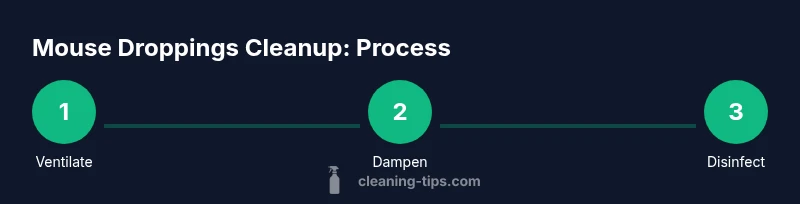
A safe cleanup follows a clear sequence: Ventilate the space, don PPE, dampen droppings to reduce dust, carefully collect without dispersing material, seal it in bags, disinfect all affected surfaces, and finally remove PPE and wash hands. This process helps minimize exposure and reduces the chance of recontamination. It also supports a healthier indoor environment by preventing lingering odors and improving air quality. In rental properties, document the cleanup steps and keep receipts if you need to report the incident to the landlord or property manager.
Containment, Waste Disposal, and Aftercare
Containment is critical to preventing the spread of contaminants. Place collected droppings and contaminated towels into a sealed bag, then seal that bag inside a second bag for extra protection. Dispose of these bags in an outdoor trash bin with a tight lid to avoid attracting additional pests. After disposal, disinfect the area and any objects that may have come into contact with contaminated material. Wash hands thoroughly after cleanup, even if you wore gloves, and avoid touching the face during cleanup. Finally, identify how the infestation occurred and seal entry points to dissuade future intrusions. Regular maintenance reduces long-term risk and helps maintain a clean, healthy home.
Prevention and Home Maintenance Strategies
Prevention is the best defense against recurring rodent issues. Start with sealing potential entry points, such as gaps around doors, pipes, and foundations, and address food sources by storing pantry items securely. Maintain clean surfaces and reduce clutter where rodents can hide. Set up humane traps as needed and monitor for signs of activity. Establish a routine cleaning schedule that includes regular checks for droppings in low-traffic areas like garages or basements. Keeping a tidy environment reduces the likelihood of future infestations and supports ongoing respiratory health for all household members.
Authority Sources
For rigorous, research-backed guidance, consult trusted organizations. Here are a few foundational sources you can reference for rodent-cleanup protocols and indoor air safety:
- https://www.cdc.gov
- https://www.epa.gov
- https://www.osha.gov
These organizations provide general safety principles, disinfection guidelines, and workplace or home safety practices that align with prudent cleaning methods. Always follow product labels and professional recommendations for your specific situation.
For Renters and Homeowners: Rights and Responsibilities
Whether you rent or own, you’ve got a shared duty to maintain a healthy living environment. If a rodent problem is suspected, report it to the landlord or property manager promptly and document the cleanup steps you take. Keep receipts for cleaning supplies and any services performed, and follow up with preventive measures such as sealing entry points and improving waste management. If the outbreak is extensive, consider consulting a licensed pest-control professional to ensure comprehensive remediation and verification of safety.
Quick Reference Safety Checklist
- Ventilate the area before starting cleanup.
- Wear PPE: gloves, mask, and eye protection.
- Dampen droppings; avoid sweeping or vacuuming.
- Use two bags for waste; seal tightly.
- Disinfect surfaces with a 1:10 bleach solution or EPA-registered disinfectant.
- Remove PPE properly and wash hands immediately afterward.
- Inspect for entry points and seal to prevent re-entry.
- Keep children and pets away from the cleanup zone during and after the process.
Cleaning Tips from Cleaning Tips
Our team emphasizes practical, step-by-step guidance for a healthier home. By following the steps outlined here, you can manage rodent cleanup efficiently and reduce health risks. Remember, good sanitation and preventative maintenance are your best allies in maintaining a clean, safe living space.
Tools & Materials
- Nitrile disposable gloves(Powder-free, size Large)
- N95 respirator or equivalent mask(Fit-test if possible)
- Protective goggles(Wraparound style preferred)
- Disposable paper towels or wipes(For dampening and cleanup)
- Sealable plastic bags (two-layer)(Heavy-duty bags for waste)
- Household bleach (sodium hypochlorite)(Dilute 1:10 with water)
- Spray bottle with water for dampening(Keep separate from other cleaners)
- EPA-registered disinfectant (optional)(Alternative to bleach; follow label)
Steps
Estimated time: 45-60 minutes
- 1
Ventilate the area
Open windows and doors to increase airflow while keeping others out of the area. If possible, position a fan to direct air toward an exterior opening. Ventilation helps reduce inhalation exposure during cleanup.
Tip: Do not leave fans running overnight in unoccupied spaces; ensure cords do not create trip hazards. - 2
Put on PPE
Don disposable gloves first, then a well-fitted mask (N95 or equivalent), and protective eyewear. PPE minimizes contact with contaminated materials and protects your lungs from dust.
Tip: Check mask fit by exhaling; if you feel air escaping, adjust the straps for a snug seal. - 3
Dampen the droppings
Moisten dried droppings with a small amount of water or a damp cloth to prevent dust from becoming airborne. Avoid sweeping or vacuuming at this stage.
Tip: Use a separate cloth or towel for the area; keep it in a sealed bag after use. - 4
Collect droppings safely
Carefully pick up dampened droppings with paper towels and place them in a sealable bag. Do not crush or grind material; containment reduces aerosolization.
Tip: If droppings are in a hard-to-reach spot, use a small tool wrapped in a towel to avoid direct contact. - 5
Disinfect the area
Spray or wipe surfaces with a 1:10 bleach solution or EPA-registered disinfectant. Keep the surface wet for at least 5 minutes, then rinse if the surface requires it.
Tip: Do not mix cleaners; use one product at a time and follow label directions. - 6
Dispose of waste
Place all contaminated towels and droppings in a sealed bag, then put that bag into a second bag. Tie securely and place in an outdoor trash bin.
Tip: Double-bagging reduces leakage and odor during transport to the outside trash. - 7
Remove PPE and wash hands
Carefully remove PPE, turning gloves inside-out to contain contamination. Wash hands with soap and water for at least 20 seconds after cleanup.
Tip: Wash gloves separately if reusing; preferably discard after a rodent cleanup. - 8
Recheck for signs of infestation
Look for new droppings or nesting signs in nearby areas and seal any entry points. A targeted pest service can help with persistent problems.
Tip: Seal gaps larger than 1/4 inch with steel wool and caulk—avoid chewing through plastic or foam. - 9
Restore and monitor air quality
Allow the space to re-ventilate fully and monitor for lingering odor. Return to normal activities after 24 hours if no symptoms appear and cleanliness is confirmed.
Tip: If odors persist beyond 24 hours, consider re-cleaning and inspecting for additional droppings.
Questions & Answers
Is it safe to clean mouse poop myself?
Yes, you can clean mouse poop yourself if you follow PPE guidelines, dampen the material, and disinfect thoroughly. For large infestations or health concerns, consult a professional.
Yes, you can clean it yourself, but wear gloves and a mask, dampen the droppings, and disinfect well. If in doubt, seek professional help.
Should I use bleach to disinfect contaminated areas?
A dilute bleach solution (1:10) is commonly recommended for hard surfaces. Always follow product labels and ensure proper ventilation during use.
Yes, a 1:10 bleach solution is commonly recommended, but follow the label and ventilate the area.
Can I vacuum mouse droppings after dampening them?
No. Vacuuming can aerosolize contaminants. Clean with damp towels and dispose of waste in sealed bags instead.
No, avoid vacuuming altogether. Use damp towels and proper disposal.
What if there are signs of infestation after cleanup?
If you continue to see droppings or find nests, contact pest control to assess and treat the infestation and review entry points.
If you still see droppings, call a pest-control professional to assess and seal entry points.
How long should I wait before re-entering the cleaned space?
Ventilate well and ensure surfaces are dry. You can resume typical use after the area is dry and odor-free, usually within 24 hours.
Ventilate thoroughly and wait until the space is dry and odor-free, often about a day.
What steps can I take to prevent future rodent issues?
Seal entry points, keep food sealed, remove clutter, and maintain regular cleaning. Set up monitoring for signs of activity in hidden areas.
Seal potential entry points and keep the space clean to deter rodents.
Watch Video
The Essentials
- Ventilate before cleaning to reduce airborne particles
- Use damp methods and PPE to protect health
- Double-bag waste and disinfect thoroughly
- Seal entry points to prevent reinfestation
- Document and act on persistent rodent activity