Wet vs Dry: Do You Put Cleanser on Wet or Dry Skin?
Discover whether to apply cleanser on wet or dry skin, how moisture changes cleansing effectiveness, and tips for different skin types. Cleaning Tips offers a clear, step-by-step routine to maximize cleansing while preserving moisture.


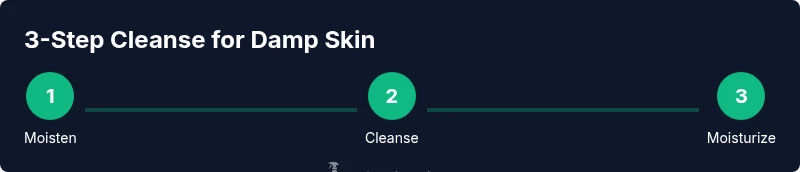
Apply cleanser to damp skin, not bone-dry skin. Start with lukewarm water to prep the surface, dampen the face, then dispense a pea-sized amount of cleanser and massage in circular motions for 20–30 seconds before rinsing. If your skin is very dry, you can apply to damp skin after patting away excess water.
Why moisture state changes cleansing outcomes
Moisture on the skin acts like a facilitator for cleansing, helping emulsify oils, makeup, and dirt so they rinse away more cleanly. The question many people ask is: do you put cleanser on wet or dry skin? The answer isn’t one-size-fits-all, but damp skin typically offers several benefits. When your skin has a light, even layer of moisture, cleansers can glide more easily, reduce friction, and minimize irritation—especially with formulas designed for sensitive or dry skin. According to Cleaning Tips, starting with a damp surface helps milder cleansers work more effectively without stripping natural oils. If your skin is very dry or already irritated, you may apply to a surface that’s damp but not dripping wet, which preserves barrier lipids while still enabling cleansing action. In everyday practice, think of damp skin as the “conductor” that helps the cleanser do its job without punching through the skin’s protective layer. Throughout this guide we’ll reference that core idea while tailoring advice for different formulas and skin types, always aiming to preserve moisture while removing surface grime.
Moisture state and pH balance interplay
Cleansers come in many formulas—gel, cream, oil, and balm. Each type interacts with water differently. Gel cleansers often foam and work best when the skin is slightly damp, which helps generate lather without too much scrubbing. Cream cleansers, which are typically more hydrating, can be effective on damp skin for a gentler cleanse that won’t strip moisture. Oil- and balm-based cleansers are versatile: they can emulsify on damp skin to lift makeup and sunscreen without harsh friction. The key principle remains: damp skin usually offers a better balance between cleansing efficacy and barrier preservation. When you cleanse on a completely dry face, you may need more cleanser to achieve the same level of emulsification, which can risk over-stripping the surface. If you do choose to cleanse on dry skin, err on the side of a gentle, hydrating formula and rinse with lukewarm water as soon as makeup and oils begin to loosen.
How to test your own skin’s response
If you’re unsure about your skin’s response to damp versus dry cleansing, perform a small test on a patch of your cheek for one week. Use the same cleanser with one morning routine on damp skin and one morning routine on a drier surface, then compare how your skin feels 1–2 hours later. Look for signs like tightness, redness, or flaking. Over time, you’ll learn whether your skin prefers cleansing while damp or with minimal moisture. Cleaning Tips recommends keeping a simple routine and noting your observations to identify the best approach for your unique skin barrier. Remember, consistency helps you determine what truly works for you, not what sounds ideal in the moment.
Summary of practical takeaways
- Damp skin generally improves cleansing efficiency while preserving moisture.
- Choose a cleanser type that matches your skin’s needs (gel for oil/combination, cream for dry, oil/balm for makeup-heavy routines).
- If your skin is very dry or sensitive, apply cleanser to a damp surface with a mild formula and avoid aggressive scrubbing.
- Always rinse with lukewarm water and follow with a moisturizer to support the skin barrier.
Moving forward
As you experiment with do you put cleanser on wet or dry skin, keep notes about how your skin feels after cleaning in the hours that follow. The goal is a clean surface without a tight or irritated feel. With this knowledge, you can tailor your routine to season, climate, and personal sensitivity. Cleaning Tips emphasizes that a simple, consistent routine tends to outperform complex, variable practices, especially for busy households. Finally, remember to reassess your routine every 4–8 weeks as skin can change with weather, humidity, and life-stage changes.
Tools & Materials
- Gentle, pH-balanced cleanser(Choose a formula suited to your skin type (gel for oily, cream for dry, balm/oil for makeup days).)
- Lukewarm water(Avoid hot water to prevent barrier dryness.)
- Washcloth or cleansing mitt(Soft texture to avoid friction; replace weekly if it shows wear.)
- Towel(Pat skin dry gently after rinsing; avoid rubbing.)
- Moisturizer or facial oil(Apply within 1–2 minutes of drying to lock in moisture.)
- Optional: toner or essence(If you use these, apply after cleansing while skin is still slightly damp.)
Steps
Estimated time: 2-4 minutes
- 1
Wet your face with lukewarm water
Splash water to prep the surface for cleansing. The goal is a surface that is damp, not soaking wet, to help subsequent cleansing stages work smoothly without stripping barrier lipids.
Tip: Keep water lukewarm to avoid drying the skin; very hot water can undo your hard work. - 2
Dispense a pea-sized amount of cleanser
Squeeze a small amount into your fingertips. A little goes a long way, especially with gentler formulas. Start with a small amount to prevent over-cleansing.
Tip: Emulsify cleanser between fingertips with a tiny amount of water to create a light lather if your product is gel-based. - 3
Massage cleanser into damp skin
Using circular motions, massage across the cheeks, forehead, nose, and chin for 20–30 seconds. Pressure should be light—think of gliding rather than scrubbing.
Tip: Pay attention to the T-zone but don’t neglect the jawline; excess residue there can contribute to breakouts. - 4
Rinse with lukewarm water until clean
Rinse thoroughly to remove all cleanser residues. Residue can irritate the skin and clog pores if left behind.
Tip: Use your hands to guide water flow; avoid hard jets that can irritate sensitive skin. - 5
Pat dry and apply moisturizer
Gently pat dry with a clean towel, then apply a moisturizer while the skin is still slightly damp to seal in hydration.
Tip: Choose a moisturizer with ceramides or hyaluronic acid if your barrier feels dry. - 6
Optional: follow with toner or essence
If your routine includes toner or essence, apply after cleansing and before moisturizer while skin remains a touch damp to maximize absorption.
Tip: Select alcohol-free toners to avoid additional dryness.
Questions & Answers
Should I apply cleanser on damp skin or completely dry skin?
In most cases, apply cleanser to damp skin. Dampness helps emulsify oils and enables a gentler cleanse, reducing irritation. If your skin is very dry, you can apply to damp skin after patting away excess water.
Apply cleanser to damp skin for most days; if your skin is very dry, pat it dry a bit first and cleanse on a damp surface.
Does water temperature matter when cleansing?
Yes. Use lukewarm water. Hot water can strip moisture and irritate sensitive skin, while cold water may not dissolve oils efficiently.
Stick with lukewarm water to protect your skin’s barrier while effectively cleansing.
Can I double-cleanse if I wear makeup or sunscreen daily?
Double cleansing can be beneficial when you wear heavy makeup or sunscreen. Use an oil-based or balm cleanser first on dry skin to remove makeup, then follow with your regular cleanser on damp skin for a thorough cleanse.
For makeup days, start with an oil cleanser, then follow with your regular cleanser on damp skin.
What if my skin is dry or reactive?
Choose a hydrating, non-foaming cleanser and cleanse on a damp surface with minimal friction. After cleansing, apply a hydrating moisturizer to support the skin barrier.
Hydrate with a gentle cleanser and moisturizer after cleansing to support the barrier.
How do I choose the right cleanser for my skin type?
Match cleanser texture to skin type: gels for oilier skin, creams for dry skin, and oils for makeup days. Check for a pH close to 5.5 and avoid products with harsh sulfates if you have sensitive skin.
Choose a cleanser by skin type and pH; avoid harsh sulfates if you’re sensitive.
Is pre-cleansing always necessary?
Pre-cleansing is optional and mainly useful on heavy makeup or sunscreen days. A light pre-cleanse with an oil-based formula on dry skin can help lift products before your main cleanse.
Pre-cleanse if you wear heavy makeup; otherwise, a single cleanse may suffice.
How often should I reassess my cleansing routine?
Reassess your routine every 4–8 weeks, or sooner if you notice changes in climate, season, or skin condition.
Check in every 4–8 weeks to adjust for weather, season, or skin changes.
Watch Video
The Essentials
- Cleansing on damp skin improves emulsification and gentleness.
- Choose a cleanser formulation aligned with your skin type.
- Rinse with lukewarm water and moisturize after cleansing.
- Adjust routine for dryness, sensitivity, or makeup days.
- Maintain a consistent routine for best long-term results.