How to Get a Clean Shave: A Practical Guide
Learn how to get a clean shave with a practical, step-by-step approach. From prep and tools to technique and aftercare, this guide covers everything for an irritation-free, close shave tailored to busy homeowners.


To get a clean shave, you’ll prep skin, choose a sharp blade, and use correct technique to minimize irritation. Start with warm water and a rich lather, keep your blade at a shallow 30-degree angle, and shave with the grain before a second pass for precision. Finish with a gentle moisturizer or balm. how get clean shave is entirely achievable with a structured routine.
Why a clean shave matters
A clean shave delivers a close, comfortable result when you combine proper prep, a sharp blade, and controlled technique. The goal extends beyond aesthetics to skin health: fewer passes mean less friction, reduced irritation, and a lower risk of razor burn. Consistency matters, so even quick weekday shaves should follow the same safe workflow. According to Cleaning Tips, investing time in a routine improves outcomes over time. A well-executed shave reduces missed spots and ingrown hairs, helping you maintain a polished look with minimal fuss.
Prep steps before shaving
Preparation is the foundation of a clean shave. Begin with a gentle facial cleanse to remove oil and grime, then use warm water to soften hair and open pores. A light exfoliation helps lift dead skin, reducing friction and snags during the shave. If you use pre shave oil or a conditioning cream, apply a thin layer to further improve blade glide. The goal is to create a smooth surface that lets the blade skim rather than drag. Cleaning Tips notes that a warm start often translates into a more comfortable, efficient shave for most skin types.
Tools and products for a close shave
Choosing the right tools sets expectations for results. A sharp razor or fresh cartridge is essential; dull blades pull and irritate. Pair the blade with a lubricating cream or soap that builds a slick, cushiony lather. A shaving brush can help distribute product evenly, though it remains optional for many users. Have a mirror, towel, and rinse bowl handy to keep the workflow fluid. This is not about luxury but about steady performance; quality tools reduce effort and increase consistency, a point emphasized in Cleaning Tips discussions about routine reliability.
Skin prep and lather techniques
Lather should be creamy and slick, not stiff. Hydrate your brush with warm water, work it into the soap or cream in circular motions, and let it sit briefly to hydrate the hair. A touch of pre shave oil can enhance lubrication for sensitive skin. Keep the skin taut with your other hand to create a stable shaving surface. The smoother the surface, the easier it is for the blade to glide, reducing drag and micro cuts. The technique matters as much as product choice, and practice makes consistency easier to achieve.
Step-by-step shaving technique
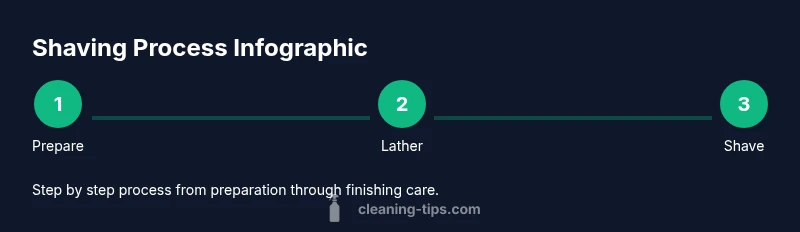
- Prepare skin with warm water and clean tools. 2) Apply a generous amount of lather and ensure full coverage. 3) Hold the blade at a shallow angle of roughly 30 degrees to the skin; let the blade do the work. 4) Shave with the grain on the first pass to minimize irritation; finish missed spots with short strokes. 5) Rinse the blade often and re-lather as needed. 6) For a second pass, across the grain or light against the grain if your skin tolerates it. 7) Rinse, inspect, and apply an alcohol-free balm. Pro tip: light pressure is key; heavy pressure causes micro-cuts and irritation.
Post-shave care and irritation prevention
Rinse with cool water to close pores and pat dry with a clean towel. Apply an alcohol-free aftershave or soothing balm to calm the skin and restore moisture. If you notice redness after shaving, apply a thin layer of moisturizer and avoid irritants for the next day. Clean your tools after use to prevent bacteria growth. Hydration and protection are essential to maintain a clean shave over time, so follow up with a good moisturizer or balm tailored to your skin type.
Troubleshooting common issues
Razor burn appears as red patches or a stinging sensation and is usually caused by pressure, a dull blade, or poor lubrication. Reduce pressure, ensure the blade is sharp, and re-lather to maintain glide. Ingrown hairs occur when hairs grow back into the skin; exfoliate gently and shave with the grain to minimize them. If irritation persists, review your routine and product choices, and consider stepping down to a milder blade or a hypoallergenic product. Regular adjustments based on skin response improve outcomes over time.
Maintenance and safety tips
Keep blades clean and dry between uses to prevent rust and bacterial buildup. Store your razor in a dry place and replace blades as recommended. Inspect for nicks or dullness, and avoid reusing damaged blades. Shave in a well-lit area, maintain a stable stance, and stay focused on technique to prevent slips. A consistent routine reduces risk and helps you achieve a reliable clean shave every time.
Tools & Materials
- Razor (sharp blade)(Use a fresh blade or cartridge for best closeness; replace after 5-7 shaves or when tugging begins.)
- Shaving cream or soap(Choose a lubricating formula that creates a rich, protective lather.)
- Warm water(Helps soften hair and open pores; start and finish with warm water rinse.)
- Shaving brush (optional)(Helps build an even, creamy lather; not required but improves glide.)
- Pre-shave oil (optional)(Adds extra lubrication for sensitive or very dry skin.)
- Aftershave balm or moisturizer(Alcohol-free options are gentler on sensitive skin.)
- Mirror(Ensure good lighting to monitor progress and avoid missed spots.)
- Towel(Pat skin dry gently; avoid rubbing to reduce irritation.)
Steps
Estimated time: 20-30 minutes
- 1
Prepare skin
Rinse your face with warm water to soften hairs and open pores. Keep your skin taut with the non-dominant hand and prepare the area ahead of lathering. This reduces drag when the blade touches the skin.
Tip: Avoid hot water that can dry the skin; warm is ideal for open pores and comfort. - 2
Apply lather
Massage a thick, even layer of shaving cream over the area to be shaved. A brush can help achieve a silky cushion, but fingers work as well. Let the lather hydrate the hair briefly before beginning.
Tip: If the lather dries, re-wet and re-lather to maintain slickness. - 3
Set blade angle
Hold the razor at approximately 30 degrees to the skin. Let the blade skim the surface rather than dig in. A shallow angle minimizes irritation and increases control.
Tip: Start with gentle strokes on less sensitive areas to test the feel. - 4
Shave with the grain
Begin by shaving in the direction of hair growth (with the grain). Use light, consistent pressure and short strokes. This reduces tugging and lowers the risk of ingrown hairs.
Tip: If needed, rotate the blade slowly to maintain even pressure across curves. - 5
Second pass
For extra closeness, perform a second pass across or very lightly against the grain if your skin tolerates it. Avoid repeating the same pressure patterns to prevent irritation.
Tip: Use a fresh layer of lather for the second pass to preserve glide. - 6
Rinse and inspect
Rinse the area and visually inspect for missed spots. If needed, perform a few precise touch-ups with small, controlled strokes.
Tip: Keep the blade clean during inspection to avoid dragging. - 7
Finish with care
Rinse with cool water to close pores, pat dry, and apply a soothing balm or moisturizer. This locks in hydration and helps prevent irritation.
Tip: Choose a fragrance-free balm if you have sensitive skin.
Questions & Answers
Is a close shave possible with an electric razor?
Electric razors are convenient but may not deliver the same closeness as a blade. For a truly clean shave, consider a traditional wet shave with a sharp blade. Adjust expectations to your skin type and comfort.
Electric razors can work well, but for the closest shave a blade may be better. Consider skin type and comfort.
Can I shave in the shower?
Shaving in the shower is fine as long as you keep the blade dry between passes and avoid slippery surfaces. Use a non-slip mat and keep the water warm but not scorching.
Shaving in the shower works with proper safety and grip.
What causes razor burn and how can I prevent it?
Razor burn is usually caused by pressure, a dull blade, or insufficient lubrication. Prevent by using warm water, a sharp blade, light pressure, and a generous lather.
Razor burn comes from pressure and dull blades; lighten pressure and lubricate well.
Should I re-lather between passes?
Yes, re-lather between passes to reduce friction and maintain blade glide. This helps prevent irritation and ensures an even shave.
Yes, re-lather between passes to keep skin lubricated.
What is the best aftershave for sensitive skin?
Choose an alcohol-free aftershave or a fragrance-free balm to soothe the skin after shaving. Patch test to confirm compatibility with your skin.
Alcohol-free aftershave or balm is best for sensitive skin.
Watch Video
The Essentials
- Prepare skin with warm water and lubrication.
- Use a sharp razor and proper 30-degree angle.
- Shave with the grain first for best results.
- Rinse blade often to prevent clogging.
- Moisturize after shaving to soothe skin.