How is clean catch urine collected: A practical guide
Learn how a clean catch urine sample is collected, why midstream collection matters, and how to prepare, collect, and transport your sample safely for accurate lab results.


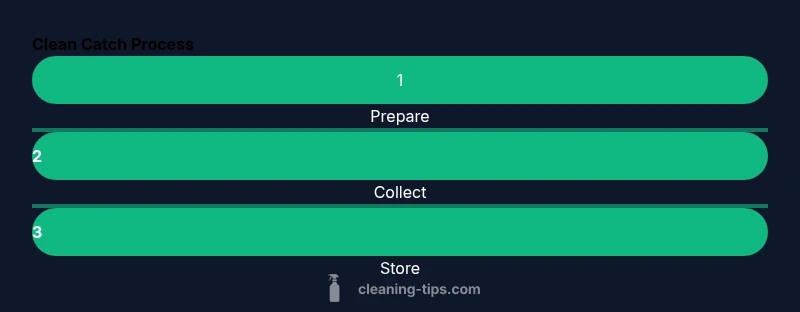
To collect a clean catch urine sample, gather a sterile container and wipes, wash your hands, clean the genital area, start urinating, and collect midstream urine into the container. Stop midstream, cap the container securely, and deliver it to the lab promptly. This method minimizes contamination and yields accurate results.
How is clean catch urine collected: Definition, purpose, and common uses
A clean catch urine sample is a midstream urine sample collected after cleansing the external genital area to reduce contamination. This method is commonly used for urinalysis and culture tests because it improves accuracy by minimizing debris and bacteria from skin. According to Cleaning Tips, midstream collection helps prevent contamination from the initial flow, which can otherwise skew results. The goal is a representative sample that reflects what’s in the urinary tract, not surface skin. Clinicians prefer this approach when testing for urinary tract infections, kidney stones, or other conditions affecting the urinary system. Patients should understand that proper technique matters: a poorly collected sample often leads to inconclusive or misleading results, requiring a repeat test. The Cleaning Tips team emphasizes preparation and cleanliness, from handwashing to avoiding touching the inside of the container. By following these basics, you’ll reduce the likelihood of contamination and improve test reliability.
Why clinicians ask for clean catch samples and what tests they support
Clinicians request clean catch samples because they are less likely to be contaminated by skin or vaginal flora, which helps ensure that lab findings reflect the urinary tract. These samples are commonly analyzed with urinalysis to screen for infection, blood, or chemical changes, and with urine culture to identify bacteria causing a urinary tract infection. Clean catch samples may also be used to detect stones, dehydration, or diabetic issues that affect the urine. When you follow proper technique, the lab can provide clearer results, reducing the need for repeat testing. Cleaning Tips notes that consistency in collection improves reliability and helps clinicians make accurate decisions about treatment.
When to collect a clean catch sample and timing considerations
Timing can influence test results, so your clinician may specify when to collect the sample. Some tests benefit from a first-morning specimen due to higher concentration, while others prefer random timing to reflect typical daily urine. If you’re symptomatic, a prompt collection often provides timely information for diagnosis. It’s important to follow the exact instructions given by your healthcare provider, including any instructions about fasting, medications, or recent activity that could affect the sample. Collecting at the right time helps avoid unnecessary delays in diagnosis and treatment, and reduces the need for repeat sampling. Cleaning Tips emphasizes aligning collection timing with the test order and clinic protocol for best results.
Hygiene, preparation steps, and getting ready
Preparation starts with simple hygiene. Wash hands with soap and water, dry thoroughly, and gather the sterile container and wipes. Females should wipe from front to back, while males should clean the head of the penis and surrounding area without touching the inner foreskin or urethral opening. Avoid touching the inside of the container or its cap. Label the container if you’re sending it to a lab and ensure everything is within reach to prevent accidental contamination. These steps create a clean environment that supports accurate lab analysis.
Understanding midstream collection and how to execute it
Midstream collection means starting to urinate, allowing the first portion to pass, then collecting urine in the sterile container for a short interval before finishing urination. This reduces contamination from skin and vaginal flora that can occur at the beginning or end of a urine stream. Hold the container upright and avoid touching the genital area or the inside of the cap. If you’re uncertain about timing, ask your clinician or nurse for a quick demonstration. Clean catch collection requires practice, but following the midstream principle yields more reliable results and minimizes the need for retesting.
How to store and transport the sample to the lab
Deliver the sample to the lab as soon as possible after collection. If immediate transport isn’t possible, refrigerate the container according to local guidelines or clinician instructions. Keep the container sealed to prevent spills and contamination. Do not mix the sample with other fluids or delay testing beyond the recommended window, as delays can alter the composition of the urine. Clear labeling helps lab staff process your specimen efficiently and accurately.
Common mistakes and how to avoid contamination
Common mistakes include touching the inside of the container or cap, cleaning too broadly or in the wrong direction, and collecting the sample too early in the flow. Another frequent error is attempting to collect from a contaminated surface or from a poorly cleaned area. To avoid these issues, keep your workspace clean, follow gender-specific cleansing directions, and use a fresh wipe for each cleaning step. If you’re unsure, pause and request guidance from a clinician or nurse. Cleaning Tips emphasizes that careful technique at every step is key to reliable results.
Special considerations for home and clinic settings
Collecting a clean catch urine sample at home is common for many tests. If you’re in a hospital or clinic, staff may provide direct supervision or a pre-labeled container. In all settings, follow the same core principles: clean the area, collect midstream urine, and transport promptly. If you have physical limitations or need assistance, don’t hesitate to ask a caregiver or healthcare professional for help. Maintaining privacy and comfort while ensuring a clean process improves accuracy and reduces stress during collection.
What happens after the sample reaches the lab and what to expect
Once the sample arrives at the lab, technicians typically perform urinalysis to examine chemical components, cells, and microscopic elements. A urine culture may be ordered if a bacterial infection is suspected. Results guide diagnosis and treatment decisions, including antibiotic selection when an infection is present. Keep in mind that the goal of a clean catch sample is to provide a true snapshot of the urinary tract at the time of collection. If results are inconclusive, your clinician may request a repeat test or additional testing.
Summary of the approach and practical expectations
In practice, how is clean catch urine collected hinges on simple, repeatable steps: cleanse, midstream collection, and prompt delivery. The method minimizes contamination and supports reliable lab results. By preparing properly and following gender-specific cleansing, you empower your healthcare team to provide accurate insights about your urinary health. Remember that guidance from your clinician supersedes general tips, and always prioritize safety and cleanliness throughout the process.
Tools & Materials
- Sterile urine collection container with secure lid(Choose a labeled, leak-proof container sized for urine tests)
- Alcohol-free cleansing wipes(Use for outer genital cleansing only)
- Soap and water(For initial handwashing before starting)
- Disposable gloves(Optional; use if instructed by clinician or if you’re assisting someone)
- Paper towels or clean cloth(For drying hands and workspace)
- Labeling material (pen + label)(Label with name, date, test type if required)
Steps
Estimated time: 15-30 minutes
- 1
Gather supplies
Collect the sterile container, cleansing wipes, soap, water, gloves, and towels. Place them within easy reach to avoid multitasking during collection. This primes a tidy workflow and reduces risk of contamination.
Tip: Having everything ready minimizes delays and keeps the sample pristine. - 2
Wash hands and prepare the area
Wash hands with soap and warm water for at least 20 seconds, then dry thoroughly. If you’re assisting someone, wear disposable gloves and ensure the area is clean and private. Prepare a clean surface to work on.
Tip: Warm water and a thorough wash reduce skin bacteria that could contaminate the sample. - 3
Clean the genital area appropriately
For females, wipe from front to back using a fresh wipe; for males, clean around the head of the penis and surrounding area without retracting the foreskin. Do not touch the inside of the container or lid. This minimizes contamination from skin flora.
Tip: Single-use wipes prevent cross-contamination; discard after one pass. - 4
Begin urinating and collect midstream
Start urinating in the toilet, then, after the stream begins, bring the container into the urine stream to collect a portion. Collect only the middle portion of the stream and avoid the initial and final drops.
Tip: Keep the container upright and avoid touching the genitals with the container. - 5
Seal, label, and cap the sample
Carefully cap the container without touching the inside. Label with name, date, and test if required, then seal tightly. Do not delay resealing to prevent exposure to air or contaminants.
Tip: Label before starting transport to prevent mix-ups. - 6
Deliver promptly to the lab or storage guidelines
Take the sample to the lab or follow specific clinic storage instructions. If there’s a delay, refrigerate as advised by your clinician and avoid exposing the sample to heat or direct sunlight.
Tip: Prompt delivery preserves sample integrity for accurate results.
Questions & Answers
What is a clean catch urine sample?
A clean catch urine sample is a midstream urine sample collected after cleansing the external genital area to minimize contamination from skin and surrounding tissues.
A clean catch is a midstream urine sample collected after cleansing the area to reduce contamination.
Why is midstream collection important?
Midstream collection helps ensure the sample reflects the urinary tract rather than surface skin flora, improving test accuracy for infections and other conditions.
Midstream collection helps ensure the sample reflects the urinary tract, not skin contamination.
Can I collect a clean catch at home?
Yes, many tests allow home collection with proper sterile containers and clear instructions. Follow your clinician’s directions and deliver the sample promptly.
Yes, you can collect at home if you follow the instructions and deliver the sample promptly.
What if I have trouble cleaning the area?
If you experience difficulty, ask for assistance from a caregiver or clinician. Proper cleaning reduces contamination and improves results.
If cleaning is difficult, seek help from a clinician or caregiver.
Is a clean catch used for urine culture?
Yes, a clean catch sample is commonly used for urine culture to identify bacteria causing infection and to guide treatment.
Clean catch samples are often used for urine culture to identify bacteria.
What should I do if the sample spills?
If the sample spills, notify staff and start a fresh collection with a new sterile container.
If it spills, tell staff and start over with a new container.
Watch Video
The Essentials
- Plan ahead with clean supplies.
- Follow midstream collection to reduce contamination.
- Label and transport promptly for accuracy.
- Follow clinician-specific instructions for tests.