How to Know When Cleaned Out for Colonoscopy: A Step-by-Step Prep Guide
Learn when your colon is properly cleaned for a colonoscopy. Get a clear prep plan, timing, and practical tips from Cleaning Tips to avoid delays and improve exam quality.


The goal is a clear, empty bowel for the colonoscopy. Follow your doctor’s prep schedule precisely, use clear liquids, and take laxatives as directed. According to Cleaning Tips, readiness means no solid stool and minimal liquid stool. If you notice ongoing stool, dehydration, or severe discomfort, contact your clinician promptly to avoid procedure delays.
What does the term unctional word "cleaned out" mean for a colonoscopy prep?
"Cleaned out" describes a bowel that is sufficiently empty for the doctor to examine the colon. In practical terms, this means avoiding solid stool and minimizing remaining stool to allow the mucosa to be seen clearly. The Cleaning Tips team emphasizes that readiness is not a perfect science but a balance of dietary steps, dosing, and timing. Most patients notice progressive changes in stool color and consistency as the prep progresses—stools become lighter and easier to flush. If you finish the prescribed regimen and still observe solid stool, document observations and contact your clinician for guidance. This phase is about enabling visualization rather than chasing absolute emptiness.
Prep timeline and the importance of timing
A successful prep is built on a clear timeline: the day before your procedure, you shift to a light diet with strict liquid intake, and the morning of the procedure you should be finished clearing the colon. Timelines vary by protocol, but the principle remains consistent: follow dosing windows exactly, avoid deviations, and respect any midday or evening dosages. Establishing a reliable rhythm helps reduce anxiety and lowers the chance of rescheduling. Cleaning Tips highlights that adherence to timing correlates with better bowel visualization and smoother recovery after the procedure.
Clear liquids and substances to avoid
During prep, you will primarily consume clear liquids such as water, broth, clear juices without pulp, and electrolyte beverages. Avoid dairy products, red or purple colored drinks, and opaque liquids that could leave residue. Ice chips are often allowed in moderation. The goal is to stay hydrated while keeping the colon visually clear. If you notice pink or red tinged liquid, it could be mistaken for residual blood, so notify your provider. Always check your specific instructions for any liquids you must avoid.
How adherence impacts exam quality
Adherence is not just about feeling ready; it directly impacts exam quality. When you closely follow the prescribed laxatives and timing, the colon tends to appear cleaner on the day of the procedure, reducing the need for repeat testing. Cleaning Tips analysis, 2026, notes that patients who adhere to clear-liquid and laxative directions report fewer delays and higher confidence in the exam. Discuss any concerns with your clinician to tailor the plan to your health needs and any medications you take.
Step-by-step plan for a typical prep day (narrative)
A typical prep day involves waking with a plan, beginning clear liquids early, and then following laxative dosing per your doctor’s instructions. Keep beverages within reach, set reminders, and pace yourself to avoid dehydration. Tracking bathroom visits helps you assess progress and decide if you need to adjust your activity. Throughout the day, store any waste materials safely and maintain comfortable clothing so you can rest when needed. The goal is consistent progress toward a clean bowel by the scheduled time.
What to do if you have questions or issues during prep
If you experience severe cramping, persistent vomiting, or inability to keep fluids down, contact your clinician promptly. Do not ignore dehydration cues such as dizziness or faintness. If the prep progresses unusually slowly or you cannot complete the dosing as prescribed, seek medical advice before the procedure date. Having a trusted contact and a written copy of your instructions can make it easier to communicate concerns quickly.
Safety considerations and when to contact your doctor
Safety comes first. Read all medication labels for potential interactions with existing prescriptions, especially if you have chronic conditions. If you have kidney disease, heart disease, diabetes, or take anticoagulants, your prep plan may need adjustments. Contact your clinician immediately if you notice severe dehydration, chest pain, or a drastic change in bowel habits. Always inform your care team about recent surgeries or complications that could affect your prep.
Special scenarios: chronic conditions and medications
Chronic conditions may require tailored prep strategies. For example, diabetes may involve adjusting certain oral medications, while kidney disease may affect electrolyte choices. Always coordinate with your healthcare provider before starting prep, and share a complete medication list. If you take bowel-suppressing or bowel-stimulating agents, your clinician may offer substitutions or alternate dosing. Personalization improves safety and effectiveness.
Final reminders: day of procedure and transportation
On the day of the colonoscopy, plan ahead for transportation and rest after sedation. Remove any heavy meals the night before, and ensure you have a clear route to the facility. Bring your ID, insurance information, and any bowel prep documentation requested by the clinic. If you experience unexpected symptoms after the prep, reach out to your care team before leaving home to determine whether you should come in early or reschedule.
Tools & Materials
- Prescription laxatives as directed(Follow exact dosing times and amounts; do not alter without clinician guidance.)
- Clear liquids assortment(Water, broth, clear juice without pulp, electrolyte drinks; avoid dairy.)
- Measuring cup or dosing bottle(Use to measure liquids precisely if instructed by your clinician.)
Steps
Estimated time: 8-12 hours total
- 1
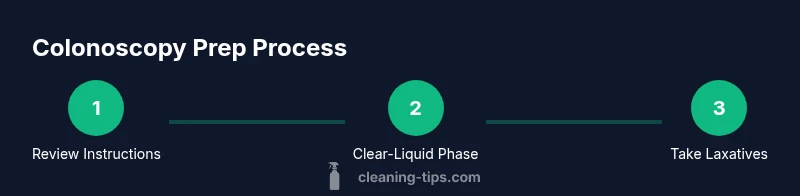
Review doctor instructions
Read your prep protocol thoroughly. Make note of exact dosing times, allowed foods, and any exceptions based on your health history. If you use a calendar, mark the doses to avoid missing them.
Tip: Keep a printed copy of instructions handy and set reminders on your phone. - 2
Begin clear-liquid phase
Start the clear-liquid diet as directed, usually the day before the procedure. Include water, broth, clear juice, and electrolyte beverages. Avoid solid foods and anything with pulp or color that could stain stool.
Tip: Avoid red or purple drinks to prevent color confusion in stool. - 3
Take prescribed laxatives at scheduled time
Follow the dosing window exactly as prescribed by your clinician. Do not improvise the amount or sequence. Sit near a bathroom after taking these medications.
Tip: Set multiple alarms and stay near a bathroom during the window. - 4
Hydrate with electrolytes
Maintain hydration with electrolyte-rich fluids. Sip gradually if you feel nauseated and avoid gulping large amounts at once.
Tip: Small, steady sips prevent vomiting and help electrolyte balance. - 5
Monitor stool progress
Note color and consistency on each bathroom visit. You should see clear or light-yellow liquid with no solid stool as prep nears completion.
Tip: If you still see solid stool after completing dosing, contact your clinician. - 6
Arrange transportation for day of procedure
Plan someone to drive you to and from the appointment if sedation is planned. Do not drive if you expect to be drowsy from sedation.
Tip: Arrange backup transportation in case of delays. - 7
Follow final day-of instructions
Adhere to any last-minute directives from the clinic, such as arrival times and fasting rules. Bring required documents and medications in their original packaging.
Tip: Don’t bring non-essential items; pack light and stay organized. - 8
Contingency steps for missed doses or issues
If you miss a dose or cannot tolerate a part of the prep, call your clinician for guidance before continuing. Do not try to improvise based on online tips.
Tip: Having contact information ready saves time in an urgent situation.
Questions & Answers
What does ully cleaned outor a colonoscopy prep mean?
Fully cleaned out means the bowel is clear enough for the doctor to visualize the lining. You should have mostly clear liquid and little to no solid stool after following the prescribed prep. If you observe persistent stool, contact your clinician.
It means your bowel is clear so the doctor can see the lining during the procedure.
Can I eat during prep?
Most protocols require a clear liquid diet prior to the procedure. Solid foods are typically avoided, and dairy is often restricted. Follow your doctor’s specific instructions.
Only clear liquids are usually allowed before the prep is complete.
What if I miss a laxative dose?
If you miss a dose, contact your clinician for guidance. Do not double-dose unless advised. Resuming as directed by your provider helps maintain a safe and effective prep.
Don’t double-dose—call your doctor to adjust safely.
Is it safe to drive after taking laxatives?
Because these preparations can cause dehydration or dizziness, arrange transportation to the procedure day and avoid driving after sedation.
Plan someone to drive you to the appointment if sedation is likely.
How long does prep usually take?
Prep timing varies by protocol, but many patients complete the process within one day or across 8-12 hours. Always follow your provider’s timeline.
Prep typically takes several hours, depending on the plan.
What if I have chronic conditions?
Chronic conditions may require modifications. Always consult your clinician about adjustments to medications, fluids, or laxative dosing.
Talk with your doctor about how your condition may change the prep.
Watch Video
The Essentials
- Know that clean bowel enables accurate visualization.
- Follow the dosing schedule precisely for success.
- Avoid red/purple drinks during prep.
- Arrange safe transport for the day of the procedure.
- Call your clinician if you have concerns or cannot tolerate prep.