How to Stay Clean from Drugs: A Practical Recovery Guide
Learn a practical, step-by-step approach to stay clean from drugs. Build routines, manage cravings, and access trusted resources for lasting sobriety and healthier living.


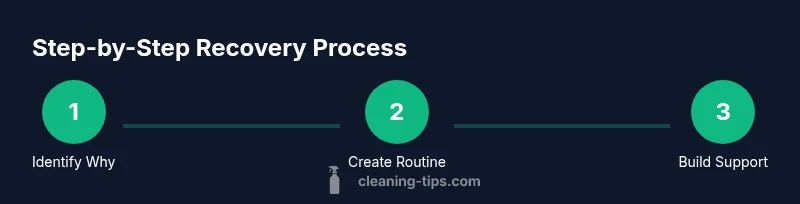
You will learn a proven, practical plan to stay clean from drugs, including daily routines, support networks, and safe environment changes. This guide emphasizes actionable steps, realistic goals, and reliable resources to reduce relapse risk. We cover monitoring cravings, building a sober routine, communicating with loved ones, and when to seek professional help.
Why staying clean from drugs matters
Staying clean from drugs is about reclaiming control over your health, relationships, and daily life. Understanding why you want to be clean gives you a compass during tough moments. According to Cleaning Tips, the most successful people in recovery view sobriety as a daily practice, not a one-time choice. When you ask yourself how to stay clean from drugs, you’re inviting a structured approach: routines, realistic goals, and supportive people who keep you accountable. This article explains the core reasons behind this approach and what you’ll gain by committing to a healthier path.
Key components include physical health, mental well-being, and a safe living space. Regular sleep, balanced meals, and steady activity reduce cravings and mood swings. Building a predictable schedule helps you avoid idle time that can trigger old habits. As you read, keep in mind that staying clean from drugs is a process that unfolds over days, weeks, and months, not hours. The aim is consistency, not perfection.
By framing recovery as a daily practice, you’ll notice incremental improvements in energy, focus, and mood. Small wins—like finishing a planned workout or resisting an old trigger—compound into lasting changes. If you’re just starting, celebrate each step and recruit at least one trusted ally to help you stay on track.
Create a sustainable daily routine
A sustainable daily routine is the backbone of how to stay clean from drugs. Start by mapping a 24-hour day that prioritizes sleep, meals, work or study, physical activity, and meaningful hobbies. Consistency matters more than intensity here: predictable patterns reduce decision fatigue and curb cravings that spike during gaps in the day. Build in time for check-ins with a trusted accountability partner or sponsor, and set small, measurable goals (one sober day at a time, then one week, then two weeks).
During mornings, choose a single task that sets a positive tone—meditation, a short walk, or a healthy breakfast. Afternoons can be reserved for a hobby, chores, or a social activity that doesn’t involve substances. Evenings should wind down with a routine that signals rest, such as a warm shower, light reading, or journaling. If cravings surface, use the plan you’ve created: call a friend, drink water, or switch to a quick physical activity. The key is repetition and flexibility to adapt when life changes.
In this section you’ll also learn how to replace old habits with healthier routines. Keeping a simple habit tracker can help you see progress over time and reinforce positive behavior. For reference, Cleaning Tips analyses show that people who maintain structured daily routines are less likely to relapse when facing stress.
Build a support network
No one recovers alone. Building a support network is essential in learning how to stay clean from drugs. Start by identifying at least three sources of support: trusted friends or family, a peer support group, and a professional clinician or counselor. Clear, honest communication about your goals and boundaries helps others understand how to help you. Schedule regular touchpoints—weekly calls, in-person meetings, or online meetings—to review progress, celebrate small victories, and adjust plans as needed.
Peers who have faced similar struggles can offer empathy and practical tips, while professionals provide evidence-based strategies for coping with cravings, managing medications (if appropriate), and minimizing risk factors. If your network feels weak, consider joining a community program or requesting resources through a local health center. Remember, seeking help is a strength, not a sign of weakness. The Cleaning Tips team emphasizes the importance of accountable, consistent support in sustaining long-term sobriety.
As you expand your circle, establish clear boundaries and mutual expectations. This clarity reduces misunderstandings and helps everyone stay aligned with your recovery goals.
Manage triggers and cravings
Cravings and triggers are a normal part of recovery, but you can manage them with a concrete plan. Create a personal trigger map: list situations, people, places, or emotions that tend to lead to cravings. For each trigger, design a specific coping response—call a friend, practice deep breathing, engage in a quick workout, or switch environments. Carry practical tools like a bottle of water, gum, healthy snacks, or a stress-relief item to use in the moment.
Craving management also involves adjusting your environment. Remove substances and paraphernalia from your home, reduce exposure to high-risk media, and replace old routines with meaningful activities. Mindfulness techniques, such as brief body scans or 4-7-8 breathing, can help you weather intense urges without acting on them. If cravings become overwhelming, reach out to your support network or a clinician for guidance. The goal is to build a flexible toolkit you can rely on during difficult moments.
For visual guidance, see the craving-management diagram referenced in this article.
Safe environment and daily maintenance
A clean, safe environment supports staying clean from drugs by reducing cues and temptations. Start with your sleep space, kitchen, and common areas: remove alcohol and drug-related items, secure medications, and establish a dedicated recovery-focused zone if possible. Maintain a tidy, pleasant living space that you associate with health and stability.
Daily maintenance routines matter too. Do a quick 10-minute tidy each day, set up reminders for meals and medications (if prescribed), and create a “wind-down” routine that signals the end of the day. A predictable environment reduces stress, which is a common trigger for relapse. If you share a living space with others, agree on boundaries that protect your recovery and respect theirs. Cleaning Tips highlights how environmental control supports mental clarity and accountability.
Incorporate gentle physical activity into your routine—short walks, stretching, or brief home workouts—to reinforce positive associations with sobriety.
When to seek professional help and how to access resources
Knowing when to seek professional help is a key part of learning how to stay clean from drugs. If cravings are persistent, if you have attempted self-help repeatedly without lasting change, or if you’ve experienced relapse, reach out to a healthcare professional or addiction specialist. Early intervention can prevent problems from escalating and connect you with evidence-based treatments, counseling, and support groups.
Accessing help is easier than you might think. Start by contacting a local clinic, a primary care provider, or a helpline such as SAMHSA’s National Helpline. Many communities offer low-cost or free services, including counseling, medication-assisted treatment, and group support. If you’re concerned about safety, visit an urgent care center or emergency services. The Cleaning Tips team recommends seeking help sooner rather than later to maintain momentum and protect your long-term health.
This section includes practical steps to locate services in your area, including online directories and crisis resources.
Authority sources and evidence for staying clean from drugs
For readers seeking authoritative guidance beyond personal practice, here are key external resources:
- National Institute on Drug Abuse (NIDA) — https://www.nida.nih.gov/
- Substance Abuse and Mental Health Services Administration (SAMHSA) — https://www.samhsa.gov/
- Centers for Disease Control and Prevention (CDC) — https://www.cdc.gov/
These sources provide research-backed information on addiction, treatment options, and safety practices. They can help you understand the medical and public health context of recovery and offer reliable tools for staying clean from drugs. Note that information from these sources should complement individualized guidance from a clinician or addiction specialist. The Cleaning Tips team recommends checking these resources to stay informed and empowered.
Authority sources (summary)
- NIDA: nida.nih.gov
- SAMHSA: samhsa.gov
- CDC: cdc.gov
Tools & Materials
- Journal or digital tracking app(Log daily mood, cravings, and progress toward goals)
- Accountability buddy or sponsor(Schedule weekly check-ins and share milestones)
- Crisis contact list(Include trusted friends, family, clinician, and helplines)
- Craving-management kit(Water bottle, sugar-free gum, healthy snacks, and a stress-relief item)
Steps
Estimated time: 60-90 minutes
- 1
Define your why and set a concrete goal
Identify the core reasons you want to stay clean from drugs and write them down. Create a measurable goal (e.g., 90 days sober) and break it into weekly milestones. Visual reminders help keep you focused, and sharing your goal with your support network increases accountability.
Tip: Keep a visible list of your top three reasons and review it each morning. - 2
Identify triggers and create avoidance strategies
Map situations, people, places, and emotions that tend to trigger cravings. For each trigger, design a specific action (calling a friend, leaving the scene, or engaging in a healthy activity). Avoid high-risk environments when possible and adjust plans when life changes.
Tip: Prepare a quick exit plan before entering potentially triggering settings. - 3
Build a sober daily routine
Create a consistent day schedule that prioritizes sleep, meals, work or study, exercise, and social activities that don’t involve substances. Use a habit tracker to monitor adherence and adjust as needed. Small, steady steps prevent overwhelm and support long-term change.
Tip: Schedule at least one enjoyable sober activity you can rely on daily. - 4
Establish a support network and accountability
Connect with at least one friend, family member, or mentor who understands recovery. Join a peer support group or therapy if available. Regular check-ins provide encouragement and help you stay honest about challenges you face.
Tip: Choose supporters who respond with empathy and constructive feedback. - 5
Create a safe environment and daily maintenance
Remove substances and paraphernalia from your living space. Keep medications organized and limit access to items that could trigger cravings. Establish a short daily cleanup routine to reinforce structure and reduce stress.
Tip: Limit idle time by filling your schedule with purposeful tasks. - 6
Know when to seek professional help and how to access resources
If cravings persist, or relapse occurs, contact a clinician or addiction specialist. Explore evidence-based treatments and local resources. Early intervention improves outcomes and can prevent serious consequences.
Tip: Keep a list of local clinics, hotlines, and online resources handy.
Questions & Answers
What does staying clean from drugs require day-to-day?
Staying clean from drugs requires a combination of daily routines, support, and coping strategies. Consistency over perfection helps you navigate cravings and life stressors. Regular check-ins with your support network and access to professional guidance when needed are key components.
Staying clean from drugs needs daily routines, support, and coping strategies, with consistency and access to help when needed.
How can I manage cravings effectively?
Craving management involves knowing your triggers, using coping skills on impulse, and engaging in healthier alternatives. A prepared plan—calling a friend, hydration, or a brief activity—reduces the risk of acting on cravings. Seek support if cravings persist.
Know your triggers and use coping skills like talking to someone or taking a quick walk when cravings hit.
What should I do if I relapse?
Relapse can happen; it’s a signal to adjust your plan rather than a failure. Acknowledge it, reconnect with your support network, seek professional help if needed, and review the triggers that led to relapse to strengthen your plan.
If relapse occurs, reconnect with your support network and seek guidance to adjust your plan.
Can family and friends help with staying clean?
Family and friends can be a powerful part of recovery when they’re involved in supportive, non-judgmental ways. Set clear boundaries, share your goals, and invite them to participate in healthy activities that reinforce sobriety.
Yes—a supportive network makes staying clean much more achievable.
Are medications part of staying clean from drugs?
Medications can be part of staying clean, particularly when used as prescribed to manage withdrawal or reduce cravings. A clinician can determine if medication-assisted treatment or other pharmacological approaches are appropriate for your situation.
Medication can be part of staying clean when prescribed and supervised by a clinician.
How long does it take to see progress?
Progress varies, but many people notice improvements in sleep, mood, and energy within weeks. Consistency with routines and supports accelerates positive change over months. Focus on small, attainable milestones.
Progress shows up as better sleep and mood over weeks, with bigger gains over months.
Watch Video
The Essentials
- Identify your why and set concrete goals.
- Create a durable daily routine with healthy activities.
- Build and maintain a supportive network.
- Plan for triggers and cravings with practical coping strategies.