Is It Safe to Clean Ears with Rubbing Alcohol? A Practical Guide
Learn why rubbing alcohol is not recommended for ear cleaning, explore safer alternatives, and follow a step-by-step approach to protect ear health for homeowners and renters.


Rubbing alcohol is not recommended for ear cleaning. It can irritate the outer ear, dry the ear canal, and push wax or debris deeper, increasing the risk of irritation or infection. For safe ear care, avoid inserting liquids into the ear canal and use doctor-approved methods or outer-ear cleaning only.
Why rubbing alcohol is not recommended for ear cleaning
According to Cleaning Tips, using rubbing alcohol to clean ears is not recommended. The ear canal is delicate, and alcohol can irritate the skin, dry the lining, and disrupt the natural wax that protects the ear. Rubbing alcohol may also cause a burning sensation or itching, especially if the skin is already irritated or cracked. When people insert liquids into the ear canal, they risk driving debris further or forcing it against the eardrum, which can lead to discomfort or an infection. The cleaning tips from Cleaning Tips emphasize that ears are self-cleaning to a degree; the wax and tiny hairs help trap dust and particles and move them outward with normal jaw movements. Therefore, heavy liquids like rubbing alcohol tend to do more harm than good for most people.
The science behind ear wax and why alcohol can backfire
Ear wax (cerumen) is produced by glands in the outer ear and serves as a natural defense against moisture, dust, and microbes. Its composition varies, but it typically acts as a barrier that helps maintain ear health. Alcohol disrupts the wax structure, can irritate the delicate skin of the ear canal, and alters the ear’s natural moisture balance. When the canal becomes dry or irritated, itching and flaking can worsen, and wax may become harder to remove rather than softer. Alcohol can also wash away protective oils that keep the canal flexible, increasing the chance of micro-tears if touched or prodded with tools. For many people, the ear’s self-cleaning mechanism is sufficient if the outer ear is kept clean and dry. This is why experts advise minimizing liquids in the ear canal and focusing on outer-ear hygiene instead.
Safe alternatives to manage ear wax and outer-ear hygiene
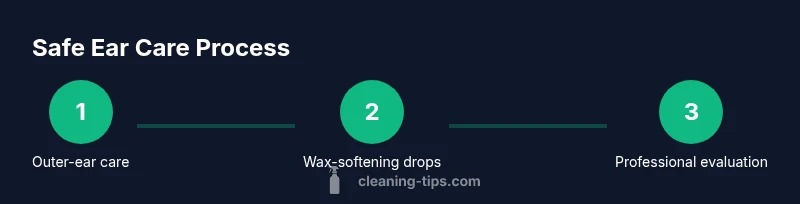
Safer options for managing ear wax and outer-ear hygiene start with outside care and wax-softening products approved for home use. If needed, use OTC ear drops designed to soften wax (often containing carbamide peroxide or saline-based formulas) according to package directions. After softening, you can gently rinse with warm water using a bulb syringe only if recommended by a clinician. Always keep the head tilted to let fluids drain and dry the outer ear with a clean towel. Another simple method is to wipe the outer ear with a damp washcloth after bathing, avoiding the ear canal entirely. The goal is to keep the outer ear clean and dry while allowing natural ear-cleansing processes to work.
Safety considerations and risks when using home remedies
Home remedies that involve liquids poured into the ear canal carry risks. Potential downsides include drying and irritation of the ear canal, worsening itching, and, in rare cases, chemical burns. People with tympanic membrane perforation, a history of ear surgery, diabetes, immune suppression, or active ear infections should avoid home irrigation or any self-administered liquids in the ear canal. If you experience pain, discharge, fever, or sudden hearing changes after a cleaning attempt, seek medical care promptly. Regular cleaning should focus on the outer ear, with medical guidance for any ear-wax concerns that persist beyond basic care.
How to tell if you might need medical help for ear issues
If you notice ongoing ear discomfort, fullness, muffled hearing, persistent itching, or discharge, these could be signs that professional evaluation is needed. A healthcare professional can safely assess the ear and determine whether ear wax removal is appropriate and which method to use, such as suction or specialized irrigation. Conditions like an active infection, a perforated drum, or prior ear surgery require professional management. When in doubt, schedule a visit with an otolaryngologist (ENT) or your primary care clinician to rule out more serious issues and to receive personalized advice.
At-home safe routine for outer-ear hygiene (non-alcohol approach)
A safe, non-alcoholic routine focuses on outer-ear hygiene. Start by washing the outer ear with lukewarm water and a mild soap if needed, then rinse and dry thoroughly with a soft towel. Avoid inserting anything into the ear canal, including cotton swabs, hairpins, or sharp objects. If you experience dry skin or itching, consider a light application of a simple, fragrance-free moisturizer around the outer ear (not inside the canal) after consulting a clinician. For deeper ear wax concerns, use doctor-prescribed or OTC wax-softening drops and follow the instructions carefully. The aim is to support natural ear cleansing while preventing damage.
Common myths about ear cleaning and debunking them
Myth: Alcohol dries out ear wax and helps clean the ear faster. Reality: It can irritate the canal and disrupt natural wax protection. Myth: You must remove all wax aggressively with tools. Reality: Ear wax is a normal, protective substance; most people don’t need aggressive removal. Myth: Ear itching always signals infection. Reality: It can be irritation or dry skin; a clinician can differentiate between dry skin, dermatitis, or infection. Understanding these myths helps people choose safer, evidence-based practices.
Authoritative guidance: trusted sources on ear care
For expert guidance, consult reputable sources such as the American Academy of Otolaryngology—Head and Neck Surgery (ENTNet) and the National Institutes of Health’s NIDCD. Additional information from the Mayo Clinic and university medical centers provides user-friendly explanations of safe ear care. These resources emphasize avoiding inserting liquids into the ear canal, using only outer-ear cleaning methods, and seeking medical help for persistent symptoms. See the cited sources for in-depth recommendations and medical nuances.
Practical takeaway: building a safer ear-care plan
Building a safer ear-care plan centers on outer-ear hygiene, avoiding the ear canal, and using professional guidance when needed. If you have concerns about wax buildup or itchiness, start with non-alcoholic options and trusted OTC products as directed. Regular check-ins with a healthcare professional ensure ear health remains a priority and helps tailor care to your needs. This approach reduces risk while preserving ear health over time.
Tools & Materials
- Soft cotton balls(For outer ear only; do not insert into the ear canal)
- Over-the-counter ear drops (carbamide peroxide or saline-based)(Use only as directed and avoid aggressive irrigation)
- Clean, dry towel(Used to dry the outer ear after bathing or washing)
- Bulb syringe (optional, for clinician-guided irrigation)(Only if advised by a clinician; never self-administer aggressive irrigation)
- Mild soap and water(Outer-ear cleaning only; avoid the ear canal)
Steps
Estimated time: 15-25 minutes
- 1
Stop using rubbing alcohol in the ears
Discontinue any practice that introduces rubbing alcohol into the ear canal. This step reduces irritation risk and preserves the natural ear environment. If you’ve already applied it, rinse the outer ear with clean water and pat dry gently.
Tip: If irritation occurs, rinse immediately and seek medical guidance. - 2
Use safer wax-softening options when needed
Follow package directions for OTC wax-softening drops designed for cerumen. Apply the recommended number of drops, wait the stated time, and avoid inserting objects into the canal.
Tip: Never exceed the recommended drops; overuse can irritate the canal. - 3
Gently rinse the outer ear only if advised
If a clinician approves irrigation, use warm water and a bulb syringe with caution. Tilt the head, gentle squirts on the outer ear, and allow drainage. Dry the outer ear with a clean towel.
Tip: Do not aim water directly into the ear canal or ear drum. - 4
Dry and inspect the outer ear
After any cleaning, dry the outer ear thoroughly. Check for redness, swelling, or discharge that persists beyond a few days, which may indicate an issue.
Tip: If you notice pain or discharge, stop and seek professional evaluation. - 5
Seek professional help for persistent issues
If wax buildup or itching persists despite safe outer-ear care, schedule an appointment with an ENT or your primary care clinician to explore safe, appropriate removal options.
Tip: Professional removal methods are safer and more effective for stubborn wax.
Questions & Answers
Is rubbing alcohol safe for ears at all?
No. Rubbing alcohol can irritate the skin of the outer ear, dry the ear canal, and potentially cause damage if it reaches the eardrum. Safer alternatives exist for common ear-cleaning needs.
Rubbing alcohol can irritate the ear skin and may damage the ear if it gets near the drum. Safer options are available for outer-ear care.
What should I use instead of rubbing alcohol to soften wax?
Od-friendly options include over-the-counter ear drops with cerumen-softening ingredients or saline-based drops, used strictly as directed. Always avoid inserting liquids into the ear canal unless advised by a clinician.
Use wax-softening drops or saline drops as directed, and avoid putting liquids into the ear canal unless a clinician says it's okay.
Can I irrigate my ears at home?
Irrigation may be safe under a clinician’s guidance, using appropriate equipment and technique. Self-irrigation without professional instruction can risk damage to the ear and should be avoided.
Only irrigate under medical guidance to protect the ear from injury.
What are signs I should seek medical help immediately?
Seek care for severe ear pain, swelling, fever, hearing loss that worsens, or discharge. These may indicate infection or injury requiring professional evaluation.
If you have severe pain or discharge, seek medical help right away.
How often should I clean my outer ear?
Clean the outer ear as part of normal hygiene—no more than needed. Avoid aggressive attempts to remove wax; your ears usually manage wax on their own.
Clean the outer ear as needed and avoid aggressive wax removal.
Are there populations that should avoid self-care ear practices?
People with diabetes, immune issues, a history of ear disease, or recent ear surgery should consult a clinician before attempting any ear care at home.
People with certain conditions should seek clinician guidance before home ear care.
Watch Video
The Essentials
- Avoid rubbing alcohol for ear cleaning.
- Rely on outer-ear hygiene and non-alcoholic options.
- Use wax-softening drops only as directed by a clinician or product label.
- Seek professional help for persistent issues or pain.
- Always refer to trusted sources for ear-care guidance.