What Clean Belly Button With: A Practical Cleaning Guide
Learn how to safely clean your belly button using mild soap, water, and gentle tools. This Cleaning Tips guide covers steps, materials, tips, and common questions.


By following this guide, you will safely clean the belly button using simple, gentle steps and common household items. You’ll identify your navel type, assemble mild soap, clean water, and soft tools, then perform a careful routine that minimizes irritation. This approach answers the question of what clean belly button with and emphasizes safety for everyday hygiene.
What clean belly button with: core idea and safety
At its core, proper naval hygiene is simple and safe when you use mild soap, warm water, and gentle tools. When people ask what clean belly button with, the answer is a mild soap solution and patient, clockwise cleaning around the skin folds. This routine reduces buildup from sweat and skin oils, helps prevent odor, and lowers the risk of irritation. Avoid aggressive scrubbing, deep probing with sharp objects, or using household cleaners that contain perfumes or alcohol near the skin. If you have a piercing or recent umbilical surgery, follow medical guidance before cleaning more than routine care. By keeping the process gentle and controlled, you protect delicate skin while maintaining cleanliness and confidence in your daily hygiene. According to Cleaning Tips, naval hygiene can be integrated into your regular shower routine without special equipment. Cleaning Tips analysis shows that irritation often results from using harsh products or scrubbing too hard. A calm, measured approach supports long-term skin health while keeping the area free of debris.
Anatomy and sensitivity: navels vary
Not all belly buttons are the same, and skin around the navel is relatively thin and sensitive. Innies and outies have different contours, which means the same cleaning motion may feel different from person to person. For innies, debris tends to collect along the inner folds; for outies, the exposed surface may accumulate sweat more quickly. Recognize that the goal is gentle removal of surface buildup, not deep scrubbing into the body. If you notice tenderness, itching, or redness, back off and switch to a milder approach. The goal is to maintain a clean, comfortable area without disrupting the natural balance of the skin.
A practical cleaning framework
A reliable framework makes naval care predictable and safe. Start by assessing your navel and choosing a mild, fragrance-free soap. Use warm (not hot) water to soften any buildup. Apply soap to your fingertips or a soft cloth, then clean the area with light, circular motions along the skin folds. Rinse thoroughly with clean water and dry completely. If your skin reacts, pause and switch to water-only cleaning for a few days. This framework helps ensure you’re not relying on aggressive products or tools.
Safe cleaning agents: what to use and what to avoid
Safe agents include mild, fragrance-free soap and sterile saline if needed. Soaps with added perfumes, astringents, or alcohol can irritate the delicate skin of the navel. Avoid hydrogen peroxide or iodine unless advised by a clinician, as these can dry or injure sensitive skin with frequent use. Water alone is sometimes sufficient for daily maintenance. For those with very sensitive skin, consider a hypoallergenic cleanser labeled for babies or sensitive adults, and always test on a small patch first.
Tools and techniques: choosing the right method
A soft washcloth or clean cotton pad works well; cotton swabs are acceptable for the immediate periphery if used gently, but never insert into the navel canal. Start with a damp washcloth, then move to a cotton swab for the inner folds only if needed. Use light pressure and short strokes rather than scrubbing in circles across the entire area. After cleaning, rinse or wipe away any soap completely to prevent residue that can irritate the skin.
Piercings, stumps, and special cases
If you have a piercing, follow the piercings’ aftercare guidelines provided by the professional who performed the piercing. Clean the area gently but avoid disturbing the jewelry. For recent umbilical procedures or a healing stump, keep the area dry and avoid applying heavy products that could trap moisture. In all cases, observe for signs of infection: increasing redness, swelling, warmth, or discharge that is foul-smelling. If any concern arises, consult a clinician promptly.
Common mistakes to avoid
Common mistakes include scrubbing too hard, using alcohol-based products, or using cotton swabs to probe deeply. Over-washing the area can disrupt natural oils and cause irritation. Using hot water can increase skin sensitivity, and failing to dry thoroughly allows moisture that can foster irritation or smells. Always finish with thorough drying and avoid applying moisturizers that leave a sticky residue unless advised by a clinician. For official guidance, see CDC.gov and NIH.gov for clinical context.
When to seek professional advice
If you notice persistent redness, swelling, pus, unusual odor, or if you have diabetes, immune compromise, or recent abdominal surgery, seek medical guidance. A clinician can assess for infections, cysts, or skin conditions that require treatment beyond routine care. Timely consultation helps prevent complications and ensures you’re using the right products for your skin.
Cleaning frequency: daily, weekly, and after showers
For most people, naval cleaning can be done during regular showers, a few times per week, or as needed when you notice buildup or odor. Daily maintenance isn’t necessary unless you perspire heavily or have active skin conditions. Use a rule of thumb: if it feels clean and dry, you’re likely fine. When uncertain, a quick rinse with warm water can refresh the area without soap.
Odors and infections: what to watch for
A slight natural odor can occur due to sweat and skin oils, but a persistent or strong smell may indicate buildup, irritation, or infection. Watch for redness that lingers after cleaning, tenderness, warmth, or discharge that resembles pus. If any of these signs appear, it’s wise to pause cleaning and seek medical advice. Early assessment protects your health and prevents complications.
Variation, irritation, and long-term care
Different bodies respond differently to cleansing regimes. If you notice irritation that lasts beyond a short cleaning session, back off and consult a professional. Keep your routine flexible: sometimes less is more when skin is sensitive. Combining naval hygiene with overall skin care—gentle cleansing, moisturization where appropriate, and protective clothing—supports healthy skin around the abdomen.
Integrating naval care into your daily hygiene routine
Naval care fits naturally into your shower or bedtime routine. The key is consistency and gentleness. By using a mild soap, warm water, and breathable fabrics, you reduce the risk of moisture buildup and irritation. This approach keeps the belly button clean without demanding extra steps, and it complements broader personal hygiene practices that Cleaning Tips endorses for a healthier home.
Tools & Materials
- Mild, fragrance-free soap(Choose a soap labeled for sensitive skin (pH-balanced))
- Warm water(Aim for comfortable temperature; test on inside of wrist)
- Soft washcloth(100% cotton or microfiber; must be clean)
- Cotton swabs(Only for outer periphery; do not insert into the canal)
- Dry towel(Pat area dry completely)
- Saline solution (optional)(For rinsing if soap causes irritation)
- Gloves (optional)(If you prefer extra hygiene during self-cleaning)
Steps
Estimated time: 15-20 minutes
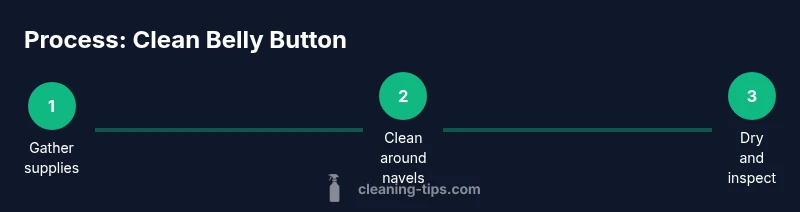
- 1
Gather supplies
Collect all items from the tools materials list; wash hands; prepare a clean workspace.
Tip: Having everything ready minimizes rushing and reduces the risk of dropping items. - 2
Rinse the area with warm water
Gently splash or dampen the area with warm water to loosen debris without soaking the skin.
Tip: Test water temperature on the inside of your wrist before applying. - 3
Apply a small amount of mild soap
Moisten your fingertips or washcloth and apply a tiny amount of soap; avoid over-lathering.
Tip: Use fragrance-free soap to prevent irritation. - 4
Clean around the inner folds with gentle motions
Using the washcloth or cotton swab, wipe around the navel in light circles; do not press hard or insert into the canal.
Tip: Be careful near any piercing; do not irritate. - 5
Rinse away soap completely
Rinse using clean warm water until no soap residue remains.
Tip: Check for any soap film and wipe away. - 6
Dry thoroughly and inspect
Pat dry with a clean towel and inspect for redness, irritation, or discharge.
Tip: If you notice irritation, stop and consult a clinician.
Questions & Answers
How often should I clean my belly button?
Most people clean during showers or a few times per week as needed for buildup or odor. Regular maintenance is usually enough.
Clean during showers or a few times a week as needed; adjust to odor or buildup.
Can I use hydrogen peroxide or rubbing alcohol?
Avoid these near the skin; stick to mild soap. If you have sensitive skin, consult a clinician before trying stronger solutions.
Avoid hydrogen peroxide or rubbing alcohol; use mild soap instead.
What about Piercings?
Follow your piercer's aftercare guidelines. Clean gently and avoid disturbing the jewelry during routine cleansing.
Be gentle and follow aftercare guidelines for piercings.
Is odor normal after cleaning?
A small natural odor can occur, but persistent odor may indicate buildup or irritation.
If it sticks around, consider adjusting your routine and consult if it worsens.
What if I have a skin condition around the navels?
Consult a clinician for conditions like eczema or dermatitis; use gentler products and avoid irritants.
Seek medical advice if you have eczema or dermatitis near the navel.
Can cleaning damage the skin around the navel?
Yes, harsh products or aggressive scrubbing can injure sensitive skin; use gentleness and stop if irritated.
Be gentle and avoid harsh scrubs or chemicals near the skin.
Watch Video
The Essentials
- Choose mild soap and warm water.
- Clean gently, avoid deep insertion.
- Dry completely and monitor symptoms.
- Seek medical advice if redness or discharge persists.