What to Do After Cleaning Teeth from Dentist: A Practical Aftercare Guide
Learn practical aftercare steps after a dentist cleaning to protect enamel, soothe gums, and maintain a fresh mouth. Includes brushing, flossing, dietary tips, and red flags that require a follow-up.


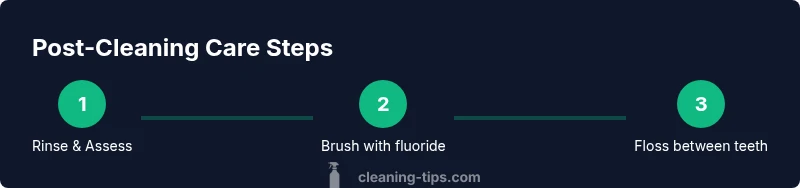
After a cleaning, your goal is to protect enamel, soothe gums, and extend the freshness. Start with a gentle rinse, then brush with fluoride toothpaste, floss between teeth, and avoid hard or acidic foods for 24 hours. If needed, use a desensitizing paste and note any unusual sensitivity for your next visit.
What to Do Immediately After Cleaning Teeth
After you leave the dental chair, your mouth is freshly cleaned and a bit more sensitive. If you're wondering what to do after cleaning teeth from dentist, you can protect this temporary state by sticking to a gentle, protective routine for the next 24 hours. The goal is to preserve enamel polish, reduce sensitivity, and keep the gum tissue calm while your mouth re-adapts to regular eating and drinking. Start with a light rinse using clean water or a fluoride rinse to help remineralize exposed surfaces. Then prepare a soft-bristled brush and a fluoride toothpaste, two essentials that support the aftercare plan described by Cleaning Tips. As you brush, use light pressure and small circular motions to clean all tooth surfaces without abrading the newly polished areas. The moment you finish brushing, floss between teeth to dislodge any debris that may have shifted during the cleaning. If you notice lingering tooth sensitivity or gum tenderness, consider applying a desensitizing toothpaste as directed by your clinician. Avoid hot beverages and acidic drinks for the first day, and minimize snack foods that can leave sticky residues or stain-prone acids on enamel. Staying hydrated with water also helps saliva production, which naturally protects enamel after cleaning and assists in washing away residual particles. The first 24 hours set the tone for the next few days, so a careful, steady approach matters more than rapid, aggressive brushing or rinsing.
Why Aftercare Matters for Gum and Enamel Health
Post-cleaning care isn't just about feeling fresh. It supports long-term gum health, protects the newly polished enamel, and helps maintain the results of your professional cleaning. The enamel surface is temporarily more receptive to remineralization, and the gums may be more sensitive to temperature and texture changes. Following a structured aftercare routine minimizes plaque reaccumulation and reduces the likelihood of staining or sensitivity. According to Cleaning Tips, consistent aftercare practices can improve patient comfort and contribute to better oral health outcomes over time. Gentle brushing with a fluoride toothpaste helps reinforce enamel defenses, while regular flossing addresses interproximal plaque that can accumulate even after a professional cleaning. If your dentist provided specific products or a personalized plan, prioritize those recommendations, as they reflect your mouth’s unique needs. Over the days that follow, you should monitor for unusual changes in bite, persistent sensitivity, or swelling, and report them during your next visit. The aim is to extend the benefits of the cleaning while avoiding setbacks that could require additional treatment.
The First 24 Hours: Avoiding Common Pitfalls
The early hours after a professional cleaning are critical for preserving your results. Avoid biting down on hard items like ice or hard candies, as the polish and enamel might be temporarily more delicate. Steer clear of highly acidic beverages such as citrus juices or carbonated drinks, which can temporarily lower oral pH and irritate the gums. Do not brush aggressively; this can wear down newly cleaned surfaces and irritate tender gum tissue. Instead, opt for soft brushing with light pressure and a frequency that matches your normal routine, ensuring you still clean all surfaces. If you experience sensitivity, a desensitizing toothpaste may help, but only use it as directed by your clinician. Limit alcohol-containing mouthwash and avoid using it as a substitute for brushing and flossing. Throughout this period, maintain hydration with water and choose bland, non-acidic foods that are easy to chew. This combination supports recovery and keeps the mouth comfortable while the natural healing processes do their work.
Practical At-Home Care: Brushing, Flossing, and Tools
A successful aftercare routine combines proper technique with the right tools. Use a soft-bristled toothbrush with fluoride toothpaste, and hold the brush at a 45-degree angle toward the gum line. Brush gently in short, circular motions, covering outer, inner, and chewing surfaces of every tooth. Floss at least once daily to remove debris between teeth and below the gum line, using a gentle sawing motion rather than forceful snapping. If you have gaps, bridges, or implants, use an interdental tool or floss threader as recommended by your dentist. Some people find desensitizing toothpaste useful for short-term sensitivity; if recommended, apply it as directed. A mild, alcohol-free mouthwash can be a supplementary step, but it should not replace brushing or flossing. If your clinician prescribed any rinses, use them exactly as instructed. Monitor the mouth for any unusual bleeding, swelling, or persistent tenderness, which could indicate a brewing issue that requires professional assessment. Regular routine remains essential: twice-daily brushing, once-daily flossing, and periodic professional cleanings to maintain long-term oral health.
Diet, Habits, and Substances That Help or Hurt Freshness
Diet and daily habits significantly influence how long the benefits of a cleaning last. Immediately after cleaning, choose foods that are easy to chew and non-acidic to minimize enamel irritation. Water remains the best beverage for rinsing away particles and supporting saliva production. Avoid dark or staining liquids such as coffee, red wine, and strongly colored sodas for at least 24 hours, or rinse after consuming them if possible. Sugary snacks should be limited because they fuel plaque formation, which can negate early benefits of cleaning. If you smoke, consider delaying until your mouth feels comfortable and discuss cessation support with your dentist, as smoking can rapidly stain teeth and impair healing. Dairy products like yogurt and cheese provide calcium and casein, which can help remineralize enamel, while fibrous fruits and vegetables can aid in natural cleaning and stimulate saliva production. Chewing sugar-free gum after meals can also promote saliva flow. Finally, maintain a consistent eating schedule to avoid prolonged periods of dry mouth, which can leave teeth more vulnerable to sensitivity and decay.
When to Contact Your Dentist and What to Watch For
While most people recover smoothly after a cleaning, certain signs warrant professional attention. Call your dentist if you notice prolonged or worsening sensitivity beyond 24-48 hours, unusual bleeding, swelling, or pain that interferes with eating or speaking. If you experience a loose filling, broken restoration, or sharp edges anywhere in the mouth after a cleaning, arrange a check-up promptly. If you have persistent bad breath or a sour taste that does not improve with routine hygiene, there may be an underlying issue that needs assessment. In some cases, your clinician may have provided personalized home care instructions or recommended follow-up visits based on your mouth’s health. Keeping a simple log of symptoms and when they occur can help your dentist tailor care on your next appointment. Remember that staying consistent with brushing, flossing, and regular dental visits is the best long-term strategy for maintaining a clean, healthy mouth after a professional cleaning.
Tools & Materials
- Soft-bristled toothbrush(Small head; gentle bristles; replace every 3-4 months)
- Fluoride toothpaste(Look for ADA Seal of Acceptance; avoid whitening agents for sensitivity)
- Floss or interdental floss(Waxed floss can ease sliding between teeth; floss threader for bridges)
- Alcohol-free mouthwash (optional)(Use only if recommended; not a substitute for brushing/flossing)
- Desensitizing toothpaste (optional)(Only if your dentist advised use for sensitivity)
- Water glass or cup(For gentle rinsing between brushing steps)
Steps
Estimated time: 30-40 minutes
- 1
Rinse and assess
Gargle with a small amount of clean water or a fluoride rinse. This helps remove stray particles and gives you a baseline feel for sensitivity. Observe gum tissue for any tenderness or swelling.
Tip: Use lukewarm water to avoid temperature shocks that can irritate sensitive gums. - 2
Brush with fluoride toothpaste
Brush all tooth surfaces with gentle, circular motions for two minutes total. Do not rush or scrub aggressively over the polished areas created by your hygienist.
Tip: Keep the brush at a 45-degree angle toward the gum line—this targets plaque at the border correctly. - 3
Floss between teeth
Gently slide floss between each pair of teeth, using a clean segment for each space. Curve the floss around each tooth and slide beneath the gum line to remove debris.
Tip: If a bridge or orthodontic appliance is present, use a floss threader or interdental brush as advised. - 4
Choose foods wisely for 24 hours
Select soft, non-acidic foods for the first day. Avoid biting into hard items and minimize acidic beverages until sensitivity settles.
Tip: Sip water with meals to aid saliva flow and help neutralize acids. - 5
Consider desensitizing options
If sensitivity persists, use a desensitizing toothpaste according to your clinician’s directions. Do not overuse products not intended for daily protection.
Tip: Apply only the recommended amount and watch for any reactions in the first 24 hours. - 6
Plan follow-up and track symptoms
Note any persistent discomfort, sensitivity, or unusual changes. Schedule a follow-up if symptoms continue for more than a couple of days.
Tip: Keep a simple log of symptoms to discuss at your next visit.
Questions & Answers
What should I do immediately after a dental cleaning?
Begin with a gentle rinse, brush with fluoride toothpaste using light pressure, and floss between teeth to remove debris. Avoid hot or acidic drinks for a short period and monitor for sensitivity.
Start with a gentle rinse, then brush softly with fluoride toothpaste and floss between teeth to remove debris. Avoid hot or acidic drinks for now and watch for any sensitivity.
Is it safe to brush right after a cleaning?
Yes, brushing after a cleaning is recommended, but use a soft-bristled brush and light pressure to protect the freshly cleaned surfaces.
Yes—brush gently with a soft brush to protect the cleaned surfaces.
Can I eat right after the cleaning?
Eating is allowed, but choose soft, non-acidic foods for the first meal to avoid irritation. Avoid very hot or very cold items if you feel sensitivity.
You can eat, but start with soft foods and avoid extremes in temperature if you have sensitivity.
What if I feel sudden sensitivity after cleaning?
Some sensitivity is common. If it lasts more than a day or worsens, contact your dentist. They may recommend a desensitizing toothpaste or a follow-up check.
If sensitivity sticks around beyond a day or worsens, reach out to your dentist.
Should I use mouthwash after cleaning?
Mouthwash can be used, but it should not replace brushing and flossing. Choose an alcohol-free option if advised by your clinician.
Mouthwash is optional and should not replace brushing; pick an alcohol-free version if your dentist recommends it.
When should I schedule my next cleaning?
Follow your dentist’s recommended interval, typically every six months, unless you have a higher risk for dental disease requiring more frequent visits.
Most people schedule every six months, but follow your dentist’s advice for your risk level.
Watch Video
The Essentials
- Rinse gently, then brush with fluoride toothpaste.
- Floss daily to remove interproximal debris.
- Avoid hard or acidic foods for 24 hours after cleaning.
- Use desensitizing paste if advised by your dentist.
- Monitor for persistent sensitivity and schedule follow-up if needed.