What to Do If Cleaner Gets in Your Eye
Learn practical, step-by-step actions to safely rinse a chemical cleaner from the eye, know when to seek medical help, and prevent future exposures with simple safety habits.


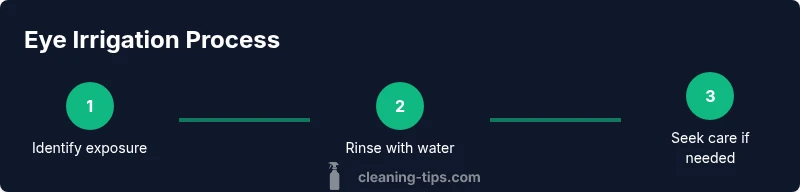
If cleaner gets in your eye, rinse immediately with clean running water or sterile saline for at least 15 minutes, holding the eyelids open to flush from the inner to outer corner. Do not rub or apply soap. Remove contact lenses if present unless doing so causes more irritation. Seek medical attention promptly if pain, persistent redness, vision changes, or chemical burns occur.
Immediate Actions: Act Fast, Stay Calm
In a cleaning mishap, time matters. Your first goal is to minimize chemical exposure and reduce irritation. If someone else is with you, have them assist by keeping the eyelids open and guiding you to a sink. Move away from any other chemicals to avoid additional splashes. Clear the area of clutter so you can focus on rinsing and eye safety. According to Cleaning Tips, quick, calm action lowers the risk of lasting irritation and helps you manage the scene more effectively. Throughout this section you’ll see practical guidance that centers on speed, poise, and clear steps you can take in the first moments after exposure. By staying composed, you’ll set up the best chance for a comfortable recovery and a smoother path to professional care if needed.
What to do now, even before you decide whether to call for help:
- If the cleaner is a known caustic or corrosive substance, prioritize flushing and avoid delaying medical advice.
- If someone else is with you, ask for assistance to hold your eyelids apart and to guide you to the faucet or eyewash.
- If you wear contact lenses, prepare for removal after the initial rinse, unless they are already causing significant irritation.
- Do not rub your eye, as rubbing can worsen irritation or scratch the cornea. Rubbing distributes the chemical and can cause deeper injury.
Safety note: If you experience severe pain, vision loss, double vision, or signs of a chemical burn, treat it as an emergency and seek urgent medical care immediately.
Rinsing Thoroughly: How to Flush Safely
Rinsing your eye thoroughly is the centerpiece of first aid for a chemical splash. Start with clean running water at a comfortable, lukewarm temperature. Position your head so the water runs from the inner corner toward the outer eyebrow, allowing the entire surface of the eye to be flushed. Maintain a gentle flow to avoid forcing the chemical deeper into the eye or onto surrounding skin. If you have access to an eyewash station, use it according to its instructions, ensuring both eyes are flushed if both were exposed. Keep rinsing for at least 15 minutes, rechecking the clock frequently to maintain a steady pace. While you rinse, avoid any attempts to neutralize the chemical with household acids or bases, as this can worsen irritation. After rinsing, gently pat the area dry with a clean cloth. If you wear contact lenses, refrain from reinserting them until your eye has been evaluated by a professional.
Why this matters: many common household cleaners contain irritants like ammonium hydroxide or bleach-like compounds. A rapid, thorough rinse minimizes chemical contact time with the cornea and reduces the chance of ongoing irritation or corneal injury.
Pro tip: If you can, tilt your head toward the side opposite the affected eye to keep water from running into the other eye and to help drain away the chemical.
Saline vs Tap Water: Choosing the Best Flush Option
Plain tap water is a practical, readily available rinse method, and it’s better than no rinse at all. However, sterile saline solution or an eye irrigation solution has advantages: it has a composition closer to natural tears and is less likely to irritate or sting further if it’s available. If you’re cleaning up a spill and have saline on hand, use it for the initial rinse after you’ve started with running water. In many homes, a commercial eyewash solution is a practical compromise between tap water and a medical-grade rinse. If you’ve used a different liquid to rinse, stop and switch to water or saline as soon as possible.
Important caveats:
- Do not mix unknown substances with saline or water.
- Avoid applying any household detergents or soaps directly into the eye.
- If the cleaner is strongly alkaline or acidic, you may need longer flushing times and professional assessment.
Ultimately, the goal is to maximize dilution and removal of irritants with minimal additional irritation. When in doubt, seek guidance from a medical professional or poison control.
Bottom line: start with water, then use saline if available, and always avoid adding anything else to the eye unless instructed by a clinician.
Contact Lens Wearers: Handling Lenses During and After Exposure
If you wear contact lenses and an exposure occurs, remove lenses as soon as you can do so safely after the initial rinse. Contact lenses can trap chemical residues against the cornea, prolonging exposure. If you cannot remove lenses without discomfort or further irritation, keep rinsing and wait for a professional to assist. After the initial rinse and lens removal (if possible), re-evaluate symptoms. If pain, blurred vision, or persistent redness develops, seek immediate medical care. When you have to reinsert lenses later, consult an eye-care professional about whether your lenses or eye surface sustained any injury that requires different care.
Why this matters: contact lenses can shield the eye from airflow but trap chemicals close to the cornea, increasing the risk of corneal injury if not removed promptly.
Tip for lens wearers: carry a spare pair of daily disposables for emergencies and store basic eye rinse or saline nearby in your bathroom kit.
Aftercare: Symptoms, Monitoring, and Follow-Up
After you’ve rinsed, monitor your eye closely for several hours. If discomfort recurs, or you notice continued tearing, redness, light sensitivity, or blurred vision, pursue medical advice. For mild irritation, a same-day follow-up with a primary care clinician or eye care professional is often prudent, especially if the cleaner’s label indicates caustic ingredients. Do not rely on over-the-counter eye drops unless a clinician has recommended them for you. If pain worsens, or if vision changes, go to the nearest urgent care or emergency department. Bring the cleaner’s bottle or label to help the clinician identify the chemical and provide targeted guidance.
Why follow-up matters: some cleaners cause delayed reactions or corneal surface changes that aren’t immediately obvious. Prompt evaluation helps prevent persistent symptoms and ensures appropriate care.
Prevention: Everyday Safety to Reduce Eye Exposures
Prevention is the best medicine. Small changes can dramatically reduce the risk of eye exposure during household cleaning:
- Wear protective eyewear or safety goggles when mixing or pouring cleaners, especially near the sink or in tight spaces.
- Read labels for eye safety warnings and avoid combining cleaners that release dangerous gases or create unpredictable reactions.
- Keep cleaners capped and stored separately from food and cosmetics; store in a cool, dry place away from pets and children.
- Use dedicated tools for cleaning tasks and avoid transferring cleaners to food surfaces or drinkware.
- If you have a history of eye sensitivity, consider a personal eyewash bottle as part of your cleaning kit.
By adopting these practices, you’ll minimize accidental splashes and make future cleanups safer for you and others in your home.
Authority Sources: Where to Learn More
If you want in-depth, medically reviewed guidance, check these trusted sources:
- https://www.cdc.gov/ (U.S. Centers for Disease Control and Prevention)
- https://www.aao.org/ (American Academy of Ophthalmology)
- https://www.nih.gov/ (National Institutes of Health)
These sources provide evidence-based recommendations on eye exposure and first aid for chemical splashes, including when to seek urgent care and how to recognize signs of serious injury.
Tools & Materials
- Clean running water source (sink faucet or tub)(Lukewarm water preferred; avoid hot water that may irritate or burn.)
- Sterile saline solution or eyewash(Use if available; helps dilute irritants and reduces stinging.)
- Eyewash bottle or cup(Helpful for focused irrigation; not a substitute for a running faucet.)
- Towels or clean gauze(Pat around the eye gently after rinsing; avoid rubbing.)
- Personal protective equipment (gloves, safety glasses)(Gloves help protect your hands when assisting someone else.)
- Cleaner bottle label(Know the chemical type to anticipate potential injury and follow instructions.)
Steps
Estimated time: Total time: 30-60 minutes
- 1
Identify exposure and prepare
Take a deep breath, locate the cleaner bottle, and move to a sink or eyewash. Ensure you have water available and remove any jewelry or obstacles that could hinder the rinse.
Tip: If someone is with you, ask for help to hold your eyelids open during rinsing. - 2
Start rinsing with water
Begin flushing the affected eye with a steady, gentle stream of lukewarm water or saline. Keep the flow directed from the inner corner toward the outer area to wash away contaminants.
Tip: Aim for at least 15 minutes of continuous flushing; set a timer if possible. - 3
Keep lids open and avoid rubbing
Use your fingers to keep both upper and lower lids away from contact with the chemical. Rubbing can cause corneal abrasions or spread the irritant.
Tip: If you cannot hold your eye open, have someone assist you. - 4
Remove contact lenses if safe
If you wear contacts and they do not cause additional discomfort, remove them after the initial rinse. If removal is painful, continue rinsing and seek help.
Tip: Bring the lenses to the clinician so they can assess lens integrity and exposure risk. - 5
Assess symptoms post-rinse
After flushing, check for ongoing pain, redness, tearing, or vision changes. If symptoms persist or worsen, escalate care.
Tip: Having the cleaner label handy helps the clinician tailor treatment. - 6
Seek medical care when indicated
If there is persistent pain, vision changes, discharge, or signs of chemical burns, go to urgent care or emergency services.
Tip: Call ahead to notify them of the chemical involved if possible. - 7
Follow-up and prevention
Schedule a follow-up with an eye care professional if advised and adopt preventive measures to reduce future exposure.
Tip: Keep eyewash available and review cleaning labels with household members. - 8
Document and review safety
Note the incident, the chemical involved, and the response steps you took to improve preparedness for next time.
Tip: Share the learning with others in the household to prevent recurrence.
Questions & Answers
What should I do first if cleaner splashes into my eye?
Rinse the eye immediately with clean water or saline for at least 15 minutes while keeping the eyelids open. Do not rub the eye, then assess symptoms and seek medical care if pain or vision changes persist.
Rinse for 15 minutes with clean water, avoid rubbing, and seek medical care if pain or vision changes persist.
Is tap water okay for flushing a chemical splash?
Yes, tap water is acceptable for an initial rinse, but saline solution is preferred if available. Avoid mixing unknown substances and continue rinsing until symptoms improve or medical guidance is obtained.
Tap water works for a first rinse, but saline is better if you have it. Keep rinsing and seek guidance if symptoms persist.
How long should I rinse when a chemical gets in my eye?
Rinse continuously for at least 15 minutes. If the cleaner label indicates longer flushing or if symptoms worsen, continue rinsing and seek medical help promptly.
Continue rinsing for at least 15 minutes and seek medical help if symptoms persist.
Should I remove contact lenses after chemical exposure?
If it is safe to do so, remove contact lenses after the initial rinse to reduce contamination. If removal is difficult or causes pain, continue rinsing and seek professional help.
Remove lenses if safe after flushing; if not, continue rinsing and consult a clinician.
When is it necessary to seek emergency care?
Go to emergency care if you have severe pain, vision changes, persistent redness, discharge, or signs of a chemical burn even after rinsing.
If pain or vision changes persist after rinsing, seek urgent care.
What information should I bring to the clinician?
Bring the cleaner’s bottle or label, approximate time of exposure, and a summary of what you did for rinsing. This helps clinicians tailor treatment quickly.
Bring the cleaner’s label and timing details to the clinician to help with treatment.
Can I use eye drops or ointments after a chemical splash?
Only use eye drops or ointments if a clinician specifically recommends them. Unsupervised use may mask symptoms or worsen injury.
Only use medications if a clinician prescribes them.
What preventive steps reduce future eye exposure at home?
Store cleaners safely, wear eye protection during cleaning, and read labels for safety warnings. Keep eyewash or saline accessible for quick responses.
Store cleaners safely, wear protective eyewear, and keep eyewash handy.
Watch Video
The Essentials
- Rinse immediately for at least 15 minutes.
- Do not rub the eye or mix in other substances.
- Remove contacts if safe to do so after the initial rinse.
- Seek urgent care for persistent pain or vision changes.
- Prevent future exposures with proper storage and protective eyewear.