When Cleaning Items Contaminated with Pseudomonas: A Practical Guide
A practical, step-by-step guide to safely cleaning items contaminated with pseudomonas, covering PPE, disinfection, risk assessment, and prevention tips for homeowners and renters.


Goal: safely clean items contaminated with pseudomonas and prevent spread. If contamination is suspected, isolate the item, wear gloves and eye protection, and use an EPA-registered disinfectant proven effective against Pseudomonas aeruginosa. Follow the product’s contact time, ventilate the area, and wash hands after cleaning. When in doubt, discard porous materials that can't be cleaned. Wear a mask if splashes are possible.
Why Pseudomonas matters in everyday cleaning
According to Cleaning Tips, pseudomonas aeruginosa is a versatile environmental bacterium that can contaminate damp spaces and objects around the home. It isn’t always visible, but in bathrooms, kitchens, laundry areas, and on common cleaning tools it can persist on moist surfaces and within tiny crevices. The Cleaning Tips team notes that understanding where pseudomonas hides and how it behaves helps homeowners protect families, especially children, older adults, and anyone with a weakened immune system. Pseudomonas thrives in warm, moist places and can form slimy biofilms on soap scum, rinse hoses, sponges, and misting devices. When contamination is suspected, adopt a practical, no-nonsense approach: isolate the item, wear PPE, and follow proven disinfection steps. This guidance is designed for real homes, not labs, and focuses on routines that reduce risk while keeping cleaning approachable and affordable. The goal is to disinfect with consistency, and good hand hygiene closes the loop between cleaning and safety.
In households with pets or compromised health, the stakes are higher, so you should be extra careful about porous items and shared surfaces. By staying organized and following labels, you can minimize exposure while maintaining clean, healthy living spaces.
When to treat items as contaminated and risk assessment
Treat an item as contaminated when you observe visible soil, persistent moisture, or evidence of biofilm formation on non-porous or porous surfaces. Porous items—such as sponges, towels, or certain brushes—are particularly risky because bacteria can survive inside fibers. If anyone in the household has a health condition, is very young, or is immunocompromised, err on the side of stricter handling and consider disposal when cleaning reliability is uncertain. Start by isolating the item from dishes, clothing, and other surfaces. If feasible, quarantine containers or bags for contaminated items and place them in a separate area during your cleaning cycle. Cleaning Tips emphasizes a cautious but practical approach so you don’t overreact or underreact. The aim is to control moisture, limit cross-contamination, and minimize exposure while selecting an appropriate disinfection method.
Always evaluate the surface type, moisture level, and contact risks. Non-porous surfaces (like ceramic, glass, or metal) usually tolerate disinfectants well when used correctly, while porous surfaces may require disposal if cleaning cannot guarantee thorough decontamination.
Safe disinfection methods and products
Effective disinfection hinges on using products that are registered for use against the organisms in question and applying them according to label directions. Choose EPA-registered disinfectants that specifically state effectiveness against pseudomonas aeruginosa or List N claims where applicable. Always verify surface compatibility—some cleaners can damage certain finishes, fabrics, or metals. For most household surfaces, non-porous materials respond well to an EPA-registered disinfectant with an appropriate contact time. Bleach solutions may be suitable for some surfaces when allowed by the label, but avoid bleach on colored textiles or delicate finishes unless the label permits it. Ventilate the area during and after treatment and wash hands after handling. If a product’s label warns against mixing with other cleaners, follow that guidance strictly. Cleaning Tips reminds readers to read label directions carefully and use the minimum effective amount.
In cases involving porous materials or items that can’t be thoroughly cleaned, consider disposal to prevent ongoing exposure. For routine cleaning, routine surface sanitization with products labeled for household use is typically sufficient when combined with proper hand hygiene and safe storage of cleaning tools.
Surface-by-surface cleaning workflow
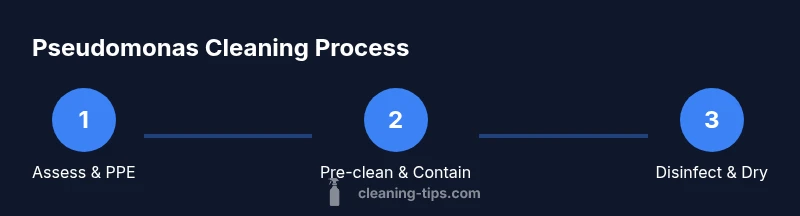
A practical cleaning workflow centers on limiting moisture and ensuring complete disinfection without recontamination. Start by preparing a dedicated work area with disposable wipes, a spray bottle or bucket for diluted solutions, and a separate trash bag for waste. Pre-clean any visible soil or residue to improve disinfectant contact. Apply the disinfectant evenly to non-porous surfaces and allow the label-required contact time. If required by the product, rinse the surface with clean water after disinfection, then dry thoroughly. Use new wipes or clean cloths for each surface to prevent cross-contamination. Finally, seal and dispose of contaminated materials safely, and clean tools and PPE before storing.
Maintain awareness of moisture levels—pseudomonas loves humidity. After cleaning, ensure that items are fully dry before reuse, and avoid storing cleaning tools where they can become damp or contaminated again. If an item is machine-washed, choose an appropriate setting and allow surfaces to air-dry completely before reuse.
Common mistakes and how to avoid them
Common mistakes include skipping the pre-clean step, using disinfectants that aren’t registered for pseudomonas, ignoring the labeled contact time, and failing to ventilate the space. Avoid recontaminating surfaces by using separate rags for different areas and ensuring used wipes are discarded immediately. Don’t mix cleaners unless the label permits it, and never substitute a product with unknown efficacy. Another pitfall is treating porous items as if they’re easily cleaned when evidence suggests disposal is wiser. Finally, neglecting hand hygiene after cleaning can undo the benefits of disinfection. Follow label instructions, ensure good airflow, and maintain a clean workflow to minimize risk.
Case examples, checklists, and maintenance
Case 1: Cleaning a damp sponge from the sink area — isolate, discard if heavily soiled with biofilm, and sanitize or replace. Case 2: Cleaning bathroom grout in a humid shower — pre-clean, use a disinfectant with proven efficacy, allow adequate contact time, rinse, and dry. Case 3: Reusable cloth towels in the laundry room — consider replacing with disposable towels or running a hot wash cycle with a suitable detergent.
Household checklists: (1) PPE: gloves, eye protection, mask. (2) Disinfectant: EPA-registered and surface-compatible. (3) Tools: dedicated cloths, a scrub brush, separate waste bag. (4) Post-clean: ventilate, wash hands, and store PPE separately. Ongoing prevention tips: reduce moisture buildup by improving ventilation, fix leaks promptly, and replace heavily used cleaning tools on a regular basis.
Authoritative sources and further learning
For authoritative guidance, consult government and major publications. The CDC outlines general infection prevention and surface cleaning practices for household environments. The EPA provides disinfectant criteria and List N guidelines for products effective against pseudomonas aeruginosa. Mayo Clinic and other major health resources offer practical cleaning advice for home environments. Always cross-check product labels and follow local health recommendations for your specific situation.
Key resources:
- https://www.cdc.gov/
- https://www.epa.gov/
- https://www.mayoclinic.org/
Tools & Materials
- Nitrile gloves(Powder-free, size appropriate to fit hands snugly)
- Safety goggles or face shield(Protect eyes from splashes during disinfection)
- Face mask or respirator(PPE to prevent inhalation of aerosols or splashes)
- EPA-registered disinfectant effective against pseudomonas(Check label for Pseudomonas or List N claims; follow contact time)
- Non-porous disposable cleaning wipes or cloths(Use once; discard after use on contaminated items)
- Strong trash bags(Leak-proof bags for contaminated waste; seal before disposal)
- Spray bottle or bucket for solutions(Label-appropriate container for disinfectant application)
- Soft-bristle scrub brush(For stubborn grime on non-porous surfaces)
- Separate cleaning cloths for different areas (optional)(Prevent cross-contamination if you must reuse towels)
Steps
Estimated time: 45-60 minutes
- 1
Put on PPE and prep area
Put on nitrile gloves, eye protection, and a mask. Set up a dedicated cleaning zone with a trash bag, wipes, and a spray bottle or bucket. Ventilate the space if possible.
Tip: Double-check that PPE fits securely and there are no gaps. - 2
Contain and isolate the contaminated item
Move the item away from other surfaces and containers. If possible, seal it in a labeled plastic bag to prevent spreading during transport to your cleaning area.
Tip: Limit handling to reduce exposure risk. - 3
Pre-clean to remove visible soil
Wipe down with disposable wipes or cloths to remove loose soil and biofilm. This step improves disinfectant efficacy by exposing clean surfaces.
Tip: Use a fresh wipe for each surface to avoid spreading contaminants. - 4
Apply disinfectant and maintain contact time
Apply the EPA-registered disinfectant evenly, ensuring all surfaces are wetted. Maintain the label’s recommended contact time without wiping off early.
Tip: Do not rush; timing is critical for effectiveness. - 5
Rinse and/or dry as required
Rinse surfaces if the product label instructs, then dry thoroughly with a clean towel. Porous items may require disposal rather than rinsing.
Tip: Drying helps prevent re-growth of bacteria. - 6
Dispose of waste and clean tools
Seal contaminated wipes and disposable items in a trash bag. Clean reusable tools with disinfectant or replace them if heavily soiled.
Tip: Clean PPE and store separately from clean supplies.
Questions & Answers
Is pseudomonas dangerous in home cleaning?
Pseudomonas can cause infections in vulnerable individuals, but healthy people typically experience minor symptoms from exposure. In home cleaning, the goal is to minimize moisture and ensure proper disinfection to reduce risk. Always follow label directions and use appropriate PPE.
Pseudomonas can be risky for vulnerable individuals, so clean carefully and follow disinfectant labels.
Can I use any bleach or disinfectant to clean contaminated items?
Only use disinfectants that are labeled as effective against pseudomonas aeruginosa and compatible with the surface. Follow the product’s contact time and safety instructions. Do not mix cleaners.
Use products labeled for pseudomonas and follow the label, never mix cleaners.
Should I discard porous items when contaminated?
Yes, if a porous item cannot be cleaned thoroughly or retains moisture, disposal is usually safer to prevent recontamination.
If it can’t be cleaned well, it’s safer to discard the porous item.
What if a contaminated item is tricky to clean or you’re unsure about the surface?
Consult the product label and consider professional guidance if you’re unsure. When in doubt, discard or isolate the item to reduce exposure.
If unsure, follow the label and consider discarding the item to stay safe.
Are natural cleaners effective against pseudomonas?
Natural cleaners may reduce surface grime but often do not meet disinfection standards required to kill pseudomonas; rely on EPA-registered products for disinfection.
Natural cleaners alone aren’t reliable for disinfection against pseudomonas; use registered products.
Do I need to wear a mask during cleaning?
A mask is recommended if splashes or aerosols are possible, especially when cleaning humid areas or using misting devices.
Wear a mask if splashes are possible to protect your airways.
Watch Video
The Essentials
- Isolate suspected items immediately
- Use EPA-registered disinfectants with proper contact time
- Follow label directions and ventilation guidelines
- Dispose of contaminated porous items when cleaning is uncertain
- Practice hand hygiene after cleaning