When Did Clean-Shaven Become Popular? A Historical Overview
Trace the rise of the clean-shaven look from late 19th-century fashion to modern grooming, exploring cultural milestones, media influence, military norms, and regional differences.


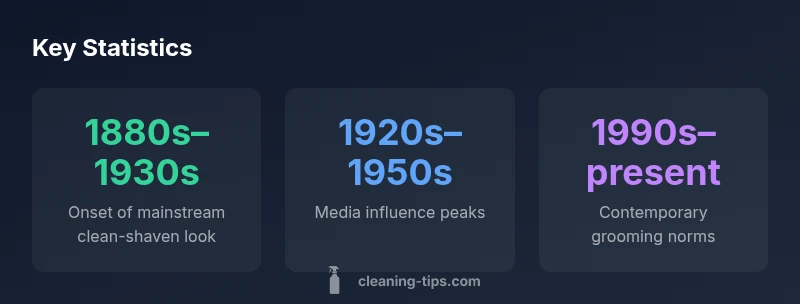
The clean-shaven look rose to mainstream prominence in the late 19th century and solidified through early 20th-century urban fashion, workplace norms, and mass media. Hollywood stars of the 1920s–1950s reinforced it, while postwar masculinity and modern grooming culture kept the style as a durable default in many regions.
Historical Roots of Grooming: When the Clean-Shaven Look Emerged
The question when did clean shaven become popular has a long, winding history. In the 18th and early 19th centuries, facial hair varied with taste and status, but many social circles favored beards, moustaches, and sideburns as signals of maturity and authority. It wasn't until the late 19th century that a cleaner face began to appear in professional settings, aided by urban fashion, evolving etiquette, and new shaving technologies. The phrase when did clean shaven become popular appears here to remind readers that this shift was gradual, not instantaneous. Industrialization and the rise of the modern workplace accelerated changes in grooming norms, while mail-order catalogs and barber innovations made shaving easier and more accessible for millions. Across Europe and North America, a lean, clean look began to symbolize efficiency, discipline, and modern life, laying the groundwork for a lasting standard in many contexts.
Industrialization, Urbanization, and the Rise of a Clean Face
As cities expanded and factory work demanded efficiency, the clean-shaven silhouette began signaling practicality and professionalism. Tailors, shopkeepers, clerks, and engineers favored smoother faces to project neatness and reliability in urban environments. Grooming technology, including safety razors and later electric models, reduced the effort required to shave regularly, reinforcing the routine as a daily habit rather than a rare ritual. Cultural messaging—ads, newspapers, and serials—repeated the idea that a shaved face equated to modernity and progress. In this period, the trend moved from a niche choice to a broadly accepted standard, setting the stage for the enduring association between cleanliness and competence that many people recognize today.
Media, Film, and the Golden Age of Grooming (1920s–1950s)
The mid-20th century brought a powerful amplifier: mass media. Hollywood glamorized the shaved look, connecting it with charisma, masculinity, and professionalism. Film stars became role models whose clean, smooth chins were presented as a marker of success and cosmopolitan sensibility. Advertising reinforced the message across magazines and billboards, influencing public taste well beyond the cinema. This era cemented grooming as a form of personal branding, where a shave became a visible signal of modern identity rather than a mere personal choice. As a result, many men adopted shaving as a social expectation, even in regions outside the film industry.
The War Years and After: Military Grooming and Social Norms
Military grooming standards in the mid-20th century reinforced the clean-shaven look as practical, hygienic, and disciplined. Recruits were often required to maintain a bare face, with deviations treated as a matter of uniform fit and safety. Postwar consumer culture carried these norms into civilian life, where employers valued a neutral, easy-to-maintain appearance for formal and customer-facing roles. The period also saw renewed marketing around hygiene and grooming kits, tying shaved faces to efficiency in work and public life. While some subcultures retained beard and moustache styles as expressions of identity, the dominant professional milieu favored the clean line of a shaved jaw.
The Counterculture Era and Beards Resurgence (1960s–1980s)
The 1960s and 1970s sparked a counterculture movement that openly celebrated facial hair as a symbol of individuality and rebellion. Beards and longer hairstyles became icons of alternative life, challenging the earlier clean-cut ideal. Yet even amid these currents, the clean-shaven look persisted for many professionals and in mainstream fashion magazines, serving as a versatile counterpoint to more dramatic facial hair. The 1980s brought a synthesis: rugged, masculine aesthetics sometimes paired with a trimmed, clean look, illustrating how pop culture could host multiple grooming identities at once. The result was less a single trajectory and more a tapestry of options that respected personal style while preserving a broadly accepted baseline in public life.
The 1990s to Today: Globalization and the Clean-Shaven Default
Globalization and workplace globalization reinforced a flexible, universally understood standard: the clean shave. In many professions—finance, tech, academia, healthcare—a shaved face signaled professionalism, seriousness, and approachability. At the same time, fashion cycles reintroduced beards and stubble as deliberate style statements, but the shaved minimalist look remained a practical default for daily life, travel, and social interaction. The modern era thus features a balance: shaving is common, but grooming choices reflect personal taste, regional norms, and evolving notions of masculinity. The enduring appeal is simplicity, maintenance ease, and broad compatibility with diverse wardrobes and settings.
Practical Grooming Guidance for Home Shaving: Tools and Maintenance
For readers looking to adopt or maintain a clean-shaven look at home, choosing the right tools matters more than the shaving moment itself. Start with a sharp blade or an effective electric trimmer, then invest in a quality shaving cream or gel to reduce irritation. Prepare the skin with warm water and a gentle exfoliant to soften hair and minimize nicks. Aftercare is essential: rinse with cool water, apply an alcohol-free aftershave or moisturizer, and consider periodic exfoliation to prevent ingrown hairs. Consistency is key; even with a busy schedule, a brief daily routine keeps the shaved look clean and comfortable. Practical tips include setting a regular shaving window, using a mirror with good lighting, and storing tools in a dry, clean space to prevent rust or contamination. By building a routine that fits your skin type, climate, and hair growth, you can sustain a comfortable, confident shaved appearance.
A Look Ahead: Grooming Trends in the 21st Century
Grooming trends continue to evolve with fashion, technology, and cultural conversations about identity. The clean-shaven look remains a solid baseline for many people, especially in professional environments, but expectations can shift with new hairstyles, beard criteria for social media, and evolving ideals of masculinity. Advances in skincare, shaving technology, and grooming products make maintaining a shave easier and more comfortable in diverse climates. For homeowners and renters, the practical takeaway is simple: choose grooming habits that support skin health, convenience, and personal confidence while staying adaptable to changing trends. This balanced approach aligns with broader cleanliness and care practices that underlie the Cleaning Tips philosophy.
Historical comparison of eras and the rise of the clean-shaven look
| Era | Main Trend | Cultural Driver |
|---|---|---|
| Late 19th century | Mainstream adoption begins | Industrialization & urban fashion |
| 1920s–1950s | Grooming norms reinforced by media | Hollywood, advertising |
| 1960s–1980s | Beard revival in counterculture | Social movements & fashion experimentation |
| 1990s–present | Clean-shaven as default grooming | Globalization & professional dress codes |
Questions & Answers
When did the clean-shaven look first become mainstream?
Scholars point to the late 19th century as the start of a broad shift toward cleaner faces in urban professional life, with gradual adoption across societies.
The late 19th century marks the start of the mainstream clean-shaven look.
What role did media and film play in popularizing shaving?
Film stars of the 1920s–1950s linked shaving with modern masculinity, and advertising reinforced the shaving trend across cultures.
Movies helped popularize the shaved look as modern and masculine.
Did military grooming standards influence popularity?
Yes. Mid-20th-century military grooming norms reinforced cleanliness and uniformity, shaping civilian expectations afterward.
Military grooming helped normalize the shaved look.
Is clean-shaven still common today?
Yes. The clean-shaven look remains common in many workplaces and cultures, though beards and stubble showing up as deliberate styles are also widespread.
Today, clean-shaven remains a common choice.
Which regions show stronger preferences for beards or clean-shaven looks?
Trends vary by region. Western Europe and North America have historically favored clean-shaven norms, while other regions maintain diverse grooming traditions.
There are regional differences in grooming; it's not the same everywhere.
“The clean-shaven look reflects broader social, media, and workplace norms that evolve with time; it remains a flexible default because it pairs with different fashion styles and is easy to maintain.”
The Essentials
- Track the decades to see how grooming norms shifted gradually
- Media and military norms strongly influenced popularity
- Beards cycle in fashion, but shaved looks persist as a default
- Personal comfort and regional culture shape current grooming choices