Where to Remove Ingrown Hair: Safe, Practical Guide
Learn where to remove ingrown hair safely with at-home methods, step-by-step tips, and when to seek medical care. Cleaning Tips provides practical guidance for healthy skin and irritation-free removal.


Learn safe at-home steps to address an ingrown hair and prevent recurrence. Start with a warm compress and clean hands, then use a sterile tool to gently free the hair. Avoid squeezing, picking, or harsh chemicals, and apply antiseptic afterward. Seek medical care if you notice spreading redness, pus,‑or fever.
Where to Remove Ingrown Hair Safely
According to Cleaning Tips, approaching an ingrown hair with patience and hygiene reduces irritation and the risk of infection. This guide explains where to remove ingrown hair on common areas, how to prepare the skin, and the minimal-at-home methods that minimize trauma. The key is access, lighting, and using clean tools to avoid introducing bacteria. The phrase where to remove ingrown hair is not a magical shortcut—it’s about choosing accessible skin areas and staying gentle while you work.
Common Causes and Risk Factors
Ingrown hairs occur when a shaved or waxed hair grows back into the skin, causing a raised bump and possible inflammation. Tight clothing, friction from sports or leggings, and shaving against the grain increase the likelihood of ingrown hairs. Recurrent irritation often indicates hair follicles becoming clogged or scarred. Understanding these factors helps you tailor prevention strategies and decide when home removal is appropriate or when to seek care.
Tools and Materials You’ll Need
A clean, well-lit workspace makes a big difference in safe removal. Gather a warm compress, sterile tools (such as a single-use sterile needle or a comedone extractor recognized for at-home use), antiseptic wipes or solution, cotton swabs, and a gentle moisturizer. Keep a small trash bag or container for disposable items, and have a barrier cream (like petroleum jelly or a fragrance-free ointment) ready for post-care. Never reuse contaminated tools on multiple lesions.
Skin Preparation and Hygiene
Start by washing the area with mild soap and warm water to remove oils and germs. Wet warmth for 5–10 minutes helps soften skin and bring the hair toward the surface. Dry hands thoroughly and align lighting so you can clearly see the bump. If you have a skin condition, such as eczema or psoriasis, consult a clinician before attempting at-home removal to avoid exacerbating your skin.
Step-by-Step At-Home Removal Overview
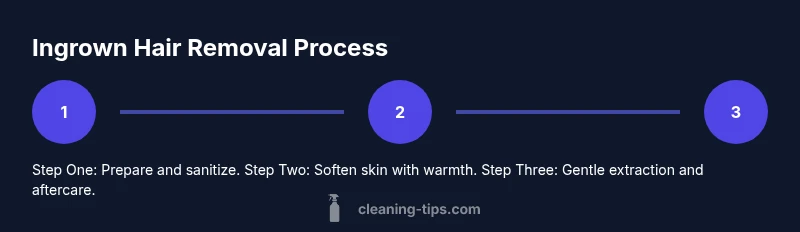
This section provides a high-level sequence you’ll follow before moving to the detailed steps in the STEP-BY-STEP block. Begin with a clean, dry surface, apply heat to soften, then use a sterile tool to gently tease the hair outward. Stop if you feel pain, resistance, or if the hair is deeply embedded or inflamed. Aftercare includes antiseptic application and a light moisturizer to support healing.
Aftercare and Prevention of Recurrence
After removal, apply a mild antiseptic to reduce infection risk, then moisturize with a fragrance-free product. Avoid picking or squeezing future ingrown hairs, and exfoliate gently with a soft washcloth a few times per week to prevent dead skin buildup. Consider adjusting hair removal methods—switch to a different blade type or shaving direction—and wear breathable fabrics to reduce friction.
When to Seek Professional Help
If you notice persistent redness, pus, increasing pain, fever, or if an ingrown hair keeps returning in the same area, consult a clinician. People with diabetes, immune suppression, or poor wound healing should seek professional care sooner, as skin infections can escalate quickly. A professional can safely remove hair and provide guidance for prevention.
Safety Warnings and Common Mistakes to Avoid
Never use a sharp blade, needle, or fingernails to remove ingrown hairs. These actions can cause deeper skin injury, scarring, or infection. Avoid forcing the hair if it is not clearly visible or deeply embedded. If you’re unsure, opt for professional extraction instead of attempting to tear at the skin.
Tools & Materials
- Warm compress or basin(5-10 minutes to soften skin)
- Sterile extractor or sterile needle (single-use)(Used with caution and only if the hair is clearly visible)
- Alcohol wipes or antiseptic solution(For tool sterilization and skin disinfection)
- Cotton swabs(For applying antiseptic and cleaning around the area)
- Fragrance-free moisturizer(Post-care to support healing)
- Soap and warm water(For initial cleaning of the skin)
- Gloves (optional)(Keeps hands clean if you prefer)
Steps
Estimated time: 15-25 minutes
- 1
Prepare and sanitize
Wash hands with soap, wash the area gently, and set up a clean workspace. Sanitize any tool you plan to use with alcohol.
Tip: Nails should be trimmed to reduce risk of scratching the skin. - 2
Soften the skin
Apply a warm compress for 5-10 minutes to soften the skin and bring the hair closer to the surface.
Tip: Use a cloth dampened with warm water and avoid extreme heat. - 3
Sterilize the tool
Wipe the chosen tool with an antiseptic and allow it to dry before use.
Tip: Do not reuse a single tool for multiple lesions unless it’s properly sterilized. - 4
Gently expose the hair
If the hair is visible, use the tool to lift the edge of the bump and gently tease the hair upward toward the skin’s surface.
Tip: If you feel resistance or pain, stop immediately. - 5
Remove the hair (if visible and accessible)
Slide the tool gently under the hair and lift it out, avoiding forceful pulling.
Tip: Do not squeeze the bump or yank the hair; this can worsen inflammation. - 6
Disinfect and moisturize
Wipe the area with antiseptic and apply a light fragrance-free moisturizer or antibiotic ointment as advised by a clinician.
Tip: Observe for signs of infection for 24-48 hours.
Questions & Answers
What is an ingrown hair and why does it form?
An ingrown hair occurs when a hair grows back into the skin, causing a bump and possible inflammation. It can stem from shaving, waxing, or friction.
An ingrown hair happens when hair grows back into the skin, causing a bump and potential irritation.
Is it safe to remove an ingrown hair at home?
At-home removal can be safe if the skin is clean, the hair is visible, and you use sterile tools with gentle technique. If you’re unsure, seek professional help.
Home removal can be safe if done carefully with clean tools; see a clinician if unsure.
What if the area becomes red or pus-filled after removal?
Redness or pus may indicate infection. Clean the area, apply antiseptic, and avoid further irritation. See a clinician if symptoms worsen or persist.
If you notice redness or pus after removal, clean the area and consult a clinician if it doesn’t improve.
How can I prevent ingrown hairs in the future?
Exfoliate gently, shave with the grain, use a sharp blade, moisturize after shaving, and wear breathable fabrics. Consider alternative hair removal methods if prone to ingrown hairs.
Prevent ingrown hairs by exfoliating, shaving with the grain, and keeping skin moisturized.
When should I seek medical care for an ingrown hair?
If you have diabetes, immune concerns, a spreading infection, or persistent recurrence, seek medical care. A clinician can safely remove hair and treat infection if needed.
See a clinician if there’s fever, spreading redness, or repeated recurrences.
How long does healing take after removal?
Most minor openings heal within a few days to a week with proper care. Seek medical attention if the area fails to improve or worsens.
Healing usually takes a few days to about a week with proper care.
Watch Video
The Essentials
- Follow a clean, gentle approach to removal
- Do not force or squeeze ingrown hairs
- Monitor for infection signs after removal
- Prevention reduces recurrence
- Consult a clinician if in doubt