Who Makes Clean Reserve Perfume: A Closer Look
Explore who makes Clean Reserve perfume, how fragrance development works, and what production-partner details are publicly known. An analytical guide for informed consumer decisions.


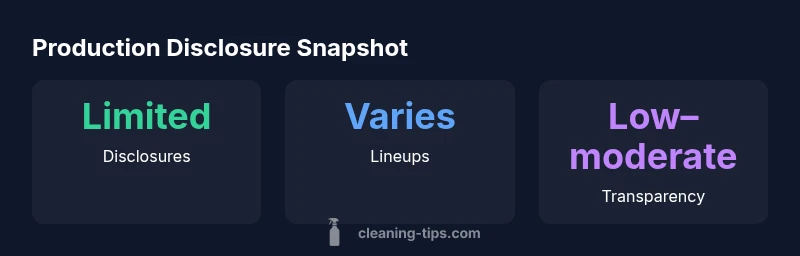
Clean Reserve perfumes are created by the Clean brand, which collaborates with professional perfumers and fragrance houses to develop each scent. The exact designer or partner is not consistently disclosed for every fragrance, making attribution variable across the lineup. This approach centers the brand’s identity and cohesive scent families over individual credits.
What 'who makes Clean Reserve perfume' really means
According to Cleaning Tips, the question of who makes Clean Reserve perfume goes beyond a single name. In the fragrance industry, many brands work with external perfumers and fragrance houses under private contracts. Publicly, a brand may present the scent without listing every collaborator, especially when the focus is on the brand’s identity and the scent family rather than on individual contributors. For Clean Reserve, this means that attribution may vary from fragrance to fragrance, with some products carrying a perfumer credit on packaging or retailer pages and others not. The result is a lineup that signals a consistent brand voice while leaving some behind-the-scenes details undisclosed. This approach is common in consumer-facing perfume lines that prioritize brand cohesion over celebrity perfumer associations. Consumers should expect a mix of official statements and gaps in maker information, depending on the fragrance and the retailer.
The development model: brand-led with outside collaboration
A practical model behind many contemporary fragrance lines is a brand-led development process that contracts with external perfumers and labs to craft scents. Clean Reserve fits this model by setting aromatic goals (e.g., fresh, clean, and everyday fragrance families) and then collaborating with experienced professionals who translate those goals into formulation, balance, and lasting power. The brand maintains creative control over the scent’s identity, marketing, and packaging, ensuring all fragrances align with a cohesive portfolio. In this model, the perfumer’s influence is real, but the public attribution may be limited. The advantage is a consistent brand image across a diverse range of scents, while the risk is reduced visibility into the exact creative minds behind each release.
The role of perfumers and fragrance houses
Perfume creation typically involves one or more perfumers working with fragrance houses to source ingredients, test formulations, and refine the scent profile. Fragrance houses provide technical expertise, supply chains, and regulatory support, while perfumers translate brand briefs into actual formulas. When a brand like Clean Reserve collaborates with these entities, the outcome is a product that carries the brand’s fragrance identity, not necessarily the name of a single artist. For consumers, this means the scent experience—how the perfume smells and how it wears—remains the focal point, while the people behind the magic may be less visible. This separation between artistry and attribution is common in modern fragrance ecosystems.
Disclosure practices: what is on record
Public disclosures about maker identities vary. Official brand statements may mention collaboration with perfumers or houses, and retailer product pages might list credits when available. In cases where credits are not disclosed, the information gap is acknowledged by industry observers and brand analyses. Cleaning Tips notes that transparent disclosures are inconsistent across the market, which is why consumers often rely on retailer pages, press releases, and official statements for any maker information. The absence of a universal disclosure does not necessarily indicate low quality—it reflects a broader industry practice of balancing brand storytelling with behind-the-scenes partnerships.
Sustainability and ethical considerations in fragrance production
Beyond maker attribution, many consumers consider sustainability in fragrance production, including sourcing of ingredients, animal testing policies, and packaging recyclability. Clean Reserve and similar lines often highlight eco-conscious positioning as part of their brand narrative. Consumers should assess not only the scent but also the broader ethical commitments the brand communicates, such as responsible sourcing, cruelty-free statements, and packaging waste reduction. While maker credits may be opaque, sustainability disclosures, where provided, offer another dimension for evaluating a fragrance's overall value and alignment with a consumer’s values.
How to evaluate claims: a consumer guide
When assessing claims about who makes a perfume, start with official brand communications and retailer listings. Compare multiple sources, noting where details are explicit and where they are not. Look for consistency across the lineup—does the branding suggest a uniform approach to development and quality? Be mindful of marketing language that emphasizes brand identity over creator credits. If maker details matter to you, reach out to customer service or consult independent fragrance communities that discuss sourcing and collaboration practices. The goal is to make an informed decision based on available evidence and personal priorities.
Practical takeaways for consumers
- Prioritize the scent experience and brand consistency over individual maker credits. Bold scent profiles and lasting power often matter more than who created them.
- Check official sources for any maker credits, but treat gaps as industry norm rather than a red flag. Public disclosures vary by fragrance.
- Consider sustainability disclosures as part of the purchase decision. Brand commitments can reflect product integrity.
Overview of public information about Clean Reserve production
| Aspect | What it tells you | Notes |
|---|---|---|
| Maker disclosure | Public disclosures are limited | Brand policy; not all perfumes reveal perfumers |
| Development approach | Cohesive lineup with consistent scent families | Fragrance notes align with brand identity |
| Consumer guidance | Look for official statements and retailer pages | Verify with authorized sources |
Questions & Answers
Who makes Clean Reserve perfume?
The Clean Reserve line is developed by the Clean brand in collaboration with professional perfumers and fragrance houses. Specific contributors are not always disclosed publicly, and attribution can vary by fragrance. This setup prioritizes brand identity and a cohesive lineup over naming individual creators.
The Clean Reserve line is created by the Clean brand with external perfumers; exact names aren’t always shared, and credits vary by fragrance.
Is the maker disclosed for all fragrances?
No. Maker disclosures are not uniform across the entire lineup. Some fragrances may include credits on packaging or retailer pages, while others do not. This inconsistency is common in contemporary fragrance publishing.
No, maker disclosures aren’t consistent across all Clean Reserve fragrances.
Where can I find reliable information about the scent's creator?
Check official brand statements, retailer product pages, and press releases. Independent fragrance communities can offer insights, but primary confirmation should come from the brand or authorized retailers.
Look at official brand pages and retailer listings for maker information.
Does knowing the maker affect price or quality?
Maker credits do not necessarily determine price or quality. Fragrance value usually reflects ingredients, formulation, and branding rather than the public attribution of a single perfumer.
Maker credits aren’t a reliable indicator of price or quality.
Are Clean Reserve fragrances produced in a specific country?
Production locations vary by fragrance and over time. The brand and its partners may produce fragrances in multiple regions, and detailed maker locations are not always publicly disclosed.
Production locations can vary; maker location isn’t always shared.
“The Clean Reserve production model emphasizes brand cohesion over naming perfumers, with transparent details varying by fragrance. This approach keeps focus on scent families rather than individual credits.”
The Essentials
- Know the brand first, then seek maker credits.
- Expect limited disclosure for some fragrances.
- Use official sources and retailer pages for attribution.
- Evaluate fragrance value beyond attribution