Clean Area Rug Near Me: Practical Cleaning Guide for Homes
Discover how to find a trustworthy area rug cleaner nearby and clean your rug safely. This guide covers prep, stain treatment, maintenance, and when to hire pros for lasting results.


You're about to learn how to find a trustworthy area rug cleaner near you and perform a safe cleaning routine that protects fibers and color. The guide covers prep, stain handling, and maintenance steps, helping you avoid common mistakes that damage backing or fade prints. We'll also show how to evaluate local cleaners, ask the right questions, and choose options that fit your budget. By the end, you'll have a clear plan to keep your area rug clean and fresh.
Why clean area rug near me matters
A clean area rug near me improves indoor air quality, reduces allergens, and extends the life of fibers. Rugs collect dust, pet dander, and spilled liquids, but regular cleaning helps prevent buildup that can trigger sneezing or asthma symptoms. When you search for a local option, you’re not just removing surface dirt; you’re protecting floors, furniture, and even upholstery that shares the same space. The Cleaning Tips team has found that consistent, fiber-aware care yields longer rug life and better color retention, especially in high-traffic rooms. Start by identifying the rug’s fiber type and any manufacturer care instructions. This step helps you decide whether a light vacuum, a gentle spot clean, or a professional treatment is appropriate. For most homes, a routine that combines regular vacuuming with occasional deep cleaning provides the best balance between results and cost. In short, proximity matters: a clean rug near me is easier to schedule, safer for daily use, and more likely to stay in good condition between cleans.
Rug types and care labels
Rugs come in a range of fibers, from durable synthetics to delicate natural fibers. Common materials include polypropylene, cotton, wool, and jute. The care label on the underside or edge of the rug is your blueprint: it tells you whether hot water, steam, or dry cleaning is recommended, and whether spot treatments are safe. When you’re shopping nearby, prioritize cleaners who recognize fiber differences and who ask for this information before treating stains. Cleaning Tips suggests that matching the method to fiber type reduces color loss and fabric damage. If you’re unsure, start with surface vacuuming and a mild, pH-neutral cleaner and proceed slowly, especially on wool or silk blends.
Pre-clean prep steps
Preparation matters as much as the cleaning itself. Begin by removing furniture from the rug area and sealing off adjacent surfaces to catch accidental splashes. Vacuum thoroughly, first in the direction of the pile, then across it to lift embedded dirt. Test any cleaner on a small, inconspicuous area, wait 24 hours, and check for colorfastness. Read the care label for temperature and moisture limits, and decide whether to use a spot treatment or a full clean. For stains, blot rather than rub to avoid pushing color deeper. If you’re using a cleaning solution, keep the rug area well-ventilated and avoid saturating the backing, which can cause moisture damage over time.
Cleaning methods by fiber
Synthetic rugs (like polypropylene) are generally forgiving and respond well to mild, carpet-safe cleaners. Wool requires gentler handling; use a pH-neutral cleaner, minimal moisture, and a soft brush. Cotton rugs tolerate light washing, but heavy scrubbing can distort fibers. Natural fibers like jute or sisal are especially sensitive to water and are often best dry-cleaned or professionally treated. Always follow the care label and avoid hot water on delicate fibers. If you’re uncertain, treat the rug like a garment: test a small area, dry it completely, then reassess color and texture after a few hours.
How to choose a local cleaner near you
When evaluating cleaners nearby, look for credentials, transparent pricing (no hidden fees), and on-site stain evaluation options. Ask about their process: will they pre-inspect fibers, perform a test clean, or provide a written treatment plan? Inquire about drying times, environmental practices, and whether they use low-VOC products. Cleaning Tips recommends requesting references or online reviews and confirming that the technician is insured. A quick on-site assessment can prevent miscommunication and ensure you understand the expected results before work begins.
DIY spot cleaning tips
Spot cleaning is a practical first line of defense for everyday spills. Blot the area with a clean cloth to absorb moisture; avoid vigorous rubbing. Prepare a mild solution of water with a small amount of gentle detergent or use a vinegar-water mix (1:3) for alkaline stains, then test again on a hidden area. Apply lightly and blot from the outside toward the center to prevent spreading. Rinse with clean water and blot again to remove soap residue. For tough stains, repeat steps gradually and consider professional help if the stain persists.
Maintenance and prevention tips
Regular vacuuming removes surface and embedded dirt that dulls fiber luster. Use a brush attachment or a gentle setting to prevent fiber crushing. Rotate the rug every 6–12 months to ensure even wear, and use a rug pad to reduce slippage and moisture intrusion. Address spills immediately, clean in the direction of the pile, and keep rooms with rugs dry and well-ventilated. A brief monthly check for fraying, loose fibers, or backing wear helps catch problems before they become costly repairs.
When to call a professional
If you notice persistent stains, significant odor, color fading, or a backing separation, professional cleaning is advised. Wool and silk blends, or large, heavily soiled rugs, may require specialty cleaning equipment and drying setups that home methods can’t safely provide. Pro cleaners can perform fiber-specific treatments, color restoration, and odor neutralization that preserves rug lifespan. If you’re unsure about safety or technique, a quick consultation with a nearby professional can save time and protect your investment.
Safety, eco-friendly options, and final notes
Choose cleaners with low-VOC, eco-friendly formulations when possible to minimize indoor air pollution. Avoid bleach, ammonia, or harsh solvents that can damage fibers or discolor dyes. Air out rooms after cleaning and ensure complete dryness to prevent mold growth. Remember, even with DIY methods, prevention—like prompt spill handling and routine vacuuming—goes a long way toward keeping rugs looking fresh and healthy in your home.
Tools & Materials
- Vacuum cleaner(HEPA filter recommended for better particulates capture)
- Soft-bristle brush(Gentle on delicate fibers)
- White cotton cloths(For blotting and test areas)
- Mild, pH-neutral carpet cleaner(Avoid harsh chemicals)
- Spray bottle(Dilute cleaners as directed)
- Bowl of warm water(Rinse small areas)
- Fan or dehumidifier(Speed up drying)
- Gloves(Protect hands)
Steps
Estimated time: 60-90 minutes
- 1
Identify rug type and care label
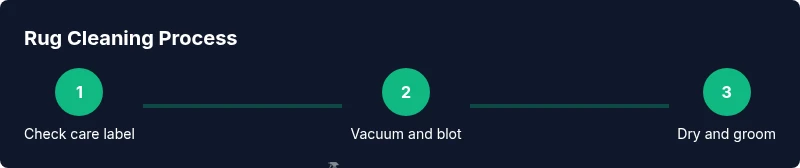
Check the care label to know safe temperatures, moisture limits, and recommended cleaning methods. Note the fiber type and any dye or backing cautions. This informs whether you should use spot cleaning or a full wash, and helps prevent irreversible damage. (Image reference: step-1-diagram)
Tip: Always start with a fiber check before applying any cleaner. - 2
Vacuum the rug thoroughly
Vacuum long- and short-pile areas, first with the grain and then across it to lift embedded dirt. Don’t press hard or rub; let the suction do the work to avoid fiber frizzing. This reduces the amount of grime that can set during cleaning. (Image reference: step-2-vacuum)
Tip: Empty the vacuum bag or canister if you notice reduced suction. - 3
Spot test your cleaner
Apply a small amount of cleaner to a hidden area and wait 24 hours to assess colorfastness and fiber response. If there’s any color transfer or texture change, stop and switch to a milder method. (Image reference: step-3-test)
Tip: Use a white cloth to observe any color transfer. - 4
Treat stains gently
Blot stains with a clean cloth rather than rubbing. Apply cleaner in a light layer and work from the outside in to prevent spreading. For organic stains, avoid harsh solvents that can harm dyes. (Image reference: step-4-stain)
Tip: Patience beats aggressive scrubbing for delicate fabrics. - 5
Clean with appropriate method
Use a light scrubbing motion or a dab-and-blot technique depending on fiber. Avoid soaking the backing; excess moisture can cause stretching or mold. Rinse with clear water to remove soap residue. (Image reference: step-5-clean)
Tip: Limit moisture; aim for damp, not soaked. - 6
Rinse and remove soap residue
Go over the area with a clean, damp cloth to lift any remaining cleaner. Blot again to remove moisture. Ensure all soap is removed to prevent re-soiling. (Image reference: step-6-rinse)
Tip: Two quick blot passes can be more effective than one long one. - 7
Dry the rug completely
Set the rug in a well-ventilated area or use fans/dehumidifiers. Avoid direct heat that may warp fibers. Damp rugs can develop mildew or odors, so this step is critical. (Image reference: step-7-dry)
Tip: Check for lingering damp areas by touching the backing. - 8
Groom and re-vacuum
Once dry, fluff the fibers with a brush and vacuum again to restore pile orientation. This also helps remove any residual dust. (Image reference: step-8-finish)
Tip: Regular light upkeep prevents deep soiling.
Questions & Answers
How can I find a reliable rug cleaner near me?
Ask friends for referrals, read recent reviews, and confirm certifications or insurance before booking. A quick on-site assessment can reveal how they inspect and plan treatments.
Ask trusted neighbors for referrals and check reviews; verify insurance and on-site inspection options before booking.
Is steam cleaning safe on wool area rugs?
Steam cleaning can be risky with wool if not done carefully. Always follow the care label and consult a professional if you’re unsure about moisture levels or heat.
Steam can damage wool if not used carefully. Always follow the rug's care label and consider a pro for wool.
Can I clean an area rug myself at home?
Yes, with proper preparation, fiber-aware methods, and adequate drying. Start with surface vacuuming, spot testing, and gentle cleaning, then monitor for colorfastness.
Yes, you can clean at home if you follow care labels, test first, and dry fully.
How long does a rug take to dry after cleaning?
Drying times vary by rug material and room conditions, but expect many rugs to take 12–24 hours with good air flow. Faster drying reduces the risk of mold.
Drying usually takes 12 to 24 hours, depending on material and airflow.
Should I remove rug pads before cleaning?
Yes, remove rug pads first so cleaners can access the backing and edges, and to prevent moisture traps under the rug.
Remove the rug pad so cleaners can work on the rug and it dries evenly.
How often should I clean an area rug?
Vacuum weekly and perform a deeper clean every 6–12 months, depending on traffic, pets, and spills. Regular maintenance helps extend rug life.
Vacuum weekly and deep-clean every 6 to 12 months if needed.
Watch Video
The Essentials
- Identify rug fibers and care labels before cleaning.
- Use fiber-appropriate methods to prevent damage.
- Spot test and blot—avoid rubbing to minimize color loss.
- Dry completely to prevent mold and odors.
- Consider professional help for wool/silk or severe soiling.