How to Clean Cleaning Slime: Step-by-Step Guide
Learn practical, kid-safe methods to remove slime from carpets, clothing, upholstery, and hard surfaces. This step-by-step guide covers stains, odors, prevention tips, and safe cleaners.


Today you’ll learn how to clean cleaning slime from carpets, clothing, upholstery, and hard surfaces using safe, effective methods. The approach combines immediate blotting, gentle solvent options, and stain-tested steps that won’t damage fabrics. Gather common supplies, act quickly on fresh stains, and follow a simple sequence to restore surfaces without lingering residue.
Why Cleaning Slime Stains Require Quick Action
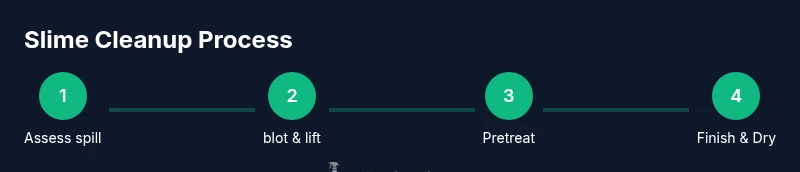
In Cleaning Tips' experience, slime stains respond best when you strike quickly and use gentle, safe cleaners. Slime is a stretchy polymer that can cling to fibers, plastic, and wood if you wait. The key is to act fast: lift excess material, prevent setting, and begin with a mild pre-treatment before deeper cleaning. Understanding surface porosity helps: carpets and fabrics trap slime deeper; hard surfaces require careful blotting to avoid spreading. By following a consistent sequence—assess, blot, pretreat, clean, rinse, and dry—you reduce staining risk and shorten repair time. This approach minimizes lingering odors and preserves fabric integrity. Our guidance aligns with Cleaning Tips analysis and aims to keep your home healthier and stain-free across surfaces.
Materials and Safety Essentials
Before you start, gather the right tools and protect yourself. Use gloves if you have sensitive skin or if you’re applying cleaners with scents. Ensure good ventilation, especially when using liquids with vinegar or cleaning agents. Always patch-test cleaners on an inconspicuous area to confirm colorfastness and fabric safety. A small, hidden spot is your proving ground before tackling larger areas. Keeping the spill contained and working methodically reduces the chance of spreading slime to neighboring areas.
Pre-Treatment: Quick Steps Right After Spills
Time matters. Begin by removing any excess slime with a dull spoon or plastic card—blunt tools lift without forcing slime deeper into fibers. Gently blot the area with a paper towel to absorb moisture; avoid rubbing, which pushes slime further in. If you notice color transfer or dampness spreading, stop and move to a milder approach. Apply a small amount of dish soap mixed with warm water on a soft cloth and blot again, then let it sit for a few minutes to loosen residue. This pre-treatment sets the stage for the main cleaning pass while protecting delicate fabrics and surfaces.
Carpet Cleaning: Slime on Carpets
Carpets pose a challenge because slime can wick into the fibers. Start by scraping off dried slime with a dull edge, then blot with a clean towel to remove as much moisture as possible. Prepare a mild solution: a few drops of dish soap in warm water in a spray bottle. Lightly mist the area and blot, not soak. For stubborn spots, sprinkle a light amount of baking soda and re-blot to lift residue while neutralizing odors. If the stain persists, repeat the pretreatment and cleaning pass, working from the outside in to avoid spreading. Always allow the carpet to air-dry completely to prevent mold.
Clothes and Fabrics: Slime on Textiles
Textiles absorb slime quickly, so treat promptly. Use a clean cloth to blot and lift slime from the surface before washing. Apply a small amount of liquid detergent directly to the stain and work it in with your fingertips or a soft-bristled brush. Rinse with cool water and repeat if needed. Avoid hot water or heat sources until you’re sure the slime is removed, as heat can set the stain. For delicate fabrics, consider a gentle stain-remover formula and a short wash cycle to protect fibers.
Hard Surfaces: Countertops, Tile, and Plastic
Hard surfaces respond well to quick action and a careful cleaning routine. For countertops and tiles, mix a mild dish soap solution and scrub with a non-abrasive sponge. Wipe away slime with a damp microfiber cloth, then rinse with clean water to remove any soapy residue. For plastic items or toys, a soft brush helps dislodge dried slime without scratching. If the surface bears a persistent stain, a small amount of white vinegar applied briefly can help break down slime bonds, followed by thorough rinsing. Avoid using abrasive pads that can scratch finishes.
Odor Control and Drying: Finishing Touches
After stain removal, ensure the area dries completely to prevent odors, mildew, or re-soiling. Use a fan or open windows to speed up evaporation, and pat the area with a clean towel to lift moisture. If any odors linger, sprinkle baking soda on carpeted areas or fabric surfaces, then vacuum or brush off after a few hours. For hard surfaces, wipe with a dry cloth to finish. Reassess the area a day later to ensure no sticky residue remains, as slime can reappear if not fully dried.
Common Mistakes and Troubleshooting
Common errors include using heat on a fresh slime stain, saturating fabric with too much cleaner, or scrubbing aggressively, which can fray fibers. Always patch-test, start with milder solutions, and work in small sections. If slime has deeply penetrated a carpet seam or upholstery handle, consider professional cleaning for a deeper, safer restoration. When in doubt, stop and consult Cleaning Tips guidance to avoid irreversible damage.
Tools & Materials
- Paper towels or clean cloth(For blotting and lifting slime without rubbing)
- Dull spoon or plastic card(To lift solid slime from surfaces)
- Mild dish soap(For pat-test and pretreatment)
- White vinegar(Optional for stubborn stains; test colorfast areas)
- Warm water(Base diluent for cleaning solutions)
- Baking soda(Gentle odor control and gentle abrasiveness for spot treatment)
- Spray bottle(Mix soapy solution and apply evenly)
- Soft-bristled brush or old toothbrush(Gently agitate fibers without damage)
- Gloves(Protect hands if you have sensitive skin)
Steps
Estimated time: 20-40 minutes
- 1
Remove excess slime
Use a dull spoon or plastic card to lift off as much slime as possible without pushing it deeper into the material. This reduces the amount you must clean later and prevents spreading.
Tip: Work from the outer edges toward the center to contain the spill. - 2
Blot the area
Gently blot with paper towels to absorb moisture. Do not rub, as rubbing will embed slime further into fibers and spread the stain.
Tip: Use a fresh towel for each blot to avoid re-depositing slime. - 3
Patch-test cleaners
Before applying cleaners, patch-test on a hidden area to ensure colorfastness and fabric safety. This step helps prevent unexpected damage.
Tip: If color-transfer occurs, stop and switch to a milder method. - 4
Pretreat with mild solution
Apply a small amount of dish soap diluted with warm water to the stain using a soft cloth. Let it sit for 5 minutes to loosen the slime bonds.
Tip: Avoid oversaturating the area to keep cleanup manageable. - 5
Gently scrub and lift
Gently scrub with a soft-bristled brush on fabric and a microfiber cloth on hard surfaces. Rinse by dabbing with a clean, damp cloth to remove loosened slime and soap.
Tip: Use circular motions and small portions to prevent spreading. - 6
Rinse and repeat if needed
Rinse the area with clean water and blot dry. Repeat pretreatment and cleaning steps for stubborn stains until the area looks clean.
Tip: If using vinegar, apply briefly and rinse thoroughly to avoid residue. - 7
Final dry and inspect
Allow the area to air-dry completely, then inspect for any remaining residue. If needed, perform a final light cleaning pass.
Tip: Avoid heat sources until you are certain the stain is gone.
Questions & Answers
Can I use bleach to remove slime stains?
Bleach can damage fibers and alter colors; avoid using it on slime stains, especially on colored fabrics. Stick to milder cleaners or oxygen-based whiteners on white fabrics if safe to test first.
Bleach isn’t recommended for slime stains on most fabrics; use gentler cleaners first.
Is vinegar safe on carpets?
White vinegar can help loosen slime on carpets when diluted, but always patch-test first and rinse well. Avoid prolonged exposure on delicate fibers.
Diluted vinegar can help on carpets; patch-test first and rinse afterward.
What if slime has dried completely?
Dried slime is tougher but still removable. Re-wet the area, reapply your mild cleaner, and repeat the blot, scrub, and rinse cycle until clean.
Dried slime can be removed with patience; re-wet and repeat the cleaning cycle.
Can I use heat to dry or remove slime?
Avoid applying heat while slime is present; heat can set stains. Let the area air-dry after you remove the slime, then recheck.
No heat on slime stains; air-dry and recheck.
Which surfaces are hardest to clean slime from?
Porous fabrics and thick carpets absorb slime more deeply, making removal harder. Delicate upholstery requires gentler methods; otherwise, seek professional help for stubborn cases.
Porous fabrics and thick carpets are tougher; consider professional cleaning for tough cases.
Watch Video
The Essentials
- Act fast to prevent staining.
- Patch-test cleaners before use.
- Use gentle methods on delicate fabrics.
- Rinse and dry completely to avoid odors.