How to clean a coach bag
A practical, material-aware guide to safely cleaning your Coach bag, with leather and fabric methods, interior care, and maintenance tips from Cleaning Tips.


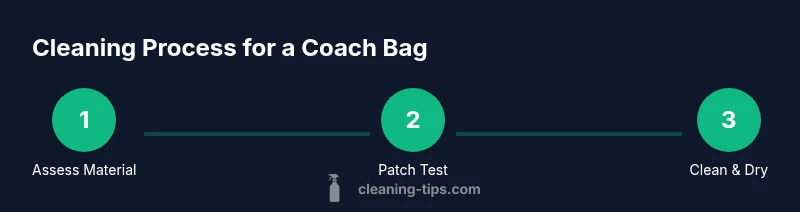
Goal: learn how to clean a coach bag safely. Start with a patch test on an inconspicuous area, then use a mild, pH-neutral solution to wipe surfaces. Clean leather with specialized cleaner or mild soap; fabric or canvas with gentle detergent; avoid soaking. Air-dry away from heat, and condition leather after drying.
What to know before you start: bag materials and care labels
When you tackle cleaning a coach bag, the material and finish drive the approach. Most Coach handbags use leather (pebbled, smooth, or suede variants), coated canvas, or fabric blends; each reacts differently to moisture and cleaners. Start by locating the care label inside the bag, if present, and note any warnings (water exposure, silicone or petroleum-based products). For leather, avoid saturating with water; for canvas or fabric, you can use mild detergents; suede requires extra care (water is generally avoided). As you plan, remember that the goal is to remove dirt while preserving texture and color. According to Cleaning Tips, always assess the risk level of your method before applying it widely, and never apply household cleaners that contain alcohol or bleach directly to the bag. By establishing material-specific expectations, you minimize damage and set yourself up for a successful clean. This article will guide you through material-aware steps, safety checks, and maintenance routines to keep your bag looking its best.
Step 1: Gather the right tools and prep your bag
Before you start, assemble a small cleaning station. A soft microfiber cloth is your primary tool for every surface, paired with a second cloth for drying. A mild, pH-neutral detergent dissolved in water works for most fabrics, while leather-safe cleaners are ideal for leather panels. For tough corners, keep a soft brush or an old toothbrush handy. Prepare a separate area to work so you don’t transfer oils or dyes to other items. Also, lay down a protective mat or towel to catch drips. Finally, empty all pockets, shake out loose debris, and inspect the bag for loose threads or hardware that might snag during cleaning. This preparation prevents frustrating re-dirtying and protects the bag’s shape during cleaning. Having a plan reduces risk and ensures you don’t miss critical spots. The Cleaning Tips team emphasizes starting with a clean slate and a calm workspace to improve results.
Step 2: Patch test on a hidden area
Always patch test your chosen cleaner on a small, inconspicuous spot. For leather, test near a seam or inside flap; for canvas or fabric, test under a pocket lining. Wait 5–10 minutes to see if there is color transfer, fading, or a sticky residue. If there is no adverse effect, proceed with moderate application using a microfiber cloth, applying light pressure in circular motions. If color transfer occurs, stop and switch to a gentler method—such as dry cleaning with a clean eraser or consult a professional. Patch testing protects the bag’s color and texture from irreversible changes. This step aligns with best practices recommended by Cleaning Tips for delicate items.
Step 3: Clean leather surfaces safely
For leather, dampen a microfiber cloth with a tiny amount of leather cleaner or a solution of water and mild soap. Wring well to avoid pooling. Gently wipe in small sections, focusing on dirt-prone areas like the bottom and side panels. Do not scrub aggressively, which can scratch or wear the finish. If the leather has a protective coating, use a cleaner designed for coated leather and follow the product’s directions. After cleaning, wipe away any soap residue with a clean, dry cloth and let the bag air-dry away from direct sunlight or heat sources. Once dry, apply a conditioner suitable for the leather type to restore suppleness and prevent cracking.
Step 4: Clean fabric or coated canvas areas
Fabric and coated canvas can tolerate a mild detergent solution. Mix a small amount of gentle detergent with warm water. Dip a microfiber cloth, wring it, and wipe the fabric surfaces in gentle, circular motions. For stubborn stains, use a soft-bristled brush to lift dirt without saturating the fabric. Rinse the cloth frequently to avoid re-depositing dirt. If the bag has a detachable strap or metal hardware, wipe hardware with a separate damp cloth. Avoid soaking the bag; moisture can seep into seams and cause warping or odor.
Step 5: Clean the interior lining and pockets
Interior fabrics soak up odors and stains more quickly than exteriors. Vacuum the lining with a brush attachment to remove crumbs and loose debris. If you notice odors, sprinkle very light baking soda, let sit 15 minutes, then vacuum again (do not leave baking soda on the lining for long). For stubborn stains, blot with a cloth dampened with the mild detergent solution, then blot dry. If the lining is delicate or features a printed pattern, test on an inconspicuous spot first. Let the interior dry completely before reassembling the bag.
Step 6: Drying, conditioning, and shaping
Drying is critical to prevent mold and odor. After any cleaning, place the bag on a towel in a well-ventilated area away from direct heat. Stuff the bag with tissue or clean, dry towels to maintain shape while it dries. For leather, avoid heat; allow air-drying for 6–12 hours depending on climate. Once dry, apply conditioner to leather surfaces following product directions. Keep zippers and hardware clean with a dry cloth to prevent rust. If the bag has a structured silhouette, consider using a form or stuffing to preserve shape during storage.
Step 7: Storage and routine maintenance tips
Store the bag in a dust bag or pillowcase away from direct sunlight to prevent fading. Rotate cleaning tasks every 3–6 months to maintain look and longevity. Regular wipes with a dry microfiber cloth remove surface dust between deeper cleans. For white or light-colored bags, a light color-safe cleanser is essential to avoid yellowing over time. Keep an eye on hardware for tarnish and treat promptly with a small amount of metal cleaner applied carefully. Finally, consider a professional cleaning for valuable or heavily stained bags.
Step 8: Troubleshooting common issues and quick fixes
If colors appear uneven after cleaning, or if water marks show up on leather, promptly blot with a dry cloth and avoid applying more liquid. Odors that linger after airing can often be reduced with a light baking soda treatment inside the bag, followed by thorough airing. For stubborn ink or dye transfer, use a textile-safe stain remover recommended for handbags and test first. If you’re unsure about a product or the bag’s material, seek professional cleaning guidance to prevent damage. Regular maintenance is your best defense against recurring issues.
Step 9: Quick-care routine to extend life between cleans
Create a mini-ritual: wipe surfaces with a dry microfiber cloth after each use, store in a dust bag, and keep away from direct sunlight. When you notice surface dirt, do a fast wipe-down with a barely damp cloth, then dry immediately. Rotate bags if you own more than one to avoid overusing a single piece, which reduces wear. Finally, consider periodic professional cleaning for luxury or heavily used bags to preserve finish and resale value.
Tools & Materials
- Soft microfiber cloth(Use for all exterior cleaning to avoid scratches)
- Second microfiber cloth(For drying and blotting moisture)
- Mild, pH-neutral detergent(Dissolve in water per label instructions; use sparingly)
- Leather cleaner (optional for leather)(Choose a product designed for leather; test first)
- Soft-bristled brush or old toothbrush(For nap, seams, and textured surfaces)
- Water (distilled if possible)(Avoid hard tap water on leather; use sparingly)
- Dry towel or tissue(Blot moisture and help maintain shape)
- Leather conditioner (after cleaning leather)(Follow product directions; test on a hidden area first)
- Vacuum cleaner with brush attachment (optional)(Gentle suction for interior lining dust)
Steps
Estimated time: 60-90 minutes
- 1
Inspect materials and patch test
Identify the bag’s material and any care labels. Choose a cleaner appropriate for leather, canvas, or fabric. Perform a patch test on an inconspicuous spot and wait for color or texture change before proceeding.
Tip: Patch testing protects color and finish; never skip it on delicate surfaces. - 2
Gather tools and prep area
Assemble your cleaning station and lay down a protective surface. Remove all items from pockets and verify hardware functionality. A tidy workspace prevents cross-contamination of cleaners.
Tip: Have a dry towel ready to blot any spills immediately. - 3
Remove loose dirt and dust
Lightly brush surfaces to remove surface dirt before applying cleaner. This reduces the amount of cleaner needed and minimizes rubbing dirt into fibers.
Tip: Short, gentle strokes work best on textured surfaces. - 4
Clean leather panels
Dampen a cloth with a tiny amount of cleaner or mild soap solution. Wring thoroughly and wipe in small sections, avoiding excess moisture. Dry immediately and condition after drying.
Tip: Never saturate leather; moisture can damage the finish. - 5
Clean fabric or canvas sections
Use a mild detergent solution and a soft cloth to wipe fabric or coated canvas. For stains, a soft brush can lift dirt without soaking. Rinse the cloth frequently to prevent re-depositing dirt.
Tip: Work in sections to maintain even cleaning and avoid water pooling. - 6
Interior cleaning
Vacuum the lining to remove debris. For odors, lightly deodorize with baking soda, then vacuum again after 15 minutes. Treat stains inside with a gentle detergent solution, blot, and air-dry.
Tip: Test any strong cleaners on a hidden area of the lining first. - 7
Drying and conditioning
Air-dry the bag away from heat sources. Stuff the bag with towels to keep its shape. Condition leather after it is completely dry to restore suppleness.
Tip: Avoid direct sun and heat; they can dry out leather and fade colors. - 8
Hardware care and shaping
Wipe zippers and metal parts with a dry cloth to remove residue and prevent rust. Restyle as needed using clean stuffing to maintain structure while drying.
Tip: Lubricate zippers sparingly with a tiny amount of appropriate lubricant if sticky. - 9
Storage and routine upkeep
Store in a dust bag away from sunlight. Schedule a light wipe-down between deep cleans and rotate bags to distribute wear evenly.
Tip: A simple routine extends life and keeps the look fresh.
Questions & Answers
How often should I clean a Coach bag?
Clean based on use and environment; perform a gentle wipe-down regularly and a deeper clean as needed. Avoid harsh cleaners that could damage finishes.
Clean as needed, with regular light wipes and occasional deeper cleans.
Can I use regular soap on leather parts?
Use a leather cleaner or mild soap designed for leather. Avoid standard household dish soap. Patch test before applying to larger areas.
Use leather-safe cleaners and test first.
Is it safe to machine wash a Coach bag?
Most Coach bags should not be machine washed; the agitation and water exposure can deform shapes and finishes. Opt for spot cleaning and air-drying instead.
Don’t machine wash; spot clean and air-dry instead.
What about stubborn stains like ink or oil?
Ink and oil require careful treatment with a textile-safe stain remover and patch-testing on hidden areas. Avoid rubbing aggressively to prevent color loss.
Use a textile-safe stain remover and test first.
How do I dry a bag without damaging it?
Air-dry away from heat or direct sunlight and stuff with towels to maintain shape. Do not use a hair dryer or heater.
Air-dry away from heat; preserve shape with stuffing.
Watch Video
The Essentials
- Test materials first to protect color.
- Use material-appropriate cleaners and minimal moisture.
- Dry thoroughly and condition leather after cleaning.
- Interior care prevents odors and staining.
- Regular maintenance extends bag life.