How to Clean Armpit Stains on White Shirts
Learn proven, practical steps to remove armpit stains from white shirts using safe household methods, plus tips to prevent future staining and keep whites bright.


Learn how to remove armpit stains from white shirts using safe household methods. This guide walks you through a simple sequence of pre treatment, soaking, washing and spot checking to restore whiteness and prevent future staining. It also explains how to test fabrics and choose the right products.
Why White Shirts Show Armpit Stains and How to Approach Cleaning
White shirts reveal armpit stains more clearly than any other garment. Sweat, body oils, and deodorant salts interact with the fibers to form yellowish or gray marks that can sink into the fabric. The Cleaning Tips team notes that the exact composition of the stain depends on your sweat chemistry, the deodorant you use, and the fabric blend. Because different fabrics react differently, your cleaning plan should start with a careful assessment: check the care label, identify the type of stain, and choose methods that are safe for the material. Start by testing a small, inconspicuous patch to ensure colorfastness. When in doubt, opt for gentler approaches and repeat steps rather than applying strong chemicals all at once. According to Cleaning Tips, a clear understanding of stain type helps you select between enzyme based pre treatments, acid based rinses and mechanical action. This foundation reduces the chances of setting the stain further and damaging the fabric. Mastery begins with a calm plan, not a frantic scrub.
What You Need to Get Started
A successful clean starts with preparation. Before you reach for cleaners, take a moment to consider the garment label and stain history. If the fabric is delicate or the shirt is a high end piece, you may want to stick to milder methods and test patches more carefully. In most cases, you should have a few reliable options ready to compare what works best on your particular shirt. A practical approach is to categorize stains by their likely cause and choose a method aligned with that cause. Sweat born stains respond well to pre treatment and enzyme cleaners, while cosmetic based stains may require a different solvent. For beginners, starting with a simple cold water wash after pre treating is often sufficient. Cleaning Tips analysis suggests keeping the solution gentle at first and escalating only if needed, to protect the fibers.
Safe Pre Treatment Options
Pre treatment is the most reliable step in lifting armpit stains before washing. Start with an enzyme based stain remover or a protein specific cleaner and apply it directly to the stain. If you prefer DIY options, a baking soda paste or a dilute white vinegar solution can work well, especially on cotton and cotton blend fabrics. Always test a small patch first. For stubborn stains, a short dwell time of 10 to 15 minutes can help, but avoid letting cleaners dry on the fabric. Rinse lightly with cold water to remove loosened residue and reduce the risk of fiber damage. The goal is to loosen the mineral salts and oils without embedding them deeper. If you are dealing with older stains, multiple pre treatments spaced several hours apart can improve results.
Soaking Techniques That Work on White Fabric
Soaking is a powerful enhancer for stain removal. Use a basin or sink filled with cold or lukewarm water and add your chosen pretreat or a small amount of detergent. For whitened fabrics, introducing a small amount of oxygen based bleach can help brighten the fibers, but only if the garment label allows it. Soak times range from 30 minutes to 2 hours depending on stain severity and fabric tolerance. Check the fabric during the soak and gently agitate a few times to encourage lift without fraying fibers. After soaking, transfer the shirt to a clean rinse and inspect the stain. If any tint remains, you can re pretreat and re soak.
Targeted Stain Removal Methods
There are several reliable methods you can mix and match based on the shirt and stain type. A baking soda paste applied directly to the stain, left for 15 minutes, can lift oils. White vinegar diluted with water makes a mild rinse that helps break down salts. Fresh lemon juice or a squeeze of lemon combined with salt can whiten and refresh whites, but avoid this on fabrics that bleach easily. Hydrogen peroxide diluted to a weak concentration is effective on heavy stains on white fabrics, but spot test first as it can lighten colors. After applying any method, rinse well and proceed to washing. Keep in mind that repeated treatments may be necessary for persistent stains.
Washing and Whitening: Launder for Best Results
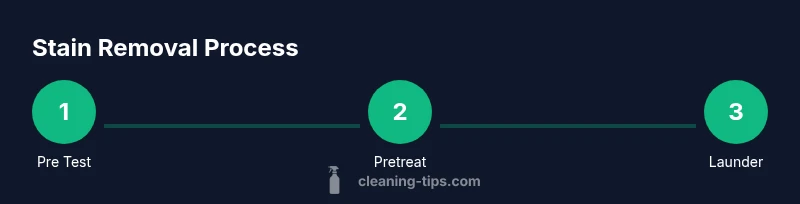
After pretreatment and soaking, launder the shirt using a detergent formulated for whites and an appropriate whitening booster if the fabric allows. Use the warmest water the label permits for cottons and cotton blends, and consider an oxygen based bleach if the garment is safe with it. Do not overload the washing machine so the fibers have room to move. For shirts with delicate fibers or embellishments, run a gentle cycle with a mild detergent. Drying should be air based or low heat to avoid setting any lingering stain. If the stain persists, repeat the wash rather than attempting a hotter cycle that could fix the stain permanently.
Drying and Post Treatment: Avoid Setting Stains
Heat can set stains deep into the fibers. After washing, air dry the shirt or use a low heat setting if necessary. Inspect the stain while the garment is still damp; if you can still see the mark, repeat a pretreatment and wash. This approach reduces the chance of scorching or yellowing over time. Once the stain is fully removed, you can finish with a final wash to remove any leftover residue. With whites, it is especially important to avoid piling on multiple strong chemicals at once; a measured, repeatable approach tends to yield the best results.
Prevention Tips for Future Stains and Odor
Preventive care makes stain removal easier in the future. Consider upgrading to non streak deodorants or applying them after dressing rather than before. Wearing an undershirt can also create a barrier that protects the outer shirt from sweat and oils. Prompt washing after wear helps prevent permanent staining. If you notice persistent odor or oil buildup on armpits, consider routine stain prevention steps like pre treating or washing with an enzyme cleaner. Cleaning Tips notes that establishing a regular care routine keeps whites bright and reduces stress on fabrics.
References and Practical Resources
For additional guidance and evidence based practices, you can refer to university extension resources and consumer safety pages. These sources provide scientifically grounded recommendations for stain removal techniques and safe handling of household cleaners.
- https://extension.illinois.edu
- https://extension.uga.edu
- https://www.cdc.gov/healthyhomes/household_cleaning.html
Tools & Materials
- Cold water(For soaking and rinsing to prevent setting the stain)
- White vinegar (5-8% acidity)(Dilute before use on fabric to avoid damage)
- Baking soda(Make a paste or use in soak solution)
- Lemon juice(Freshly squeezed preferred; test on fabric first)
- Liquid laundry detergent(Attach pre treatment and wash step with regular detergent)
- Enzyme stain remover(Effective on protein based sweat stains)
- Soft bristled brush or old toothbrush(Gently agitate stained areas during pre treatment)
- Measuring spoon(For accurate mixing of solutions)
- Glass basin or sink(For soaking separately from the washing machine)
Steps
Estimated time: 60-90 minutes
- 1
Check care label and patch test
Read the garment care label to confirm safe treatment. Apply a small amount of chosen cleaner on an inconspicuous seam and wait 5 minutes to check for color loss or fabric reactions.
Tip: Test in a hidden area to prevent surprises on the main body of the shirt. - 2
Pre treat the stain
Apply enzyme stain remover or create a paste with baking soda and water directly on the stain. Allow to sit for 10-15 minutes so the cleaner can penetrate the fibers.
Tip: Avoid letting cleaners dry on fabric; dampen if needed to maintain effectiveness. - 3
Soak the shirt
Fill a basin with cold water and add a small amount of the chosen pretreat or detergent. Soak 30-60 minutes, checking halfway to gently loosen the stain with a light swirl.
Tip: Do not use hot water as it can set protein based stains. - 4
Rinse and inspect
Rinse the treated area with cold water and inspect for stain lift. If residue remains, repeat the pretreatment and soak steps before washing.
Tip: If stain remains, moving to another method can prevent fabric damage. - 5
Launder properly
Wash the shirt using a whites friendly detergent and an appropriate whitening booster if allowed by the label. Use warm water suitable for the fabric and avoid overloading the machine.
Tip: Do not mix with other fabrics in the same load to prevent re staining. - 6
Check before drying
Inspect the stain after washing. If any mark remains, repeat the pre treatment and washing cycle before using heat.
Tip: Heat can set the stain permanently, so air or low heat is safer until removal is confirmed.
Questions & Answers
What causes armpit stains on white shirts?
Armpit stains come from a combination of sweat salts, oils and deodorant residues that interact with fabric fibers.
Armpit stains come from sweat oils and deodorant residues that cling to the fabric.
Can I use hot water to remove these stains?
Hot water can set protein based stains, so it is usually better to use cold or warm water depending on the fabric and stain type.
Hot water can set the stain, so use cold or warm water as appropriate.
Is hydrogen peroxide safe for white cotton shirts?
Diluted hydrogen peroxide can be effective on white fabrics but should be tested first and used in moderation to avoid fiber damage.
Diluted hydrogen peroxide can help but test first and use cautiously.
How long should I soak a tough armpit stain?
Soak times range from 30 minutes to 2 hours depending on stain severity and fabric tolerance; adjust as needed.
Soak for 30 minutes to 2 hours, depending on the stain and fabric.
Will lemon juice whiten shirts?
Lemon juice can help whiten fabrics, but it can also lighten colors if used on non white fabrics or if left too long.
Lemon juice can brighten whites but test first and avoid colored fabrics.
What should I do if the stain returns after washing?
Re pre treat and wash again, using a different method if needed. Stubborn stains may require multiple cycles.
If it comes back, re apply a treatment and wash again with care.
Watch Video
The Essentials
- Act quickly to prevent set in stains
- Pre treat and patch test before full application
- Avoid heat until stain is fully removed
- Test cleaners on inconspicuous areas first
- Choose white friendly cleaners and follow fabric care labels