How to Clean Jordans: A Step-by-Step Sneaker Care Guide
Learn proven methods to clean Jordan sneakers safely, protect materials, and keep them looking fresh with a step-by-step guide from Cleaning Tips.


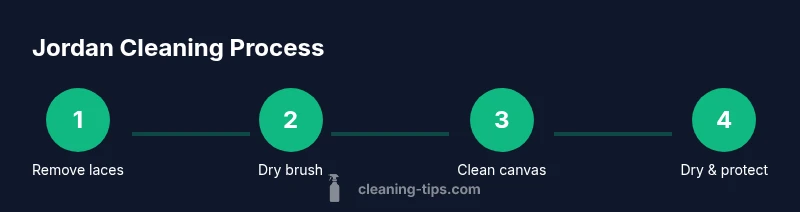
To clean Jordans safely, start by removing laces and loose dirt, then brush surfaces with a soft brush. Use a mild cleaning solution tailored to the material (fabric, leather, or suede), spot-clean stains, and rinse with a damp cloth. Air-dry away from direct heat, and finish with a protective spray for sneakers.
Why Regular Cleaning Extends Jordan Life
Jordans are a mix of textiles and materials, and dirt and grime can degrade color, stitching, and adhesives. The Cleaning Tips team notes that gentle, consistent maintenance slows wear, preserves original shapes, and reduces odor. When you clean early after wear, you remove particulates that can abrade surfaces and set stains. A quick wipe after each outing, followed by a deeper clean every couple of weeks, is a practical rhythm for most Jordan models. For white or light-colored Jordans, stain prevention is especially important, as marks are more visible. By treating surfaces with material-appropriate cleaners and avoiding harsh scrubs, you maintain the sneaker’s structure and appearance over time.
Materials by Jordan Material Type
Jordans come in canvas/fabric, leather, and suede, each needing different care. The Cleaning Tips team recommends choosing a material-appropriate cleaner and a soft brush. For fabric, use a mild detergent and a damp cloth; for leather, a gentle cleaner and cloth; for suede, a dedicated suede brush and minimal moisture. Always test cleaners in a hidden area first and avoid soaking to prevent water stains and color bleed.
General Cleaning Principles for Jordans
A consistent, gentle approach beats harsh scrubbing every time. Work in small circular motions, keep cleaning solutions light, and use a microfiber cloth to lift grime rather than grind it into the material. Patience matters: let cleaners do their work for a few minutes rather than forcing a quick wipe. According to Cleaning Tips, routine care helps maintain color, texture, and fit while reducing odor. End with a light wipe-down to remove any soap residue and let the surface dry naturally.
Cleaning Fabric / Canvas Jordans
Fabric or canvas Jordans respond well to a mild soap solution and light scrubbing. Mix warm water with a small amount of mild detergent, dip a soft-bristled brush, and work in small sections. Rinse the brush and wipe away suds with a damp microfiber cloth. For stubborn stains, apply a bit more soap and gently blot—never saturate the fabric. Test in an inconspicuous area first.
Cleaning Leather Jordans
Leather sections require extra care to avoid water marks and stiffness. Use a gentle cleaner or mild soap diluted in water, applied with a soft cloth. Wipe with a slightly damp cloth to remove soap, then dry with a clean microfiber towel. Do not soak leather; frequent exposure to water can cause cracking. After drying, condition leather with a small amount of a suitable conditioner if desired, but avoid overconditioning.
Cleaning Suede Jordans
Suede demands minimal moisture and careful handling. Use a suede brush to lift surface dirt, and a suede eraser or white pencil eraser for spots. If present, apply moisture very sparingly with a barely damp cloth and blot, not rub. Let suede dry thoroughly away from direct heat or sunlight, and finish with a suede protector spray after completely dry.
Cleaning Insoles and Laces
Remove insoles and laces for separate cleaning. Wash laces by hand in soapy water, rinse, and air-dry. Wipe insoles with a damp cloth or soft brush, then air-dry completely before reinserting. Avoid soaking; moisture can cause odors and mold. This step helps freshen the entire shoe and prevents transfer of dirt back onto the outer materials.
Drying and Storage for Longevity
Let Jordans air-dry in a well-ventilated area away from direct sunlight and heat sources. Stuff the shoes with paper towels or a small cloth to help retain shape and absorb moisture as they dry. Once dry, store in a cool, dry place; consider keeping them in a breathable bag to protect them from dust. Regularly rotate footwear to reduce wear on a single pair.
Common Mistakes to Avoid
Common mistakes include soaking leather or suede, using harsh chemicals, and drying directly in sunlight or near heat sources. Another frequent error is skipping the test patch, which can hide color bleed or material damage. The Cleaning Tips team emphasizes patience: let surfaces dry completely before wearing, and never rush the process. Finally, avoid mixing cleaners; use one material-safe product at a time to avoid residue buildup.
Tools & Materials
- Soft-bristled brush(for removing surface dirt; must be gentle)
- Microfiber cloth(for wiping and drying)
- Mild detergent (sneaker-safe)(dilute in water, fabric-safe)
- Water (distilled preferred)(for dilution and rinsing)
- Suede brush(use only on suede areas)
- Toothbrush (optional)(for tight spots)
- Laces (spare or replacement)(optional)
- Protective sneaker spray(after drying)
Steps
Estimated time: 30-60 minutes
- 1
Remove laces and insoles
Take out laces and insoles to clean them separately and prevent dirt from transferring back onto the upper. This also helps you reach every seam and eyelet for a thorough clean.
Tip: Place laces in a small mesh bag or wash separately to avoid tangling. - 2
Dry brush to remove loose dirt
Use a soft brush to lift dust and dried dirt from the surface before applying any liquid cleaners. This reduces mud smears and protects the material.
Tip: Brush in one direction, not circular motions, to avoid embedding dirt. - 3
Prepare cleaning solution
Mix warm water with a small amount of mild detergent to create a gentle cleaning solution. Keep the mixture light to prevent oversoaking the materials.
Tip: Test the solution on a hidden area first. - 4
Clean canvas/fabric areas
Dip a soft brush into the solution and gently scrub fabric areas in small sections. Wipe away suds with a damp microfiber cloth as you go; avoid saturating the fabric.
Tip: Rinse brush frequently to prevent transferring grit. - 5
Clean leather components
Wipe leather parts with a damp cloth and a tiny amount of cleaner. Do not soak; remove soap with a clean, slightly damp cloth.
Tip: Dry leather thoroughly to prevent water spots. - 6
Clean suede areas
If present, use a suede brush to lift surface dirt. For spots, use a suede eraser very gently and let it dry naturally.
Tip: Avoid getting suede wet; moisture can ruin texture. - 7
Clean insoles and laces
Clean insoles with a damp cloth; air-dry completely. Laces can be washed by hand or in a gentle cycle, then air-dried away from heat.
Tip: Ensure laces are completely dry before re-lacing. - 8
Dry and protect
Let the shoes air-dry fully in a ventilated area, away from direct heat. Apply a material-appropriate protective spray after drying to resist future stains.
Tip: Do not rush drying with heat; it can warp soles.
Questions & Answers
Can I machine wash Jordans?
Machine washing is generally not recommended for Jordans because it can warp the shape, loosen glue, and fade colors. Hand-cleaning with mild solutions is safer and more controllable.
Machine washing is usually not recommended for Jordans; hand-cleaning is safer and more controlled.
Is bleach safe for Jordans?
Bleach can cause discoloration and material damage. Avoid using bleach on Jordans; stick to mild detergents or sneaker-safe cleaners.
Bleach can damage Jordans; use gentle cleaners instead.
Should I use water on suede Jordans?
Moisture should be minimal on suede. Use a suede brush and eraser for stains, and only very lightly dampen a cloth if necessary. Let suede dry completely away from heat.
Suede is sensitive to water; avoid soaking and dry thoroughly.
How often should I clean Jordans?
Clean Jordans when they look dirty. A quick wipe after wears and a deeper cleaning every few weeks keeps them freshest, depending on use and climate.
Clean when dirty, with regular maintenance to prevent buildup.
Can I wear Jordans after cleaning?
Yes, but only after the shoes are completely dry. Wearing them while damp can cause odor and discomfort.
Wear only after they’re fully dry.
Should I waterproof Jordans after cleaning?
Yes. After drying, apply an appropriate spray to protect against future stains and water damage. Reapply as needed.
Yes, seal them after drying for protection.
Watch Video
The Essentials
- Plan material-specific cleaning steps.
- Test cleaners first in a hidden area.
- Air-dry completely before wearing.
- Use protective spray post-cleaning.
- Regular maintenance saves time and preserves color.