How to Clean Work Boots: A Step-by-Step Guide
Learn how to clean work boots effectively, from leather to rubber, with a practical routine that removes dirt, controls odor, and protects boot longevity. Includes tools, steps, tips, and maintenance for lasting footwear.


Learn exactly how to clean work boots to extend their life, remove dirt and odor, and keep them comfortable for daily wear. This guide covers leather, rubber, and fabric boots, plus laces and insoles. You’ll find material-specific methods, safety tips, and a practical step-by-step routine you can complete in under an hour, with options for quick touch-ups.
Why Cleaning Work Boots Protects Your Investment
If you’re wondering how to clean work boots, you’re protecting a significant investment. Regular cleaning removes dirt that can abrade surfaces, preserves protective coatings, and helps maintain waterproofing. According to Cleaning Tips, consistent care extends boot life and keeps comfort higher by reducing material fatigue. Clean boots resist cracking in leather, stave off odor buildup, and stay more supportive after long shifts. This section lays out the big picture: cleaning isn’t just cosmetic; it preserves function and safety as you go about your workday.
Assessing Material and Cleaning Needs
Work boots come in leather, rubber, and fabric (often with synthetic overlays). Leather boots benefit from gentle cleaners and conditioning to maintain suppleness; rubber or synthetic boots tolerate milder detergents and stiffer scrubbing without harming finishes. Always check the boot label or manufacturer care guidelines, and test cleaners on a hidden area first. Cleaning Tips analysis suggests tailoring your approach to material type reduces risk of color bleeding, cracking, or oversaturation. Have a plan for laces and insoles, which trap grime and odors if neglected.
Lacing, Insoles, and Pre-Clean Prep
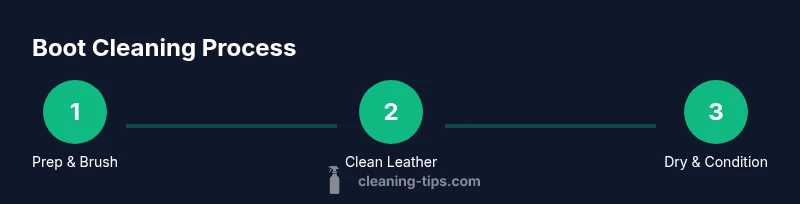
Before you clean, remove laces and insoles to expose all surfaces. Lightly brush or shake out loose dirt to prevent grinding dirt into the material during washing. If you notice odor, sprinkle a small amount of baking soda on the inside and let it sit for a few minutes, then shake out. This prep minimizes transfer of dirt to other areas and makes the main cleaning steps more effective. Remember, doing prep work first saves time and improves results.
Cleaning Methods by Material
Leather boots: Use a mild soap or dedicated leather cleaner with a soft brush. Gently work the solution in circular motions, then wipe with a damp microfiber cloth. Avoid saturating the leather; excess water can cause stiffness or stretching. Follow with a leather conditioner after drying to restore flexibility.
Rubber or synthetic boots: A neutral detergent and a soft brush are usually enough. Rinse with clean water and wipe dry. If scuffs appear, a non-abrasive cleaner or a little baking soda paste can lift marks without harming the surface.
Suede or fabric overlays: Use a dedicated suede cleaner or a fabric-safe cleaner. Lightly brush in one direction to lift dirt, then wipe with a clean cloth. For stubborn stains, consider a specialized suede eraser or fabric stain remover designed for outdoor footwear. Drying should be gradual to prevent warp.
Drying and Conditioning for Longevity
Air-dry boots away from direct heat sources like radiators or sunlight. Stuffing them with paper or a boot tree helps retain shape during drying and speeds up the process. Leather boots benefit from conditioning once fully dry; apply a small amount of conditioner evenly and buff with a clean cloth. Avoid hot air to prevent drying out or cracking. Proper drying and conditioning keep boots supple, extend their lifespan, and reduce risk of odor formation.
Odor Control and Stain Removal Tips
For odor, balance is key: use baking soda or activated charcoal in the toe box overnight, then brush out any residue. For stains, test a cleaner on a hidden area first, and use gentle, circular motions. Odor control and stain removal work best when you clean promptly after exposure to mud, oil, or seawater. Always finish with a thorough drying step and proper storage to maintain freshness.
Maintenance Routine and Schedule
Create a simple weekly maintenance routine: quick brush-off after each shift, light cleaning with mild soap weekly, and leather conditioning every 4–6 weeks if you wear leather boots regularly. For work in wet or muddy environments, increase frequency to prevent buildup and deterioration. Cleaning Tips analysis shows that a consistent cleaning cadence preserves boot materials, minimizes odor, and maintains waterproofing.
Common Mistakes to Avoid
Avoid soaking boots when cleaning; excessive water can damage glue, stitching, and leather. Don’t use harsh household solvents or abrasive tools that can strip finishes. Never dry boots near direct heat, as this can crack or warp materials. Test cleaners in an inconspicuous area first, especially on suede or dyed leather, to prevent color loss. Incorrect drying and conditioning are common culprits behind prematurely worn boots.
Quick-Reference Troubleshooting Chart
- Dirt won’t lift: switch to a softer brush and a gentler cleaner; pause to dry, then repeat with a lighter touch.
- Leather feels dry after cleaning: apply a conditioner and rub in evenly; allow to absorb before use.
- Odor persists: use baking soda inside overnight, then vacuum or shake out; consider odor-neutralizing sprays designed for footwear.
- Water stops beading after cleaning: reapply waterproofing spray appropriate for boot material; allow to dry fully before wearing.
Tools & Materials
- Mild soap or leather cleaner(Gentle formula suitable for your boot material (e.g., leather, synthetic))
- Soft-bristled brush(Avoid stiff brushes that can scratch surfaces)
- Microfiber cloths(For gentle wiping and buffing)
- Water (clean)(Lukewarm is fine; avoid hot water)
- Leather conditioner(Use only on leather boots after drying)
- Shoe trees or newspaper(Maintains shape during drying)
- Waterproofing spray(Choose a product compatible with boot material)
- Baking soda(Odor control; for inside of boots)
Steps
Estimated time: 45-60 minutes
- 1
Remove laces and insoles
Take out laces and insoles to expose every surface. This allows you to clean seams and tongue edges thoroughly without interference. Laces can be washed separately in warm soapy water.
Tip: Wash laces by hand or in a pillowcase in the washing machine on a gentle cycle. - 2
Dry brush to remove loose dirt
Use a dry soft-bristled brush to whisk away dirt, mud, and debris before wet cleaning. This reduces mud splatter and prevents grinding grit into the material.
Tip: Brush with short, even strokes, not circular scrubbing. - 3
Prepare cleaning solution
Mix a small amount of mild soap with lukewarm water in a bowl or sink. For leather, avoid soaking—use a damp cloth to apply solution only where needed.
Tip: Read product labels to ensure compatibility with boot materials. - 4
Clean leather sections with mild soap
Dip a soft cloth or sponge into the solution and wipe leather areas gently. Do not saturate the leather; excess moisture can damage adhesives or cause stiffness.
Tip: Work in small patches and maintain a light touch. - 5
Clean rubber and fabric sections
Use the same soap solution or a neutral detergent on rubber and fabric panels. Scrub gently to remove stains, then wipe away suds with a clean cloth.
Tip: For fabric, avoid soaking; excess moisture can lead to mildew. - 6
Rinse and wipe dry
Wipe all surfaces with a clean, damp cloth to remove soap residue. Then dry with a microfiber towel to prevent water spots. Allow to air dry in a shaded area.
Tip: Keep vents uncovered to speed up the drying process. - 7
Dry and condition leather
After boots are completely dry, apply a small amount of leather conditioner evenly. Buff with a clean cloth until you achieve a soft glow.
Tip: Test conditioner on a hidden area first. - 8
Waterproof and store
If appropriate for the material, apply a waterproofing spray following the product directions. Insert shoe trees or fill with newspaper to maintain shape during storage.
Tip: Store in a cool, dry place away from direct sunlight.
Questions & Answers
What is the best cleaner for leather work boots?
Use a mild soap or a leather-specific cleaner designed for your boot type. Avoid harsh household solvents that can dry or discolor leather. Always test on a hidden area first.
Use a mild cleaner made for leather and test it first on a hidden spot.
Can I put work boots in the washing machine?
Most leather boots should not be machine-washed; it can damage stitching and glue. If the manufacturer allows machine washing, use a gentle cycle with a detergent suitable for the boot material and remove insoles.
Avoid machine washing unless the manufacturer approves it.
Should I dry boots with heat?
No. Direct heat can dry out leather and warp soles. Air-dry in a shaded area and use boot trees to help retain shape.
Air-drying in shade is best for boot longevity.
How often should I clean work boots?
Clean after heavy use or exposure to mud, oil, or salt. Light maintenance can be done weekly, with deeper cleaning monthly for leather boots.
Clean after heavy use; deep-clean leather monthly.
How can I eliminate odors effectively?
Use baking soda or activated charcoal inside the boots overnight, then vent and wipe out. For persistent odors, repeat and consider a boot odor spray designed for footwear.
Baking soda overnight usually does the trick.
Do I need to condition leather every time I clean?
Not every cleaning session is necessary; condition leather after it dries fully or when it starts to feel stiff. Over-conditioning can soften glue joints.
Condition leather after it dries fully, when needed.
Watch Video
The Essentials
- Start with dirt removal to protect surfaces.
- Choose material-specific cleaners and avoid soaking.
- Air-dry completely before conditioning or waterproofing.
- Condition leather and seal with appropriate waterproofing.
- Maintain a simple, repeatable cleaning routine.