Can You Clean Arteries of Plaque? A Practical Guide
Learn why you can't simply clean arteries to remove plaque, and explore medical and lifestyle strategies that reduce risk and slow progression, with an evidence-based approach from Cleaning Tips.


Definition: can you clean arteries of plaque? No home cleaning or dietary swap alone can 'purge' arterial plaque. Plaque is a complex, hardened buildup inside arteries. Effective management focuses on controlling risk factors, medical therapies, and, when needed, procedures under a clinician's supervision. Lifestyle changes slow progression, while medical care aims to stabilize existing plaque and prevent events. Cleaning Tips guides these evidence-based steps.
Can you clean arteries of plaque? A realistic view
Arterial plaque is a hardened buildup inside arteries that forms over many years. It cannot be scrubbed away like grime from a faucet. According to Cleaning Tips, attempting to 'clean' arteries at home is not effective and can be risky. The goal of care is to slow progression, stabilize plaque when possible, and reduce the chances of heart attack or stroke through medically guided strategies.
What arterial plaque is and why it matters
Arterial plaque, or atherosclerotic plaque, consists of cholesterol, calcium, inflammatory cells, and other substances that accumulate on the inner artery walls. As plaque grows, it narrows the vessel, impeding blood flow and increasing the risk of rupture and clot formation. This process is why medical guidance is essential—plaque management focuses on reducing risk factors and preventing acute events, rather than attempting to wash away deposits.
Medical approaches to managing plaque
Healthcare teams prioritize stabilizing plaques and lowering cardiovascular risk. Treatments may include medications to manage cholesterol and blood pressure, along with antiplatelet therapies when indicated. In some cases, procedures such as angioplasty or bypass surgery are considered. These approaches aim to reduce the likelihood of plaque rupture and subsequent heart attack or stroke, not to physically remove every deposit.
Lifestyle changes to reduce risk factors
Daily choices matter. A heart-healthy diet emphasizes vegetables, fruits, whole grains, lean proteins, and healthy fats while limiting saturated fats and added sugars. Regular physical activity, maintaining a healthy weight, avoiding tobacco, and managing stress contribute to safer arteries. Sleep quality and alcohol intake also influence heart health. While lifestyle changes don’t erase plaques, they can slow progression and improve overall vascular function.
What home cleaning methods can and cannot do
Home cleaning practices are helpful for general cleanliness and sometimes for reducing exposure to toxins, but they cannot reverse or remove arterial plaque. Safe steps include maintaining a healthy kitchen and living environment, cooking with heart-healthy ingredients, and avoiding tobacco products. Do not rely on detox diets, cleanses, or supplements marketed as plaque removers. Always follow medical advice for cardiovascular health.
Working with your healthcare team
If you’re concerned about plaque, start with a clinician who can assess risk factors, order appropriate tests, and tailor a plan. Regular follow-ups, medication adherence, and evidence-based lifestyle changes are central. Open communication about symptoms, side effects, and preferences helps create a sustainable, personalized strategy that prioritizes long-term heart health.
Tools & Materials
- Blood pressure monitor(To track BP during lifestyle changes)
- Diet tracking tool or notebook(To record meals and monitor heart-healthy patterns)
- Heart-healthy food staples(Fruits, vegetables, whole grains, legumes, lean proteins)
- Exercise plan (written or app-based)(Structured activity guidance suitable for current fitness)
- Medical consultation schedule(Coordinate care with clinician for tests and therapy planning)
Steps
Estimated time: 4-12 weeks
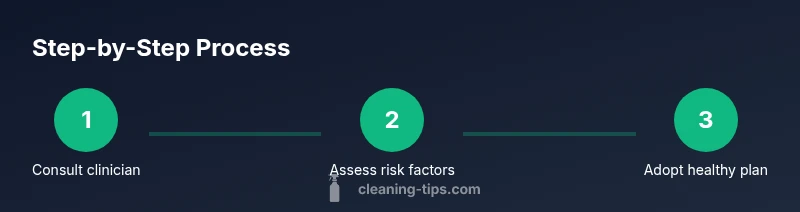
- 1
Consult your clinician
Schedule an appointment to review risk factors, current medications, and tests (lipid panel, blood pressure, blood glucose) to establish a baseline. Ask about imaging or referrals if indicated by your profile.
Tip: Prepare a list of medications, supplements, and family history to discuss with your provider. - 2
Assess risk factors
Identify modifiable and non-modifiable factors such as activity level, diet, smoking status, and obesity. Use a health journal to track changes over time and inform a personalized plan.
Tip: Keep a week-by-week log of meals, activity, and sleep to spot patterns. - 3
Adopt a heart-healthy eating plan
Shift toward vegetables, fruits, whole grains, legumes, lean proteins, and healthy fats. Limit saturated fats, trans fats, and added sugars. Consider a Mediterranean or DASH-style pattern as a framework.
Tip: Plan meals ahead and read nutrition labels to avoid hidden sugars and unhealthy fats. - 4
Increase physical activity
Incorporate regular, moderate-intensity activity such as brisk walking, cycling, or swimming. Start with attainable goals and gradually increase duration and frequency with guidance from your clinician.
Tip: Choose activities you enjoy to improve consistency and adherence. - 5
Manage blood pressure, cholesterol, and diabetes
Follow your treatment plan for blood pressure, lipid control, and glucose management. Medication adherence, dietary changes, and weight management are core components.
Tip: Do not stop medications on your own; discuss any side effects with your clinician. - 6
Schedule regular follow-up
Set up periodic reviews to monitor progress, adjust therapy, and reinforce healthy habits. Early adjustments can prevent progression and reduce risk.
Tip: Document symptoms and any new concerns between visits for timely discussion.
Questions & Answers
Can plaque in arteries be completely removed?
Plaque is unlikely to be completely removed by non-surgical means. Management focuses on stabilization, risk reduction, and preventing events under a clinician's guidance.
Plaque removal is not typically complete; focus on stabilization and reducing risk with medical care.
Is exercise effective for arterial health?
Regular physical activity improves cardiovascular health by promoting healthier blood pressure, lipid levels, and weight. Always check with your clinician before starting a new program.
Exercise helps heart health and can slow risk factors; consult your clinician before starting.
What dietary changes help reduce cardiovascular risk?
A diet rich in vegetables, fruits, whole grains, and lean proteins supports heart health and can reduce risk factors. Limit unhealthy fats and added sugars as part of a balanced plan.
A plant-forward, balanced diet supports heart health and lowers risk factors.
Are statins necessary if plaque is present?
Statins are prescribed based on individual risk and cholesterol levels. They are not automatically required; your clinician will weigh benefits and risks for you.
Statin use depends on your specific risk and labs; discuss with your doctor.
How often should I get medical checkups if I have risk factors?
Your clinician will set a schedule based on your risk factors and current therapy. Regular visits help adjust treatment and reinforce healthy habits.
Expect a tailored checkup plan with your healthcare team.
Watch Video
The Essentials
- Work with clinicians; DIY approaches cannot remove arterial plaque.
- Lifestyle changes slow progression and improve vascular health.
- Medical therapies target risk factors and stabilize plaques.
- Regular follow-up is essential to tailor care.