Clean Air Ducts Near Me: A Practical Step-by-Step Guide
Discover how to find reliable clean air ducts near me services, what to expect, safety tips, and maintenance ideas to improve indoor air quality without overspending.


You're about to learn how to find trusted options for clean air ducts near me and what to expect from a professional cleaning. Start by assessing your indoor air quality, then compare local providers, verify credentials, and prepare your home for service. The method emphasizes safety, non-invasive techniques, and knowing when DIY is appropriate versus expert help.
Why clean air ducts near me matter
Clean air ducts near me are more than a maintenance checkbox; they influence indoor air quality, energy efficiency, and overall comfort. Over time, dust, pollen, pet dander, and mold spores can accumulate inside supply and return ducts, recirculating contaminants every time your HVAC system runs. The result can be stuffy rooms, allergy flare-ups, and uneven temperatures across rooms. According to Cleaning Tips, prioritizing duct cleanliness can lead to noticeable improvements in how air feels and how efficiently your heating and cooling system operates. This section explains why duct cleaning is worth considering, especially in homes with family members who have allergies or asthma. It also covers how to recognize the early signs of buildup, so you can act before problems worsen.
- Visible dust around supply grilles
- Musty or stale air coming from vents
- Unexplained spikes in dust even with regular cleaning
- Higher energy bills without a clear HVAC fault
By knowing these indicators, you can decide if you should pursue professional duct cleaning near you or focus on targeted surface cleaning instead. In the Cleaning Tips analysis, homeowners report more confidence in air quality when they address duct cleanliness as part of a broader indoor air quality strategy.
How to assess if cleaning is needed
Assessing the need for duct cleaning starts with a simple inspection of both the ducts you can see and the performance of your HVAC system. Look for loose, detached, or sagging duct sections, excessive dust near registers, or signs of moisture—these can indicate deeper buildup or potential mold issues. Beyond visuals, consider symptoms in your home: persistent dust in living areas, headaches after you run the HVAC, or allergy symptoms that improve when windows are open or when the system is off. The goal is to determine whether cleaning will meaningfully improve air quality or if more targeted steps (like filter upgrades or moisture control) are sufficient. Cleaning Tips emphasizes a balanced approach: start with a filter upgrade and sealing air leaks before committing to full duct cleaning near me.
- Check for visible debris in accessible sections
- Note any musty smells near returns or supply plenum
- Inspect filter type and condition; upgrade if needed
- Consider moisture control and mold testing if you suspect contamination
Cost factors and time expectations
Costs for cleaning air ducts near me vary based on system size, duct type, access difficulty, and regional labor rates. Expect that larger homes with more extensive ductwork will incur higher costs, while single-zone systems or easily accessible ducts tend to be more affordable. Time estimates follow a similar pattern: a smaller home might require 1–2 hours, while larger or more complex systems can take several hours. To avoid surprises, request an on-site assessment and written quotes that break down labor, materials, and any necessary sealing or sanitization steps. The Cleaning Tips team recommends comparing at least three bids and asking what equipment will be used (e.g., HEPA vacuum, brushes, cable cleaning tools).
DIY vs professional cleaning: making the call
DIY duct cleaning is possible for surface-level dust and straightforward vent cleaning, but deeper cleaning often requires professional equipment and expertise to avoid spreading dust or missing hidden buildup. If you notice mold, pest activity, or consistent moisture in ducts, or if your home has high occupancy with children or pets, it’s wise to hire a professional near me who follows industry best practices. Professionals can perform internal brushing, surface cleaning of registers, and seal leaks to restore airflow. Remember that not all ducts are equally accessible; some may require specialized tools and safety precautions to protect your health and your HVAC system. The right choice balances safety, effectiveness, and cost.
Preparing for a cleaning appointment
Preparation makes the cleaning appointment smoother and more effective. Clear the area around registers and ensure pets and kids are out of the workspace. Gather any known information about your HVAC system (model, age, any recent repairs) and write down questions for the technician. If you have mold concerns, notify the provider in advance so they can plan for containment and appropriate protective measures. Removing obstacles helps technicians reach access points and reduces the risk of accidental damage. The goal is to minimize disruption while maximizing the benefits of cleaning the ducts near me.
What to expect during the cleaning process
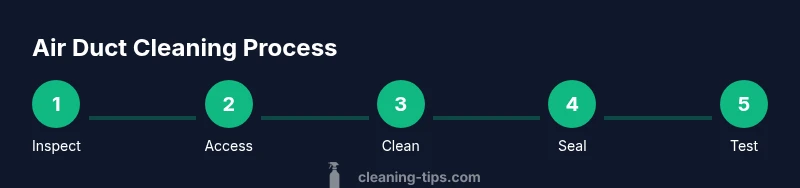
During a professional cleaning, technicians will typically shut down the HVAC system, protect surrounding surfaces with drop cloths, and use HEPA filtration to capture dust as they access ductwork. They may remove access panels, clean the interior of ducts with brushes, and seal off areas to prevent dust spread. You should expect a thorough but non-invasive procedure; most systems do not require major dismantling. After cleaning, technicians will reassemble components, verify airflow, and demonstrate how to operate and maintain your system. If sanitizers or chemical treatments are offered, discuss pros, cons, and any potential sensitivities in your household beforehand.
Post-cleaning maintenance and checks
Maintaining clean air ducts near me is an ongoing process that includes regular filter changes, humidity control, and periodic inspections for leaks or pests. Schedule routine filter upgrades to fit your HVAC usage and indoor air quality needs. Keep an eye on signs of re-contamination, such as sudden dust buildup or musty odors, and address moisture problems promptly to prevent mold. A simple annual or semi-annual check-in with your HVAC professional can extend the life of your system and sustain improvements in air quality. Finally, documenting cleaning dates and any observations helps you track the long-term performance of your ductwork.
How to choose a reputable service near me
Choosing a reputable duct cleaning provider near me starts with verifying licenses, insurance, and certifications. Read recent customer reviews, request references, and confirm that technicians will use EPA-approved methods for mold or sanitization when needed. Ask about equipment, like HEPA-filtered vacuums and brush systems, and confirm that they will seal off work areas to prevent cross-contamination. Get a written estimate that outlines the scope of work, the number of cleanings (including any sanitization), and post-cleaning guarantees. Finally, trust your instincts: a responsive company that answers questions clearly and provides transparent pricing is usually a reliable choice for improving indoor air quality.
Tools & Materials
- HEPA vacuum with hose attachment(HEPA-filtered; at least 6 ft hose for reach into ducts)
- Duct cleaning brushes and rods(Metal or nylon brushes suitable for duct interiors)
- Screwdriver set(Phillips and flat-head; used for removing vent covers)
- Safety gear (goggles, respirator or N95 mask)(Protect eyes and lungs from dust and mold spores)
- Microfiber cloths(For wiping down surfaces and registers)
- Plastic sheeting and tape(Seal off work area to prevent dust leakage)
- Drop cloths or old sheets(Protect floors and furniture from dust)
- Lamp/flashlight(Inspect dark duct sections more easily)
Steps
Estimated time: 60-90 minutes
- 1
Inspect and plan access
Begin with a quick survey of the duct system and identify all accessible ducts and vents. Map out entry points and confirm there are no active leaks or moisture issues. This planning reduces the risk of missed sections and helps you determine whether you should pursue professional cleaning near me or targeted cleaning.
Tip: Document the layout with photos to reference during the cleaning. - 2
Power down and prep the area
Turn off the HVAC equipment and shut off any nearby power to avoid sudden starts during access. Move furniture away from registers and lay down drop cloths to catch dust. This step protects both you and your belongings as dust becomes airborne.
Tip: Notify household members about the service window to minimize interruptions. - 3
Remove vent covers and seal the space
Use the appropriate screwdriver to remove vent covers. Clean the covers separately and wipe the surrounding area. Seal adjacent rooms with plastic sheeting to prevent dust spread and create a controlled cleaning environment.
Tip: Keep screws in a labeled container to avoid losing them. - 4
Vacuum and brush accessible ducts
Use a HEPA vacuum to remove loose dust from registers and accessible duct sections. Gently brush the interior to dislodge deeply seated dust, taking care not to damage flexible ducts or seams. This reduces the amount of dust that will circulate later.
Tip: Work in small sections to prevent overloading the vacuum. - 5
Address the blower and coil areas
If accessible, carefully clean the blower compartment and coil surfaces to remove dust and mold spores. Avoid excessive moisture and follow manufacturer guidance for any cleaners used. Proper cleaning here improves overall system efficiency.
Tip: Avoid touching electrical components directly; use tools rather than hands. - 6
Reassemble and seal all access points
Reattach vent covers and remove plastic sheeting. Check for proper fit and seal any gaps around registers to prevent future dust leakage. A tight seal helps maintain indoor air quality between cleanings near me.
Tip: Test airflow quickly by turning the system back on for a short burst. - 7
Test the system and inspect for issues
Power the HVAC back on and observe airflow from each vent. Listen for unusual noises and look for signs of dislodged ducts. If you notice persistent issues, consider a follow-up evaluation by a professional.
Tip: Take note of any smells or dust surges after the first run. - 8
Document results and schedule maintenance
Record what was cleaned, which sections were addressed, and any recommendations from the technician. Schedule regular filter changes and a follow-up inspection to sustain the benefits of duct cleaning near me.
Tip: Set reminders for filter changes and annual check-ins. - 9
Review safety and post-cleaning steps
Review basic safety reminders with your household—ventilate the home if any odors linger and keep humidity levels in check to reduce future mold risk. Consider adding a simple indoor air quality monitor to track improvements over time.
Tip: Share the results with family members so everyone understands the benefits.
Questions & Answers
Is annual duct cleaning necessary for every home?
Not every home needs annual duct cleaning. It’s typically considered when there is visible mold, pest activity, persistent musty odors, or excessive dust that can’t be resolved with regular filter changes. A professional can assess whether cleaning near me is warranted based on your system and home conditions.
Not every home needs yearly cleaning. A pro can tell you if your ducts need cleaning based on mold, pests, or persistent dust.
Can I safely clean air ducts myself?
You can safely perform surface cleaning and cleaning accessible vent covers, but internal duct cleaning generally requires specialized tools and precautions. If you’re unsure, consult a professional near me to avoid spreading dust or damaging ductwork.
You can clean the surfaces yourself, but interior duct cleaning usually needs a pro.
What are signs that ducts are dirty or contaminated?
Common signs include excessive dust on surfaces, musty odors, visible mold around vents, and reduced airflow. If you notice any of these, especially after moisture or leaks, consider a professional evaluation.
Look for musty smells, extra dust, or reduced airflow; these suggest dirty ducts.
How should I verify a duct cleaning contractor?
Check licenses and insurance, read reviews, ask for references, and confirm the methods and equipment the provider uses. A reputable company will provide a written plan and transparent pricing for clean air ducts near me.
Check license, insurance, references, and equipment; ask for a written plan.
How long does a typical cleaning take?
A standard duct cleaning for a typical home usually takes 1–3 hours, depending on system size and access. Larger homes or complex ductwork can take longer.
Most cleanings take from one to a few hours, depending on the system.
Watch Video
The Essentials
- Identify when cleaning is necessary and why it matters
- Choose a reputable pro and verify credentials
- DIY can address surface dust; professional cleaning handles internal buildup
- Prepare the space to minimize dust spread
- Maintain ducts with regular filters and moisture control