How to Build a Clean Air Force at Home
Learn to build a home clean air force with practical steps to reduce indoor pollutants, optimize filtration, manage humidity, and maintain healthier air in your living space.


Definition: A home-based clean air force is a structured routine for reducing indoor pollutants and maintaining fresh air. You will identify pollutant sources, deploy effective filtration, manage humidity, and adopt simple habits that keep air quality high. This quick guide prepares you to implement those steps in any home. Follow the steps to build a routine you can sustain for the long term.
Understanding the Clean Air Force Concept
According to Cleaning Tips, a clean air force at home is not a single gadget but a layered approach that combines filtration, humidity control, pollutant source management, and daily habits. The goal is healthier air with fewer irritants such as dust, pollen, mold spores, and volatile organic compounds. By treating air quality as a system, you create a resilient routine that adapts to seasons and living situations. You will see smaller changes compound into noticeably fresher air in most rooms, especially bedrooms and living areas. The Cleaning Tips team emphasizes consistency over perfection, and this mindset helps you build a sustainable, long-term clean air routine.
Key concepts to remember include: (1) filtration forms a barrier against particulates, (2) humidity affects mold growth and particle suspension, (3) source control reduces the ongoing load, and (4) routine maintenance sustains performance. As you read, think about how these elements intersect in your home. The goal is not to become a cleaning robot, but to adopt simple, repeatable practices that keep the air clean without overwhelming your schedule.
Tools & Materials
- HEPA air purifier(Choose a model suitable for the largest room you use regularly)
- Replacement HEPA filters(Have spares on hand; check compatibility with purifier model)
- Humidistat or hygrometer(Monitor humidity in key rooms (30-50%))
- Air sealing tools (caulk, weather stripping)(Seal obvious gaps around doors/windows)
- Vacuum with HEPA filter(Regular dust removal without redistributing particles)
- Non-toxic cleaners(Avoid strong VOC-based products)
- Duct tape or sealant for leaks(Optional for quick leaks around vents)
Steps
Estimated time: 2-4 hours
- 1
Identify pollutant sources
Walk through each room and list common particles and odors. Note a few problem areas such as pet zones or kitchens where steam and smells are common. This step helps you prioritize filtration and source control, not overhauling every room at once.
Tip: Take photos of problem spots to reference later. - 2
Choose and place filtration
Select a high-quality HEPA purifier for the room where you sleep and another for the living area. Position units away from walls but not in direct flow with windows that bring in outdoor air. Turn them on and run for a few hours to establish baseline air movement.
Tip: Set a reminder to replace filters before performance declines. - 3
Control humidity and ventilation
Use a humidistat to keep relative humidity in a comfortable range, typically around 40-50%. Use exhaust fans in the kitchen and bathroom or open windows when weather allows. Avoid creating damp, stagnant spaces that promote mold.
Tip: Pair dehumidification with air movement for best results. - 4
Seal leaks and optimize airflow
Inspect doors and windows for drafts. Apply weather-stripping or caulk to reduce outdoor pollutant infiltration and improve purifier efficiency. A tighter home means your filtration does less work to maintain air quality.
Tip: Check behind furniture and under sinks for hidden gaps. - 5
Implement a simple cleaning cadence
Vacuum with a HEPA-equipped cleaner weekly and wipe high-touch surfaces with non-toxic cleaners. This reduces settled dust and reduces re-suspension of particles when you move around.
Tip: Use a microfiber cloth to trap dust rather than just spreading it. - 6
Create a maintenance schedule
Set calendar reminders for filter checks, purifier cleaning, and humidity reviews. Consistency is the key to sustaining air quality improvements over time.
Tip: Assign a single day each month to perform all checks.
Questions & Answers
What is a clean air force?
A practical home routine that reduces indoor pollutants, improves filtration, humidity control, and source management for healthier air. It treats air quality as a system, not a single gadget.
A practical home routine to reduce indoor pollutants and improve overall air quality.
How can I measure indoor air quality?
You can start with simple indicators: humidity levels, presence of dust, odors, and seasonal pollen. A basic hygrometer helps track humidity, while odors and irritation give clues about air quality.
Use a basic hygrometer and observe odors and irritation to gauge air quality.
What filtration should I use for a clean air force?
A good guideline is to use HEPA filtration for main living areas and a purifier with a sealed design to reduce leaks. Replace filters on the purifier manufacturer’s schedule.
HEPA purifiers are effective at trapping fine particles; follow the manufacturer’s replacement schedule.
How often should I replace filters?
Replacement frequency depends on usage, environment, and filter type. Check the purifier's indicator and your local dust levels; replace when performance declines.
Follow the purifier’s indicator and guidelines for replacing filters.
Is DIY cleaning enough if I have pets?
DIY cleaning helps, but pets add dander and fur that require regular vacuuming with a HEPA filter and frequent washing of soft surfaces for best results.
Regular vacuuming with a HEPA filter is essential for homes with pets.
Can I improve air quality without big changes?
Yes. Start with one room, add a purifier, seal obvious leaks, and maintain a simple cleaning cadence. Small, consistent steps add up over time.
Starting small with one purifier and routine cleaning can improve air quality gradually.
What safety considerations exist?
Follow appliance safety guidelines, avoid mixing cleaners, and ensure electrical outlets and cords are in good condition to prevent hazards.
Always follow safety guidelines for appliances and cleaners to prevent hazards.
How long does it take to notice improvements?
Most households notice fresher air within a few weeks of consistent filtration, humidity control, and surface cleaning. The exact timeline varies with home size and occupancy.
You’ll notice fresher air within weeks with consistent steps.
Watch Video
The Essentials
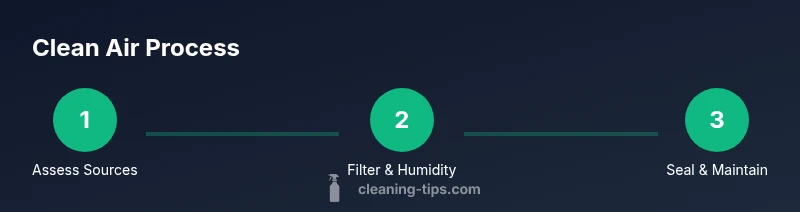
- Assess current pollutants and priorities.
- Deploy effective filtration for key rooms.
- Manage humidity to reduce mold and dust.
- Seal leaks to reduce pollutant ingress.
- Maintain a simple, repeatable schedule.