Clean Air Kits: A Step-by-Step Guide to Healthier Indoor Air
Explore how clean air kits improve indoor air quality with practical setup steps, ongoing maintenance routines, and buyer guidance tailored for homes and rental properties.


Clean air kits boost indoor air quality by filtering pollutants and allergens. This concise guide covers how they work, what to evaluate when buying, and essential maintenance steps. See our detailed steps for installation and care.
Why Clean Air Kits Matter
Indoor air quality (IAQ) affects health, comfort, and energy use for homeowners and renters alike. According to Cleaning Tips, clean air kits are practical tools that help reduce airborne pollutants by combining filtration, purification, and, in some models, controlled ventilation. They are especially beneficial in apartments, rooms with limited HVAC capacity, and spaces with pets, cooking emissions, or wildfire smoke nearby. The kit approach complements existing heating or cooling systems, rather than replacing them.
In this section, we’ll explore the most common IAQ challenges in typical homes, how clean air kits address those challenges, and how to set realistic expectations based on space size, occupancy, and lifestyle. You’ll learn how filtration efficiency, filter life, and air exchange interact to deliver tangible benefits like dust reduction, allergy relief, and a fresher sense of air. The goal is not perfection, but meaningful improvement in daily comfort and long-term health.
How Clean Air Kits Work
Clean air kits typically combine three core ideas: filtration, purification, and sometimes ventilation optimization. The heart is a filter stack—usually a pre-filter to catch large particles, a true HEPA-like filter to trap small particles, and an activated carbon or chemisorption layer to adsorb odors and gases. Some kits add sensors that indicate when filters need replacing, and fans that control airspeed for your room size. Air passes through the intake, through the filtration media, and then back into the room, reducing dust, smoke, pollen, and VOCs over time. The effectiveness depends on proper placement, cadence of filter changes, and maintaining a steady airflow. The Cleaning Tips team notes that even budget setups can yield noticeable improvements when filters are fresh and properly sized for the space. For best results, pair air filtration with good source control—regular cleaning, cooking vent use, and managing moisture.
Key Components to Look For
When evaluating a clean air kit, prioritize these elements:
- Filtration style: HEPA-grade or equivalent for fine particles; activated carbon for odors and gases.
- Filter accessibility: Easy-to-replace filters with clear schedules.
- CADR and room fit: The device size should match the room volume; avoid underpowered units in larger spaces.
- Noise level: Look for low-to-moderate noise for bedrooms and offices.
- Energy use: Check energy consumption and any smart features that help optimize runtime.
- Build quality and safety: Stable chassis, certified electrical safety, and cleanable surfaces.
A compact, well-designed unit can outperform a larger, louder machine if it fits the room and is maintained. The goal is balanced performance and comfort, not the loudest gadget on the market.
How to Choose a Kit for Your Space
Start by measuring the room size in square feet or square meters and note typical occupancy and activities (cooking, smoking, pets). For smaller bedrooms, office nooks, or rental studios, a compact kit with a CADR suited to 100-250 sq ft is often sufficient. For living rooms and open-plan areas, look for higher CADR and a kit that can run continuously with a reasonable energy footprint. Consider the budget ranges: entry-level kits are typically the most affordable but may require more frequent filter changes; mid-range kits balance cost with filter life and features; premium units emphasize quiet operation and smart controls. If you have multiple spaces, you may need more than one kit or a single larger unit designed for multi-room coverage. You should also check for filter availability and replacement costs, warranty terms, and whether the kit can be integrated with existing smart home devices. Real-world testing—like running the kit for a week and noting changes in visible dust or allergy symptoms—can help validate your choice. Cleaning Tips emphasizes choosing a kit that fits your space and your cleaning routine, not just the lowest price.
Installation and Setup
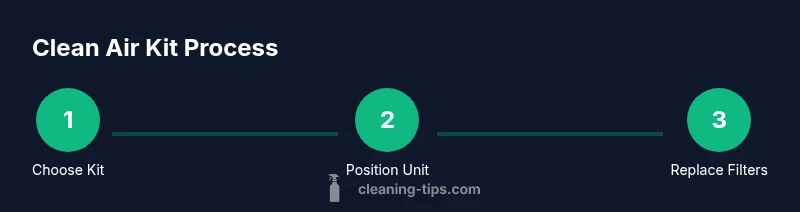
Placing the unit matters more than most people expect. Start by choosing a location that is out of direct drafts, away from walls, and at least a few feet from large furniture to prevent blocked airflow. If possible, position the kit in a central living area or a bedroom where sleeping air quality is a priority. Unpack the filters and install them according to the manufacturer's instructions, ensuring the airflow arrows point in the correct direction. Plug the unit into a stable outlet and, if your model includes Smart features, connect it to your Wi‑Fi and set up schedules or automations. Run the fan on a mid-range setting for 24-48 hours to stabilize airflow and confirm there are no unusual noises. If your kit is designed for universal installation, avoid blocking vents or placing it behind curtains. Finally, document the initial maintenance date and set reminders for filter replacements. The goal is consistent operation with minimal disruption to daily life.
Maintenance and Care
Maintenance determines the long-term effectiveness of clean air kits. Replace filters on schedule, typically every 6-12 months for a standard HEPA filter, and more often if you have pets, smokers, or heavy cooking. Keep the intake grille free of dust by vacuuming or wiping it with a damp cloth every few weeks. Clean or replace the pre-filter if your unit uses one, as this extends the life of the main filter. If your model has a carbon filter, check for odors and replace when you notice a reduced deodorizing effect. For smart kits, ensure firmware updates are enabled so the device can optimize performance and diagnostics. Regularly inspect cords and plug connections for wear, and keep the area around the unit clear of clutter. A simple maintenance log—date, filter type, batch number—helps track performance over time. If you observe persistent symptoms like sneezing, coughing, or headaches despite running the kit, reassess room size, placement, and ventilation practices. A well-maintained kit can provide reliable relief, especially in high-pollen seasons or during wildfire smoke events.
Safety and Common Mistakes
Always follow manufacturer instructions and never modify electrical components. Avoid running units with damaged cords or in contact with water. Keep the device away from moisture sources to preserve filtration media and electronics. Common mistakes include running a too-small kit in a large room, neglecting filter changes, and placing units behind furniture or drapes that obstruct airflow. Do not use the kit as a substitute for proper source control—regular cleaning, cooking exhaust, and moisture management are essential for IAQ. If you are sensitive to odors or have chemical exposure in the home, choose a model with a robust activated carbon stage. When in doubt, consult the user manual or reach out to the manufacturer’s support line. The Cleaning Tips team suggests pairing kit use with good ventilation practices to maximize benefits while keeping energy use reasonable.
Practical Scenarios: Apartments, Homes, and Rentals
- Apartments and small rentals: A compact kit that fits under a desk or on a shelf can substantially improve breathing comfort without dominating the room. Prioritize quiet operation and easy filter replacement to minimize disruptions during tenancy changes.
- Single-family homes: In larger living spaces, consider multi‑room placement or a high-capacity unit for high-traffic areas like living rooms and kitchens. This setup helps manage cooking fumes, pet dander, and seasonal pollen.
- Shared housing: Establish a maintenance routine with roommates or co‑tenants. Choose a model with reliable filters and straightforward scheduling to ensure consistent IAQ improvements across spaces.
No matter the setting, pair the kit with regular cleaning and proper vent use to reduce contaminants at the source.
The Cleaning Tips Perspective: Realistic Expectations
From a homeowner’s point of view, clean air kits are a practical component of IAQ management, not a silver bullet. The Cleaning Tips team emphasizes that results depend on space, occupancy, and lifestyle. In closed rooms with persistent smoke or strong odors, a kit alone may not fully eliminate issues, but it can reduce particle counts and improve comfort. Expect improvements in dust visibility, fewer sneezes during pollen season, and a noticeable fresher feel in the room after a few days of regular use. Combine kit use with daily cleaning routines, kitchen ventilation, and moisture control to maximize benefits. For renters, choose a compact, easily removable unit that does not require structural changes. Cleaning Tips analysis shows that regular filter changes and proper placement are twice as important as device cost for delivering reliable IAQ gains. The long-term payoff is better sleep, fewer allergy symptoms, and a more pleasant living environment. The Cleaning Tips team recommends starting with one kit in the room you spend the most time in and expanding as needed.
Tools & Materials
- Clean air kit (unit with HEPA filter)(Ensure CADR is appropriate for room size)
- Replacement filter packs(Have spare filters on hand)
- Screwdriver (Phillips #2)(For securing mounting or filter panels if needed)
- Measuring tape(To verify room dimensions for placement)
- Dust cloth or microfiber rag(For quick cabinet and grille cleaning)
- Mild cleaning spray(Non-abrasive cleaner for exterior surfaces)
Steps
Estimated time: 60-90 minutes
- 1
Assess space and goals
Measure your room, note activities, and decide whether a single unit or multiple units are needed. Consider factors like pet dander, cooking emissions, and seasonal pollen. This initial assessment guides kit size and placement.
Tip: Write the room dimensions and target areas on a card and refer to it during selection. - 2
Choose the right kit and features
Select a model with appropriate CADR for the space, a suitable filtration stack, and optional smart controls. If you have multiple rooms, decide whether a multi-room system or several smaller units fits your lifestyle and budget.
Tip: Prioritize filter access and replacement cost as long-term considerations. - 3
Position the unit for best airflow
Place the kit away from walls, at least 6 inches from obstructions, and in a central location if possible. Avoid placing it behind curtains or under cabinets that hinder intake or exhaust.
Tip: Test different spots for noise and air movement in the first 24 hours. - 4
Install filters correctly
Open the housing, insert pre-filter, main filter, and any carbon or specialty layers in the correct order. Confirm airflow arrows point toward the room and reseal the housing firmly.
Tip: Keep a small label on the unit noting the last replacement date. - 5
Set up maintenance reminders
Create a simple maintenance calendar or use smart features to remind you when to replace filters and clean grilles. Mark the expected replacement window based on your usage pattern.
Tip: Set a 6- to 12-month reminder depending on room conditions. - 6
Monitor performance and adjust
After installation, monitor dust visibility and any allergy symptoms. Move the unit if needed and adjust runtime based on occupancy and activities. Reassess after 2–4 weeks.
Tip: Keep a brief log of visible changes and air quality impressions.
Questions & Answers
What is a clean air kit and how does it differ from a standalone purifier?
A clean air kit is a collection of filtration, purification, and sometimes ventilation features designed to improve indoor air quality. It may include a unit with multiple filters and sensors, whereas a standalone purifier is a single device. Kits can be modular or integrated with existing systems.
A clean air kit is a set of components to improve indoor air quality, often modular or integrated with your system, not just a single purifier.
Where should I place a clean air kit in my home?
Place the kit in rooms where you spend the most time, with good airflow and away from walls. Avoid corners and blocked vents to ensure steady circulation and effective filtration.
Put the kit in the room you use most, away from walls, so air can circulate freely.
How often should filters be replaced?
Replacement frequency depends on usage, pets, cooking, and the specific filters. As a general guideline, check filters every 3-6 months and replace as recommended by the manufacturer.
Check your filters every few months and replace them when the manufacturer suggests.
Can a clean air kit replace my HVAC system?
No. A clean air kit supports IAQ but does not replace the HVAC system. It works best when used alongside existing ventilation and source-control strategies.
No, it doesn't replace your HVAC, but it helps improve air quality when used with proper ventilation.
Are clean air kits noisy?
Noise levels vary by model. Look for units advertised as Quiet or Low-Noise, especially for bedrooms and offices. If possible, audition the unit before purchase.
Noise levels vary; choose a model marketed as quiet for bedrooms or work spaces.
Watch Video
The Essentials
- Assess space and choose appropriately
- Place units for optimal airflow and minimal disruption
- Replace filters on schedule to maintain performance
- Combine kit use with source control for IAQ gains