How to Clean a Bottle: A Complete Step-by-Step Guide
Learn practical, eco-friendly methods to clean a bottle, remove odors, and prevent mold. Our step-by-step guide covers materials, routines, and best drying practices for safe, everyday bottle cleaning that works across glass, stainless steel, and BPA-free plastic.


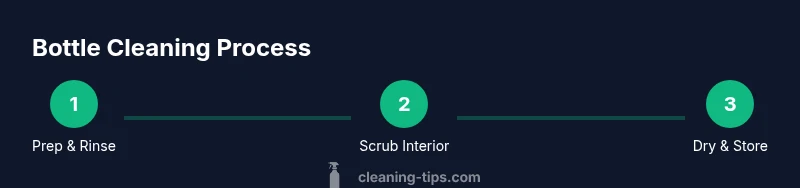
By following this guide, you will learn how to clean a bottle effectively, remove odors, and prevent mold with safe cleaning agents and practical steps. Prepare your bottle, scrub interior with a brush, rinse thoroughly, and dry completely. This approach works for glass, stainless steel, and BPA-free plastic bottles used daily.
Why keeping a bottle clean matters
A clean bottle supports daily hydration with confidence. According to Cleaning Tips, regular bottle cleaning supports better kitchen hygiene and reduces the risk of cross-contamination in shared households. The Cleaning Tips team found that even small amounts of residue can harbor bacteria and odors, especially in bottles used daily for flavored drinks or smoothies. In practice, a simple, consistent routine matters more than fancy tools. By investing a few minutes after each use, you lower the chance of stubborn buildup and keep flavors true. The approach here is practical and gentle: stick to materials-friendly cleaners, rinse thoroughly, and dry completely. This ensures no damp crevices become a mold-friendly environment. The principles apply across bottle types—glass, stainless steel, or BPA-free plastic—because all share the same anatomy: a mouth opening, a body, and a cap or lid that can trap moisture. With the right habits, you can prevent crusty residue, bad smells, and the unpleasant task of deep cleaning later.
Choosing the right bottle and cleaning approach by material
Different bottle materials behave differently when cleaned. Glass bottles are forgiving with hot water and most mild detergents, but you should avoid exposed metal parts that could corrode with acidic cleaners. Stainless steel bottles are sturdy but can patina if you use bleach or chlorine-based agents; choose gentle soap and warm water, and avoid scouring pads that can scratch exterior finishes. Plastic bottles labeled BPA-free vary in how they react to cleaners. For routine cleaning, mild dish soap and a bottle brush suffice. If a bottle has a narrow neck or irregular shape, a flexible bristle brush helps reach the bottom. Also inspect the cap and any seals—brush or wipe them separately to prevent trapped residues.
Everyday cleaning routine for common bottle types
A practical daily clean is quick, simple, and repeatable. Rinse the bottle with warm water immediately after use to loosen sugars and residues. Add a small amount of mild dish soap, scrub the interior with a bottle brush, and reach into the neck and cap area with smaller brushes or cloths. For metal bottles, avoid harsh abrasives that can scratch the finish and compromise insulation. Plastic bottles benefit from shorter scrubs to preserve the integrity of the material. Always disassemble parts like caps, valves, or straw attachments and clean them separately. Finally, rinse thoroughly until no soap bubbles remain and set the pieces on a drying rack with plenty of air flow.
Deep cleaning for odors and stubborn residue
When odors linger or residues stubbornly cling, a deeper clean is needed. Fill the bottle with warm water and add a teaspoon of baking soda, then swirl to coat the interior and let sit for 5-10 minutes. For tougher smells, a gentle vinegar rinse (1:1 with water) can help—rinse well afterward to remove any scent. Avoid using strong solvents on plastic bottles, and never mix bleach with vinegar, which can release harmful gases. If you still notice staining, use a specialized bottle-cleaning tablet as directed by the manufacturer, ensuring all parts are fully rinsed afterward.
Safe disinfection and sanitizing options
Disinfection is optional for everyday use but can be valuable after illness or shared use. A 3% hydrogen peroxide rinse can provide an extra level of sanitation when used sparingly and rinsed thoroughly. For metal bottles, allow a quick hot water rinse combined with a mild soap wash—avoid soaking parts that could loosen seals. If you prefer natural options, white vinegar is a mild sanitizer when used correctly and followed by a thorough rinse. Always air-dry components completely before reassembling to prevent moisture pockets that foster mold.
Drying, storage, and mold prevention
Drying completely is the single most effective defense against mold and mildew. After washing, place all parts on a clean drying rack in a well-ventilated area with the cap removed to promote air circulation. Store bottles with the cap off or loosely attached to prevent trapped moisture. Based on Cleaning Tips analysis, consistent air-drying routines and proper storage dramatically reduce recurring odor issues and simplify maintenance over time.
Tools, accessories, and maintenance
A well-chosen set of tools makes bottle cleaning easier and more effective. Use a long-handled bottle brush for the interior, a narrow brush for caps and seals, and a microfiber cloth for drying exteriors. Keep soap separate from sanitizing solutions, and designate a dedicated clean area to prevent cross-contamination with dirty items. Regularly inspect seals, gaskets, and straws for wear and replace components as needed to maintain a reliable clean bottle.
Common mistakes and troubleshooting
Avoid abrasive pads on plastic bottles and harsh cleaners on any insulated exterior, which can damage coatings. Do not leave water to stagnate inside; always dry after washing. If odors persist after a routine clean, repeat the process with a baking soda soak or a vinegar rinse, ensuring thorough rinsing afterward. The Cleaning Tips team recommends turning a quick weekly clean into a short daily habit to sustain bottle hygiene and flavor integrity.
Tools & Materials
- Bottle brush(Long-handled with curved neck for hard-to-reach areas)
- Mild dish soap(Unscented preferred to avoid masking flavors)
- Warm water(About body temperature, not hot tap water)
- White vinegar(For deodorizing; rinse well after use)
- Baking soda(For soaking and deodorizing; 1-2 tbsp per bottle)
- Hydrogen peroxide (3%)(Optional disinfectant rinse after thorough cleaning)
- Drying rack or clean towel(Air-dry completely to prevent moisture pockets)
- Gloves (optional)(Protect hands when using hot water or disinfectants)
Steps
Estimated time: 20-25 minutes
- 1
Prepare the bottle for cleaning
Remove the cap and any detachable parts; give the bottle a quick rinse to loosen debris. Check the interior with a flashlight or your gaze to identify stubborn residue near the bottom or seams. Wipe the exterior to remove dust before you begin the scrub.
Tip: Working over a sink reduces splatter and keeps your workspace tidy. - 2
Rinse interior with warm water
Rinse the bottle with warm water to loosen trapped sugars and particles. Use the brush to gently reach the base and any corners where residues collect. If the bottle is very dirty, repeat the rinse before applying soap.
Tip: Warm water helps lift oils without damaging most bottle materials. - 3
Scrub interior with soap
Apply a small amount of mild dish soap and scrub vigorously inside the bottle and neck, using the bottle brush to reach stubborn areas. Don’t forget o-rings, caps, and valves—these hidden spots harbor grime if ignored.
Tip: Avoid dish soaps with strong fragrances that can linger. - 4
Deep clean for odors or stains
For odors, soak with a baking soda solution (1-2 tbsp per bottle) for 5-10 minutes, then rinse. For tougher smells, a brief vinegar rinse (equal parts water) can help, followed by a thorough rinse to remove scent.
Tip: Do not mix baking soda and vinegar in a sealed bottle; it will fizz. - 5
Rinse thoroughly
Rinse until all soap or cleaning solution is gone and the water runs clear. Inspect seals and caps for any remaining grime. If residue persists, repeat the cleaning cycle with a gentler approach.
Tip: A thorough rinse prevents soap films that can taste off. - 6
Dry and store properly
Place parts on a drying rack or clean towel where air can circulate. Store with the cap off or loosely attached to prevent moisture buildup. Reassemble only when completely dry.
Tip: Proper drying minimizes mold risk and extends bottle life.
Questions & Answers
Can I use bleach on plastic bottles?
Bleach is generally not recommended for most plastic bottles as it can degrade plastics and leave residues. If you must, use it sparingly and ensure a thorough rinse with clean water before reuse.
Bleach isn’t usually recommended for plastics; use milder cleaners and rinse well.
Is it safe to put bottles in the dishwasher?
Some bottles are dishwasher safe, but always check the label. The heat and detergents can degrade seals or plastic over time. If in doubt, hand wash.
Check the label first; if unsure, hand wash to preserve seals and materials.
How often should I clean a bottle after every use?
Clean after every use to prevent buildup. A quick rinse and soap wash keeps residues from drying and reduces odor formation.
Clean after each use to prevent buildup and odors.
What should I do if mold appears inside the bottle?
If you see mold, scrub thoroughly with soap and hot water, then soak in a baking soda solution or a hydrogen peroxide rinse, and rinse again before drying.
Scrub thoroughly, then treat with baking soda or hydrogen peroxide and rinse well.
Can metal bottles be cleaned with vinegar?
Vinegar is generally safe for metal bottles in small amounts, but avoid prolonged exposure to prevent corrosion. Rinse well after vinegar use.
Vinegar can be used in small doses but rinse well to prevent corrosion.
Will hot water damaged plastic bottles?
Very hot water can warp some plastics; use warm to hot water within the bottle’s tolerance and avoid boiling temperatures for plastic bottles.
Use warm water, not boiling, to protect plastic bottles.
Watch Video
The Essentials
- Choose cleaners matched to bottle material.
- Scrub interior to remove residue after every use.
- Rinse thoroughly and air-dry completely before storage.
- Schedule a weekly deep clean to maintain hygiene.