Can Cleaning in Lubbock: A Practical How-To
Learn a practical, eco-conscious method to clean cans in Lubbock. This step-by-step guide covers safe tools, simple tricks, and recycling tips for homeowners and renters seeking a healthier, cleaner home.


In clean can lubbock, you can clean a can using a simple, safe routine. Gather basic supplies, rinse under warm water, and scrub with dish soap and a soft brush. For stubborn residues, try a vinegar soak or a baking-soda paste. Rinse again, dry thoroughly, and recycle or reuse as appropriate.
Why cleaning cans matters in Lubbock
In many Lubbock households, cans accumulate from grocery runs, DIY projects, and upcycling ideas. A thorough clean reduces grime, prevents rust, and makes cans safer to reuse or recycle. According to Cleaning Tips, adopting a simple,repeatable routine helps homeowners and renters keep containers hygienic without relying on harsh chemicals. This is especially important in dry, porous climates where moisture and dust can cling to metal surfaces. By understanding the local environment in Lubbock, you can tailor your approach to humidity, dust levels, and common household residues, turning a routine chore into a quick, satisfying win.
From food storage to craft projects, clean cans are more versatile than many people realize. A clean container resists odors, contamination, and microbial buildup, making it easier to repurpose for tools, planters, or storage jars. The guiding principle is to remove visible grime first, then address any lingering stains with gentle, eco-friendly solutions. The Cleaning Tips team emphasizes safety and practicality, especially for beginners who want reliable results without expensive cleaners.
Choosing the right cleaning method for different can types
Not all cans respond equally to the same cleaning method. Aluminum cans, steel cans, and paint-coated cans each have nuances. For plain metal cans, a mild dish soap solution and a soft brush work well. If the can is corroded or discolored, a gentle soak in a vinegar solution can loosen grime without damaging the metal. For paint-covered or labeled cans, avoid harsh scrubbing that could remove coatings or labels. In clean can lubbock contexts, starting with the mildest approach and increasing intensity only as needed yields the best results. Always test a small area first to ensure the finish remains intact. While metal cans are durable, repeated aggressive cleaning can wear edges and weaken seams over time, so use restraint and patience.
Safety, ventilation, and environmental considerations
Safety comes first when cleaning cans, especially in smaller kitchens or cramped spaces. Work in a well-ventilated area, wear gloves to protect skin from cleaners, and avoid mixing cleaners. For most home cans, water, mild soap, and a soft brush pose minimal risk. If you use vinegar or baking soda, rinse thoroughly to remove any residues. Rinse water should be disposed of down a drain where allowed, never poured into compost piles or planters where it could alter soil pH. Cleaning Tips analysis shows that eco-friendly methods reduce chemical exposure and keep recycling streams clean, which benefits communities in and around Lubbock. Remember to dry cans completely to slow any rust formation and to reuse or recycle as appropriate.
Preparing your space and tools for the job
Clear the workspace to prevent accidents and spills. Lay down a protective mat or towel, gather your tools, and set a warm, comfortable water temperature. A two-basin approach—one soapy rinse and one clean rinse—helps you manage debris efficiently. Keep a drying rack or cloth ready for air-drying cans after cleaning. Label cans if you plan to reuse them for specific storage needs, which reduces mix-ups and waste. By organizing your space, you reduce cleanup time and keep your kitchen safer and tidier.
Step-by-step overview (for quick reference)
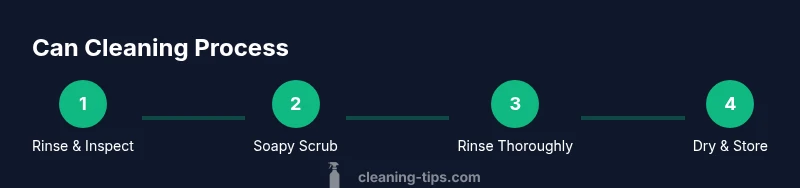
This section provides a concise overview of the cleaning process, from prep to drying. You’ll learn how to handle different can types, what solutions to use, and how to verify that a can is ready for reuse or recycling. The steps presented here align with practical routines that work well for households in Lubbock and similar climates. If you prefer a fully guided routine, see the dedicated Step-by-Step section below for actionable instructions.
Practical tips for buyers and upcyclers in Lubbock
If you frequently handle cans for crafts or storage, choose reusable cleaning tools and keep eco-friendly cleaners on hand. Labeling, drying, and proper storage extend the life of your cans and reduce waste. In warm, dry climates like Lubbock, drying speed matters; use a fan or sun-drying in safe outdoor spaces when possible. Remember, the goal is clean, odor-free containers ready for reuse or recycling.
Common mistakes to avoid and troubleshooting tips
Rushing through the process can leave residue and odors behind. Avoid using abrasive scrubbers on delicate cans and never mix incompatible cleaners. If a can remains sticky after washing, a second pass with a baking soda paste or a longer vinegar soak can help. Ensure thorough rinsing to prevent residue transfer to future contents. Finally, always dry cans completely before storage to prevent rust and bacterial growth.
Tools & Materials
- dish soap(mild, non-antibacterial preferred)
- soft brush(nylon bristles; avoid stiff brushes)
- warm water(not hot, comfortable to touch)
- white vinegar(use for gentle soak)
- baking soda(paste for tough grime)
- two basins or bowls(one for soapy rinse, one for final rinse)
- drying towel or rack(thorough drying to prevent rust)
- gloves(optional for skin protection)
- old toothbrush(useful for crevices)
Steps
Estimated time: 20-40 minutes
- 1
Rinse and inspect
Rinse the can under warm water to remove loose debris. Inspect the surface for stickers, labels, or heavy grime that might require a different approach. This initial check helps tailor the cleaning method and reduces unnecessary scrubbing.
Tip: If the can is very dirty, soak briefly in warm water before scrubbing. - 2
Apply cleaning solution
Create a mild soap solution in one basin. Submerge or dip the can and wipe the interior and exterior with a soft brush. For tougher grime, prepare a vinegar solution or a baking-soda paste and apply to the affected areas.
Tip: Always test a small area first to avoid affecting finishes. - 3
Scrub gently and methodically
Use small, circular motions to scrub the interior and exterior surfaces. Focus on rims, threads, and any crevices around labels. Rinse the brush frequently to remove trapped debris.
Tip: Do not use metal scrubbers on painted or coated cans. - 4
Address stubborn grime
If grime persists, apply a baking-soda paste or let the vinegar solution soak for a few minutes longer. Light brushing after soaking usually lifts stubborn residue.
Tip: Avoid prolonged exposure to acidic solutions on certain coatings. - 5
Rinse thoroughly
Rinse with clean water until all soap or cleaner residues are gone. Use the second basin for a final rinse to prevent cross-contamination with dirty water.
Tip: Inspect for any lingering odors or film before drying. - 6
Dry completely and store
Dry each can with a clean towel or allow air-drying on a rack. Once dry, label if needed and store in a clean, dry area to prevent rust and contamination.
Tip: If you plan to reuse for food, consider a quick sanitize with a mild, food-safe rinse.
Questions & Answers
Can I clean cans with just water and soap?
Yes. For most cans, a mild soap solution and a soft brush are enough to remove dirt and grease. This low-risk method is a good first step before trying stronger cleaners.
Yes, start with soapy water and a soft brush. It works for most cans and avoids harsh chemicals.
Is it safe to reuse cans for food after cleaning?
If you plan to reuse for food, consider a final sanitizing rinse with a food-safe solution and ensure the can is completely dry before storing. Inspect for any pitting or holes that could harbor bacteria.
You can reuse for food if you sanitize after cleaning and dry thoroughly; inspect for damage first.
What should I do with the rinse water?
Discard rinse water down a household drain where local codes permit. Do not pour into compost or planters, as residues can alter soil pH and harm plants.
Pour rinse water down the sink where allowed and avoid composting contaminated water.
Can I speed up drying?
Yes. Use a clean drying rack with good airflow or run a fan over the cans. Wipe with a dry towel and place them in a warm, dry area to finish air drying.
Use a rack and a fan to speed up drying and prevent rust.
What cleaners are safe for painted cans?
Stick to mild soap and water or a very diluted vinegar solution. Avoid abrasive cleaners that can strip paint or labels and damage coatings.
Use mild soap or mild vinegar solution; don’t scrub hard on painted finishes.
Watch Video
The Essentials
- Start with a gentle clean to assess grime
- Eco-friendly options work well for most cans
- Dry cans completely to prevent rust
- Label and store cans after drying